
Hold one steady temperature
The heat pump runs steadily instead of chasing a setback. It pulls heat from cold outside air the way it's built to, without the backup strip kicking in to cover a gap.
 Hand it over
Send the form, and lining up the heat pump tune-up stops being yours to chase.
Keep it set to heat and leave the temperature where you want it. Don't bump a heat pump up and down the way you might a gas furnace. It works best holding steady, and it recovers slowly from a big setback, especially once it's cold out. If you drop it five or ten degrees overnight, you'll feel the gap the next morning while it climbs back, and the backup heat may kick in to help it catch up. That backup heat is electric, and power in Pennsylvania isn't cheap, so the auto-restart habit from a gas furnace works against you here.
Most homes around here heat with gas, so a heat pump is already the exception on your street. That's not a problem, but it means the thermostat habits your neighbors talk about don't apply to your system. Running it steady through a Pennsylvania winter is the setting that keeps the electric strips from carrying more of the load than they need to.
What a thermostat setting can't fix is a system that isn't running right to begin with. A heat pump working through a cold Pennsylvania winter leans on parts a gas furnace never touches, the reversing valve, the outdoor coil, the defrost cycle, and those need to be checked before the deep cold finds whatever's already wearing thin. Maintenance now means not finding out the hard way on a January night.
Finding a contractor who services heat pumps, not just furnaces, usually means calling around, asking who actually works on them, and comparing what each one quotes you. Send the form instead and that search is off your plate. You won't have to explain your system twice or chase down a second opinion. Someone who knows these systems takes it from here.
Leave your heat pump set to heat, pick one temperature, and leave it alone. Pennsylvania winters push a heat pump hard, and a unit that's cycling to catch up after a setback has to pull heat out of cold outside air, which is slower and harder on the system than just holding steady. Below about 35 degrees outside, that recovery gets slower still, and some systems lean on backup electric heat strips to make up the difference. Those strips cost far more to run than the heat pump itself, so a setback that forces them on can cost you more than it saves. Holding one temperature all winter keeps the system working the way it's built to, and keeps you off that backup heat. The setting matters, but a heat pump that's losing efficiency, icing over, or short on refrigerant will struggle to hold any temperature well, no matter where you set it.




A heat pump moves heat from outside air instead of burning fuel to make it, so the colder that air gets, the less heat it holds and the harder the system works to pull enough of it inside. Once the outdoor temperature drops into the 30s or lower, which happens plenty of nights in Pennsylvania, the unit is already running close to its limit just to hold steady. Ask it to also make up five or ten degrees after a setback and it has to lean on backup electric heat to get there, and that backup strip is the most expensive way to heat your house. Holding one temperature keeps the compressor doing the work alone.
A heat pump heats in long, low stretches rather than short blasts, which is why it can feel like it's running all the time even when the house is warm enough. That's normal. A gas furnace heats fast and shuts off, so people used to one expect the same from the other and think something's wrong when the heat pump just keeps going. Long runs at low output are also easier on the compressor than frequent starts and stops. If you notice it running nonstop and the house still isn't warm, that's worth a look, but running steady on its own isn't a sign of trouble.
Fill out one form instead of calling around for a heat pump tune-up.
No charge to send it. You decide if you hire them.
Turn the thermostat down overnight or while you're at work and the heat pump has to claw its way back up once the outdoor air is near freezing. That's when a weak unit falls behind and the backup heat strip kicks in to cover the gap.
Backup heat strips run on straight electric resistance, no heat pump efficiency involved, and power in Pennsylvania isn't cheap. That gap in your bill is the setback catching up to you, not the cold itself.


The heat pump runs steadily instead of chasing a setback. It pulls heat from cold outside air the way it's built to, without the backup strip kicking in to cover a gap.
The house cools, then the heat pump has to recover once outdoor air is near freezing. That recovery is where backup heat strips run longest and the electric bill climbs.
You've probably noticed the air coming out of the vents doesn't feel as warm as a gas furnace's did. That's normal for a heat pump. What's not normal is the unit running almost constantly, outdoor air that feels colder than the thermostat suggests it should, or a hissing, labored sound when it tries to catch up after someone bumped the temperature down. If you're seeing the backup strip kick in more than it used to, or the electric bill creeping up while the house still feels cool, that's a sign the system is falling behind, not just working hard.
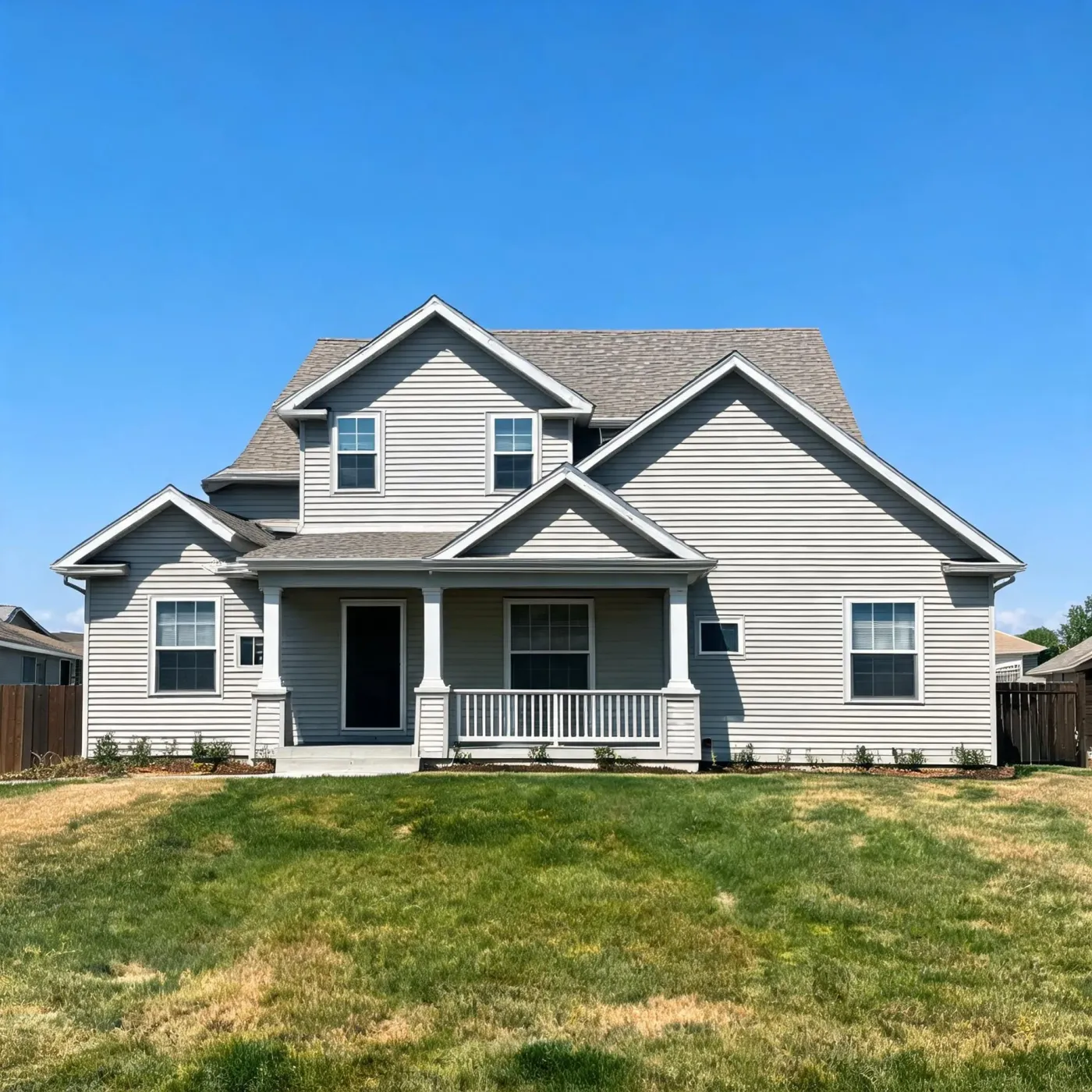
Summer humidity here isn't just about the AC side of your system. Pennsylvania summers run a dew point of 61°F on average, muggy enough that your heat pump's outdoor coil works through thick, heavy air for months before winter even starts. That coil carries grime and moisture into fall, and a dirty coil can't shed heat as well once the unit switches over to pulling heat out of cold air. A maintenance visit before winter clears that off and checks the refrigerant charge, so the system isn't starting the heating months already behind. (Source: regional climate data.)
NASA POWER T2MDEW county cells weighted by homes
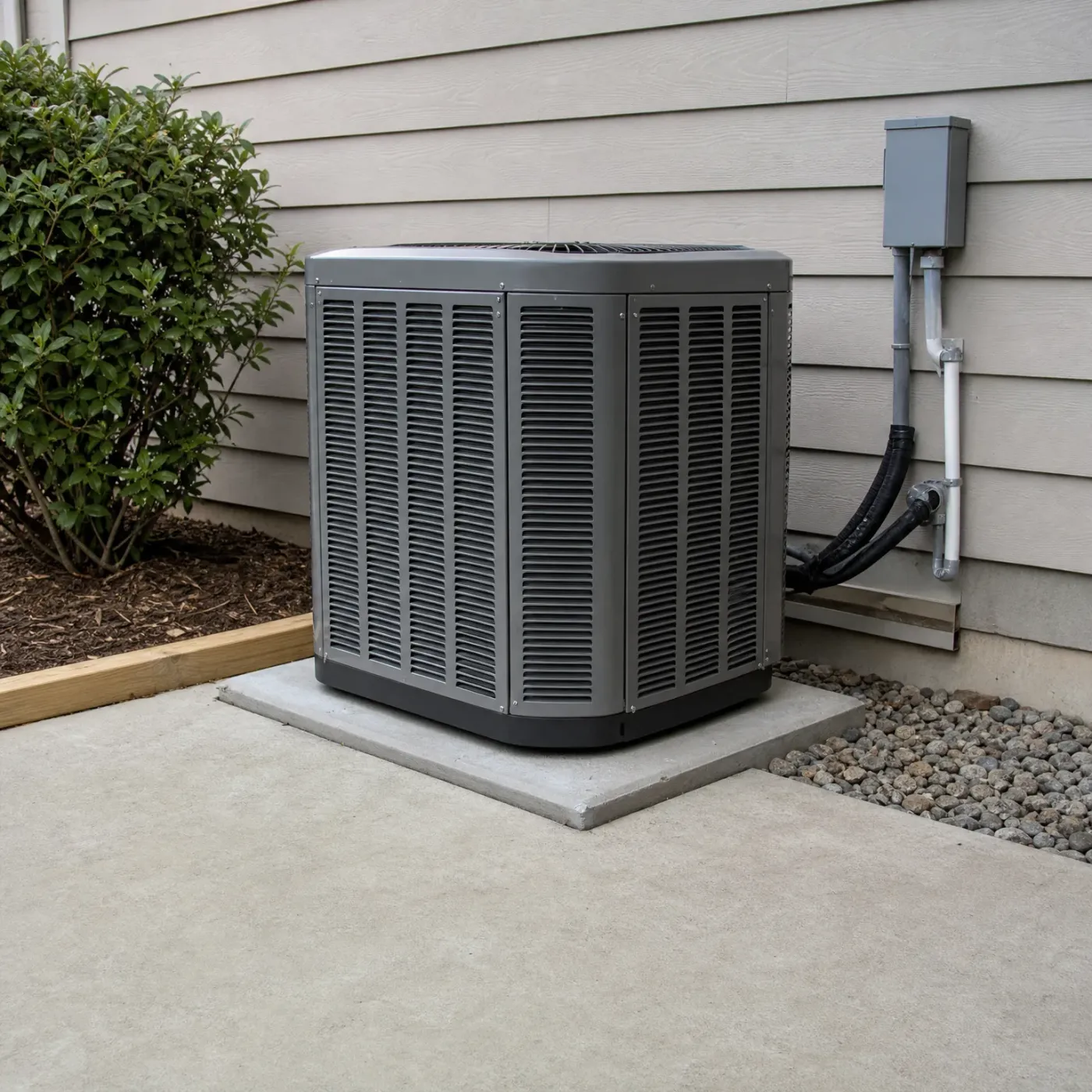
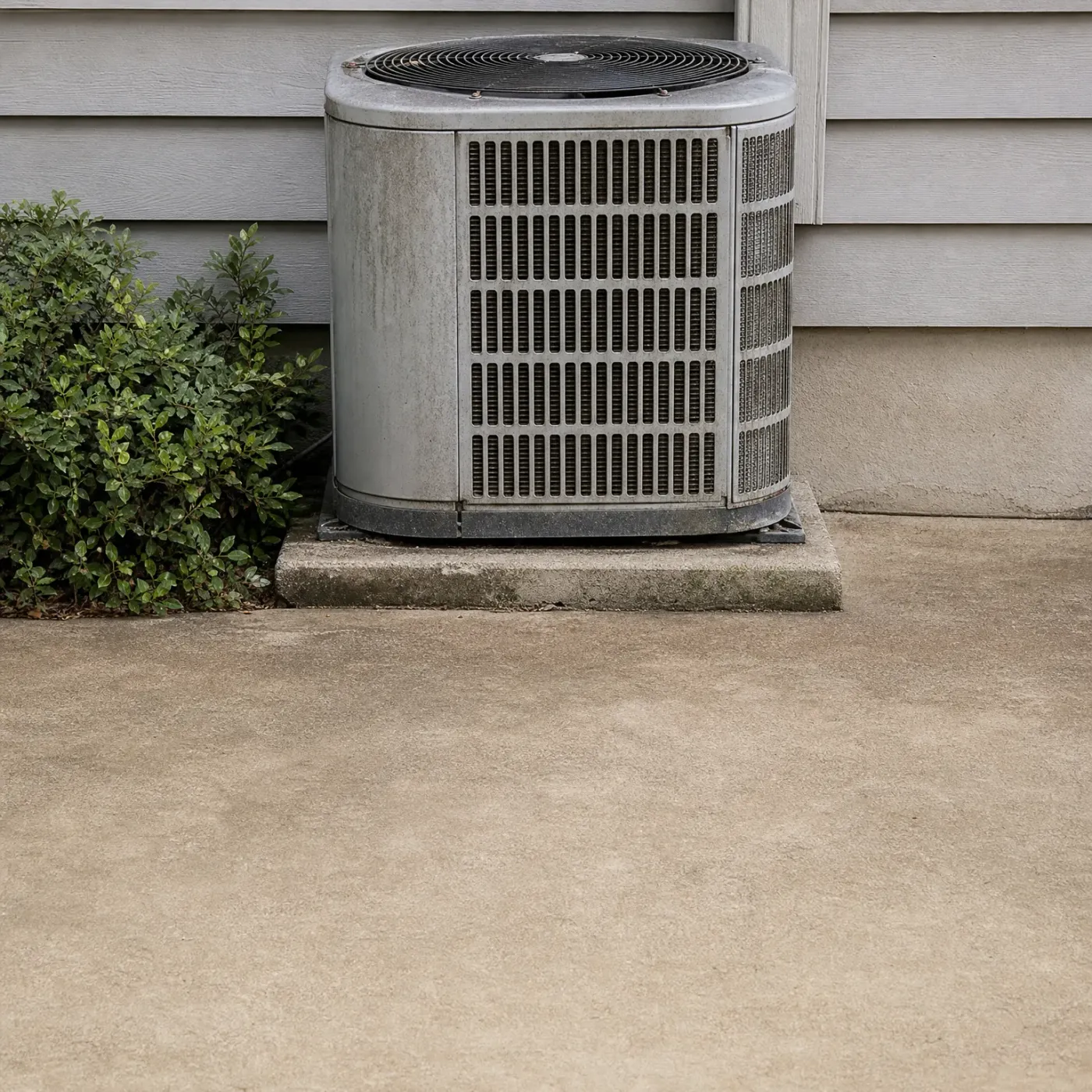
Refrigerant pulls heat out of cold outdoor air first.
A compressor squeezes that refrigerant to raise its temperature.
The indoor coil releases that heat into air moving through your ducts.
A reversing valve switches the cycle between heating and cooling.
At 19.29 cents a kilowatt-hour, every degree your heat pump has to make up after a setback shows up on the bill. A unit running steady sips power compared to one straining to recover, so holding one temperature is what keeps that rate from costing you more than it has to.
EIA-861 2025 statewide residential average
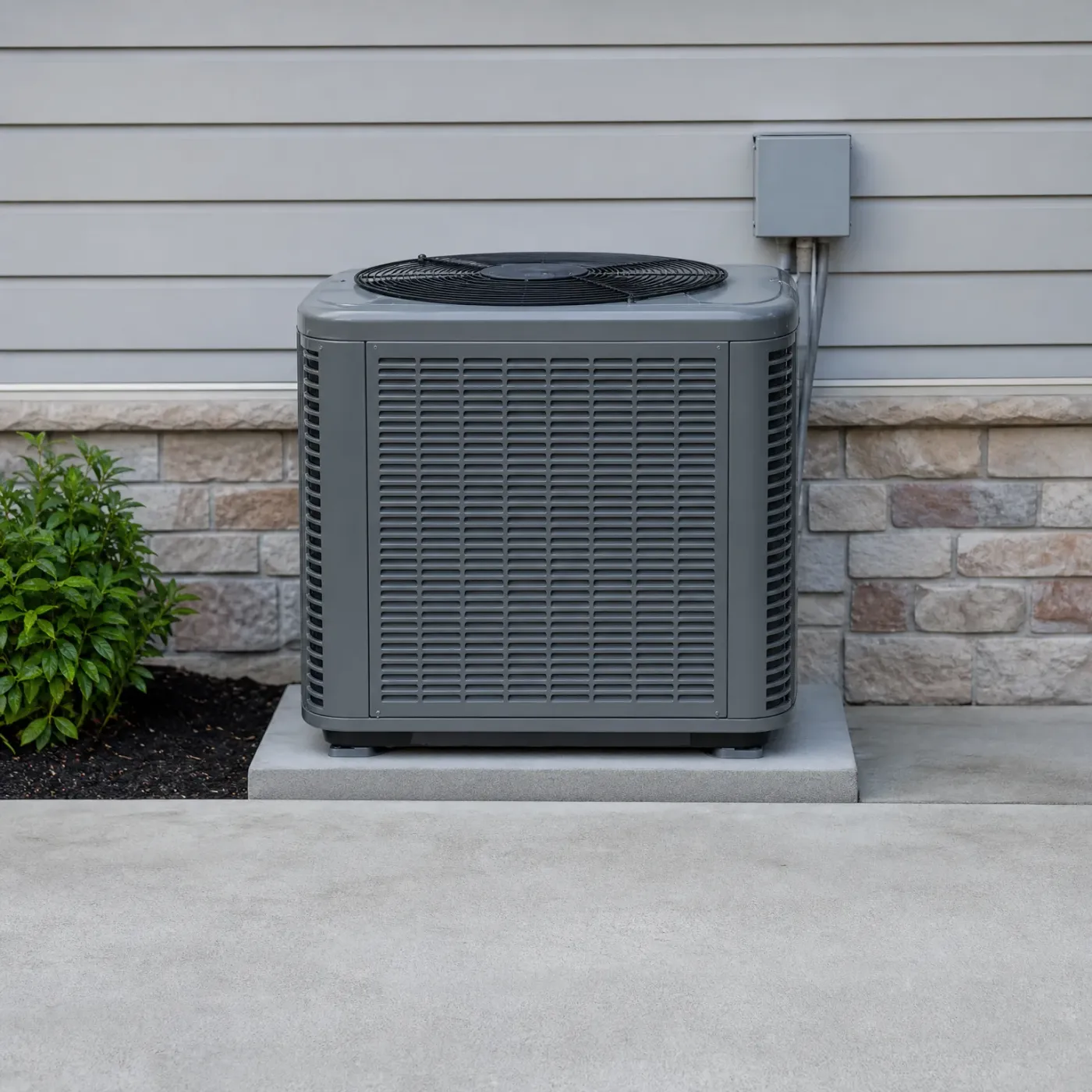
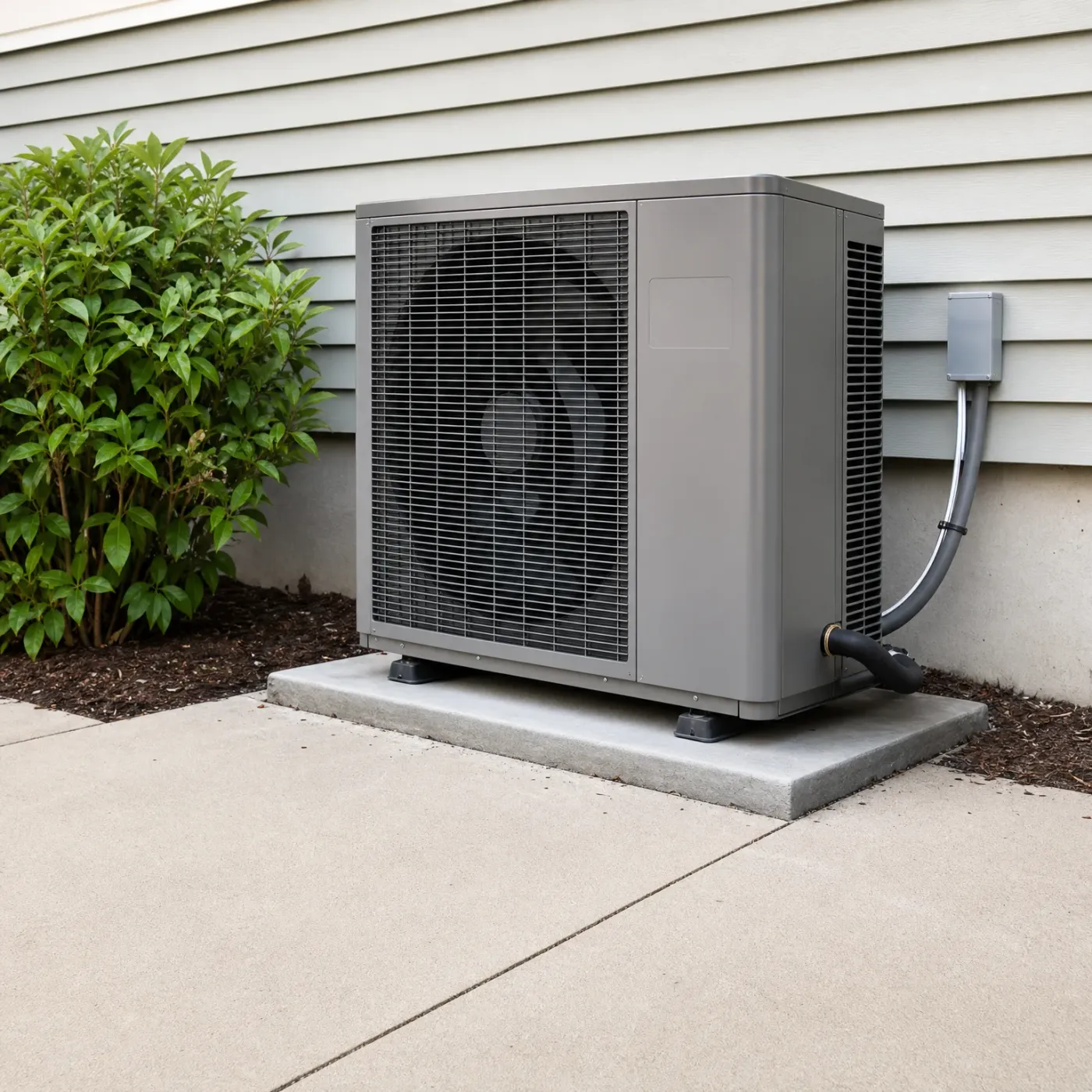
The coil on this unit sits open to the air, fins clear, cabinet clean against the siding. Air moves through it the way it's supposed to, so the system pulls heat out of the cold without straining to do it. Nothing here is fighting itself.
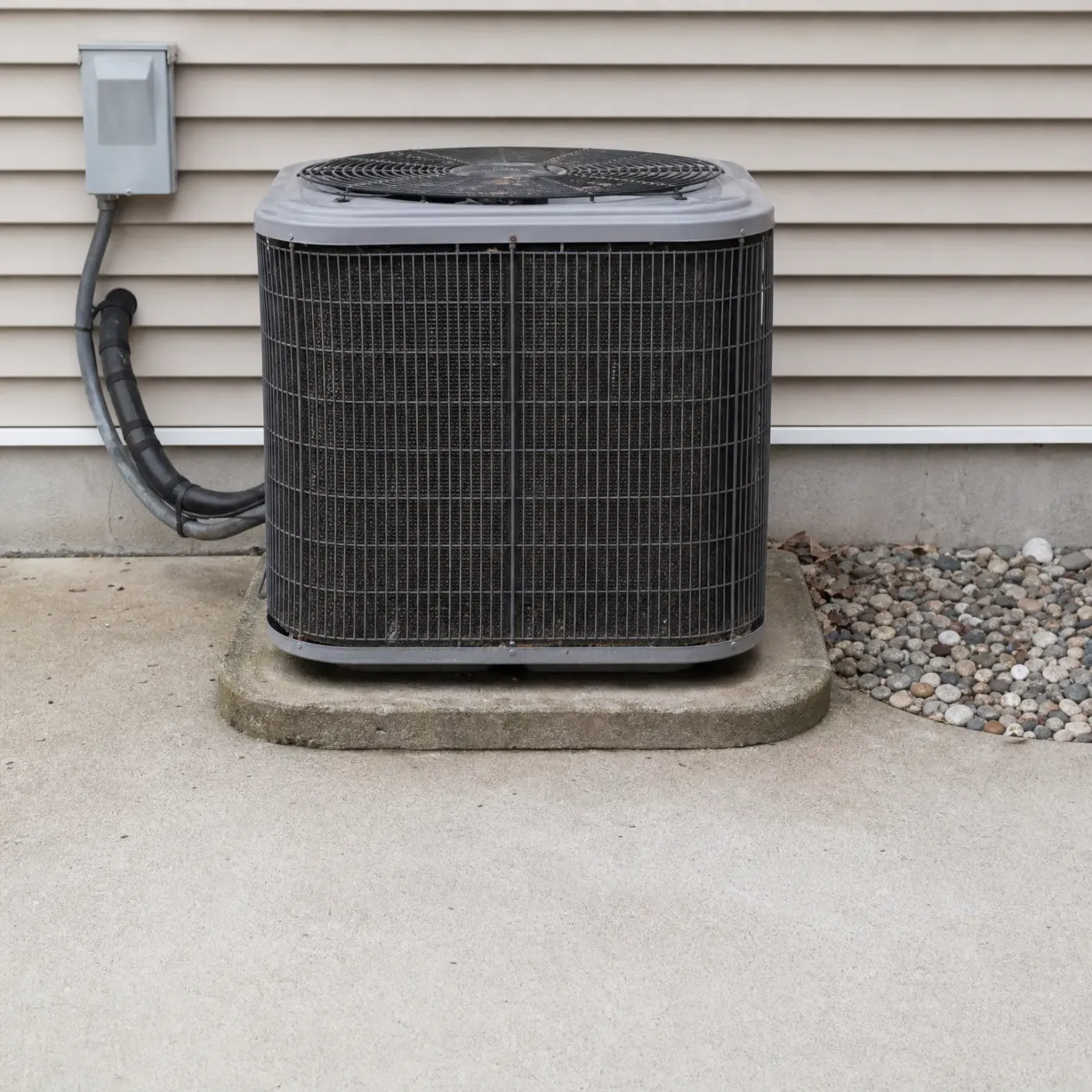
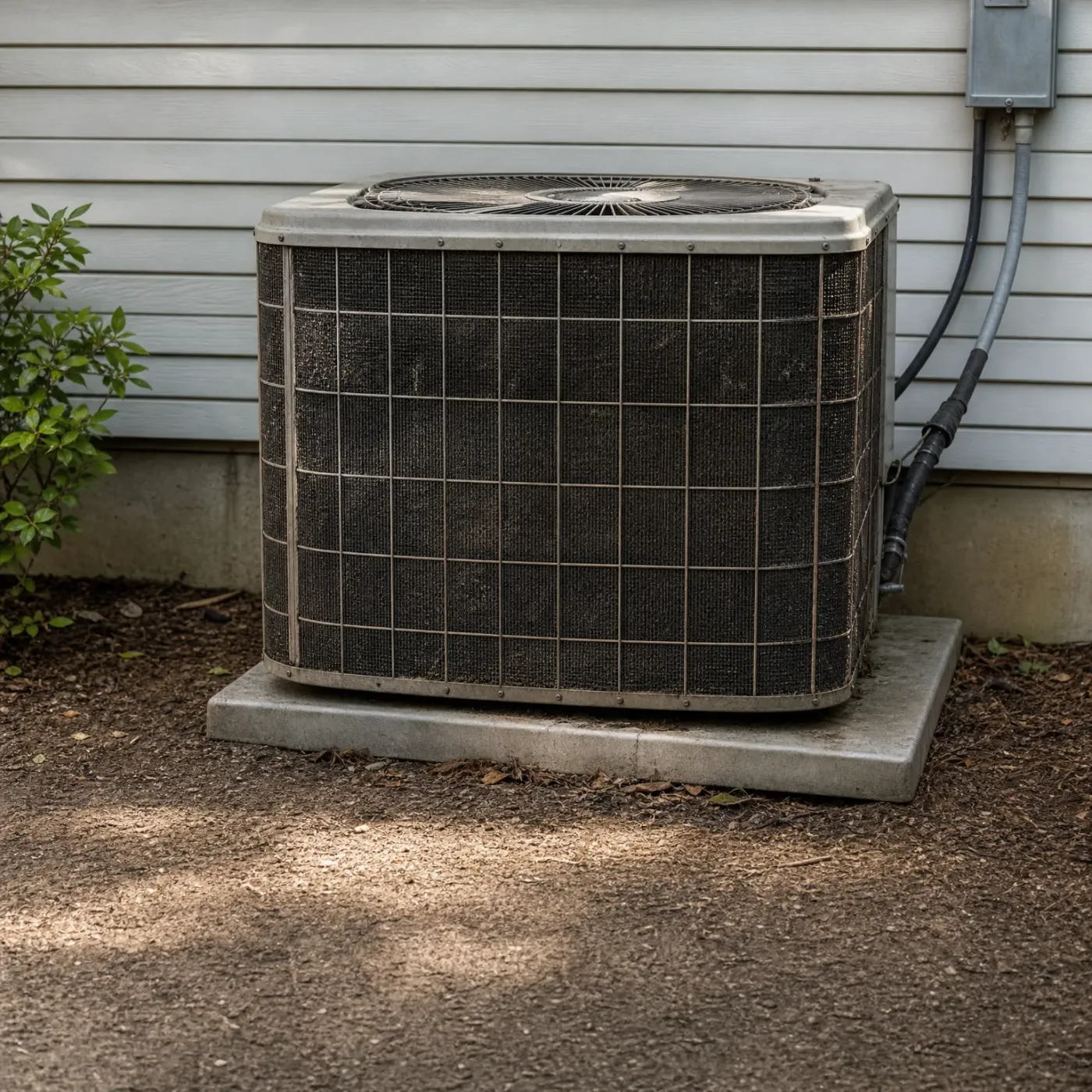
Dirt has packed into the coil fins on this one, thick enough to block airflow before the refrigerant ever gets a chance to pull heat from it. A unit choked like this runs longer for less heat, and once outdoor air turns cold, it starts losing the fight to keep up.

Set your heat pump to heat, pick a temperature, and leave the thermostat alone until spring. That's the whole answer. A steady setting lets the system pull heat from outside air the way it's designed to, without the backup strip covering for a setback once it's cold out.
A unit that's been checked over before winter is the one that holds that setting without trouble. Instead of pulling together quotes from a handful of contractors, explaining the same thing to each one, and waiting to hear back, you send one form and the work of finding someone who services heat pumps in Pennsylvania is off your plate. You'll know where you stand, and so will the person who shows up to look at your unit.

One form replaces the calls you'd make to find a heat pump pro.