Tell us about the job
Takes about a minute. No obligation.
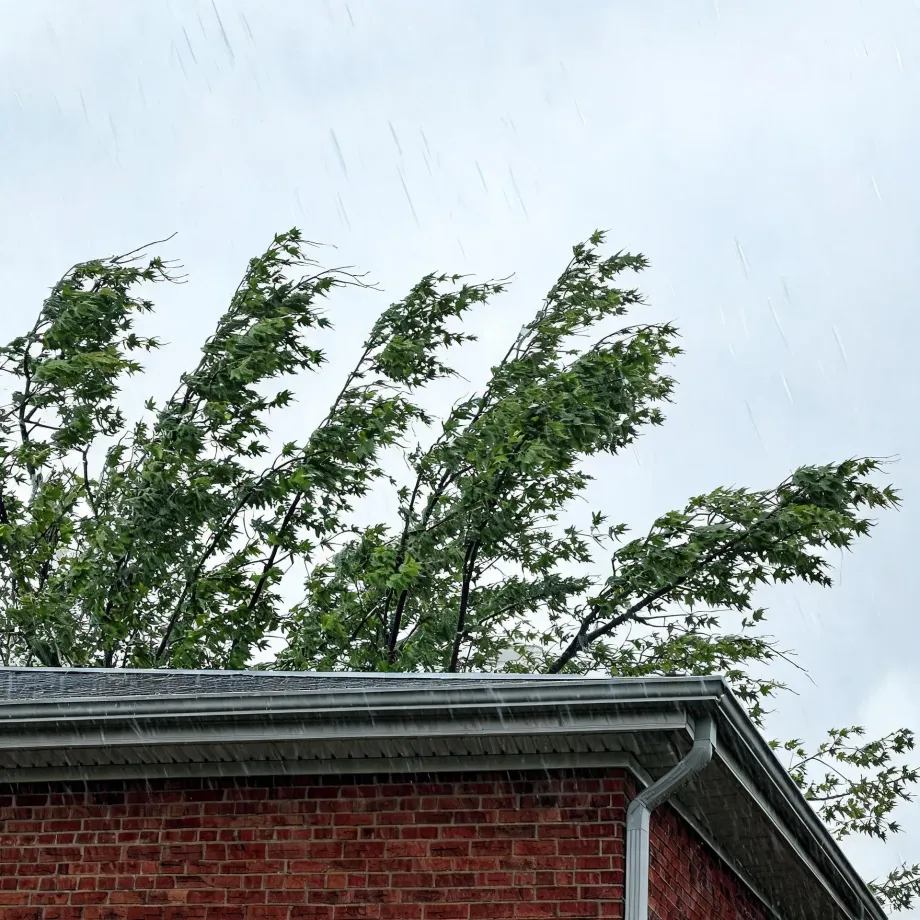
A contractor quoting a heat pump installation in Lehigh County starts from what the climate actually asks of a system, because getting that wrong at the sizing stage produces a unit that runs hard and wears faster than it should. 283 severe weather events were recorded in Lehigh County, Pennsylvania between 2015 and 2024. At that rate, severe weather is a routine part of the operating environment, and a contractor who treats it as background noise will undersize the equipment or skip over installation details that matter in a place this exposed. Refrigerant line placement, mounting hardware, and electrical capacity are all local decisions here, shaped by what the system will face once it is running.
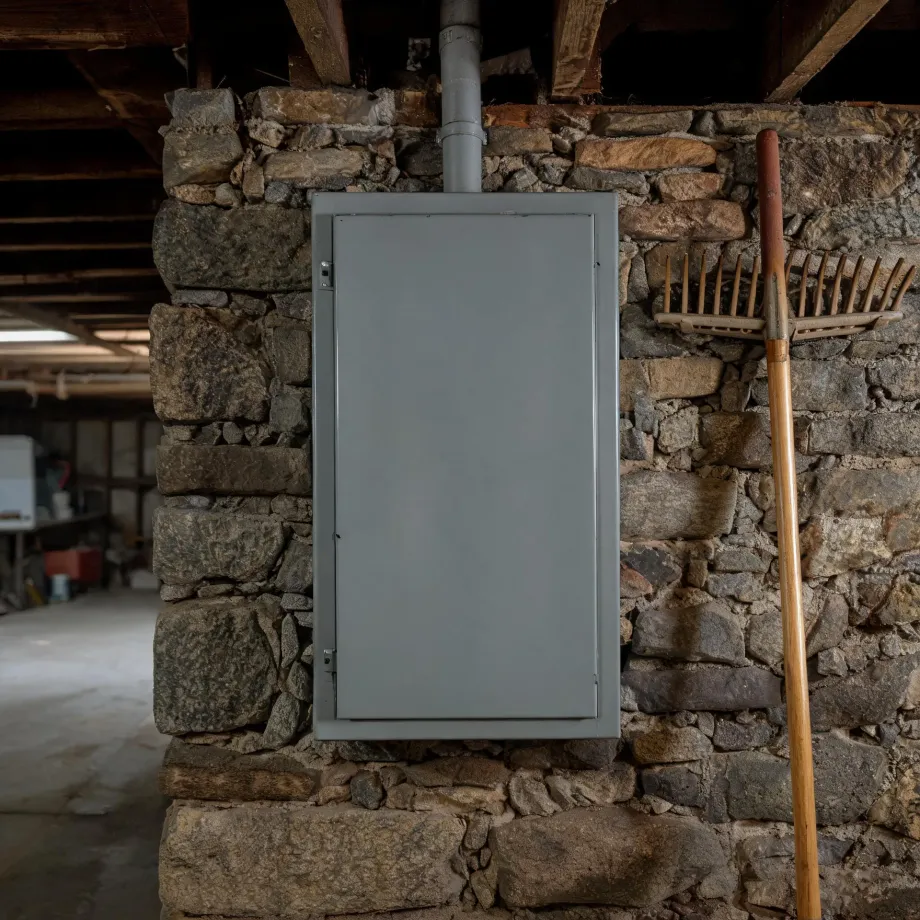
Ductwork sized and routed for a furnace does not automatically suit a heat pump, and in Lehigh County that mismatch is the first thing a contractor has to settle. Half the homes in Lehigh County, Pennsylvania were built in 1968 or earlier (2020-2024 ACS 5-year). A system built to push high-temperature air in short bursts runs on different duct geometry than one moving larger volumes of cooler air continuously. Before a unit is selected, a contractor checks whether the existing runs, returns, and register sizes will carry what the new equipment demands. If they will not, that work gets priced alongside the heat pump, not after.
What Gets Installed With a New Heat Pump
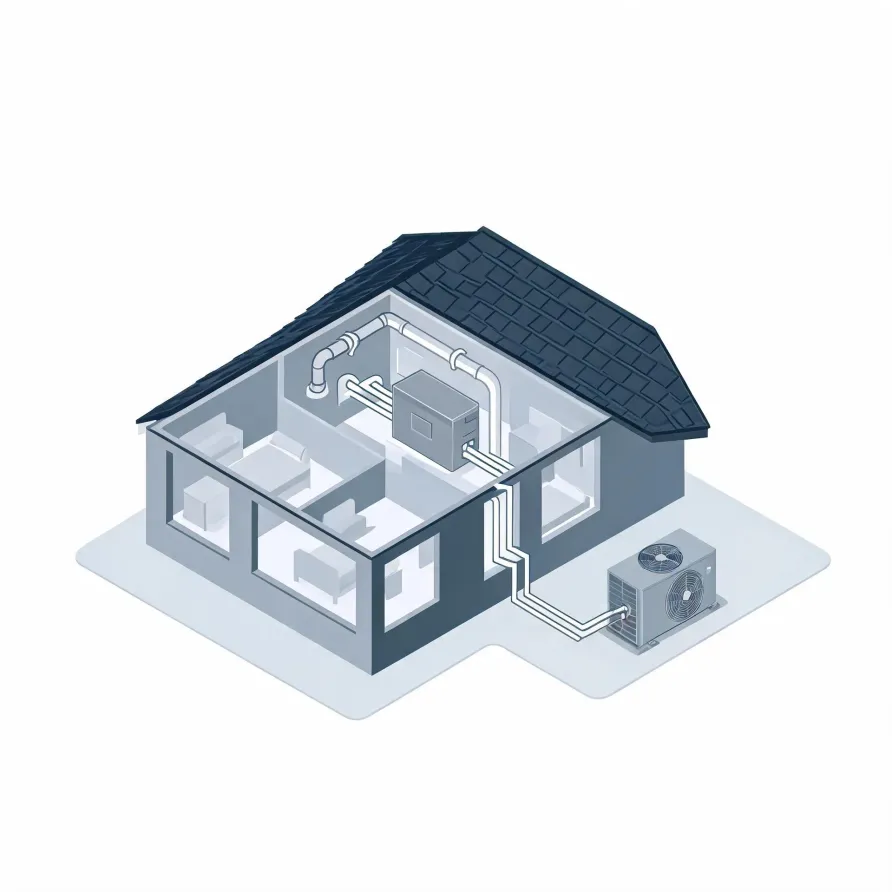
The outdoor unit is the piece most homeowners notice first. It sits on a pad beside the house and holds the compressor and the outdoor coil, which together do the heavy lifting of moving heat in or out of the building. Inside, the air handler mounts in a utility space, closet, or basement and pushes conditioned air through the home.
A refrigerant line set runs between the two units, carrying the fluid that links them, and a condensate drain line runs from the air handler to carry off moisture pulled from the indoor air. The thermostat mounts on an interior wall and is the control point a homeowner touches directly.
The drawing shows a typical layout, and a licensed contractor determines what fits the specific conditions of your house.
Find a contractor in Lehigh CountyLehigh County, by the numbers
283 severe weather events were recorded in Lehigh County, Pennsylvania between 2015 and 2024.
NOAA National Centers for Environmental Information, Storm Events Database, bulk CSV export, events 2015-01-01 through 2024-12-31.Half the homes in Lehigh County, Pennsylvania were built in 1968 or earlier (2020-2024 ACS 5-year).
U.S. Census Bureau, 2020-2024 American Community Survey 5-Year EstimatesLehigh County, Pennsylvania holds 151,220 housing units (2020-2024 ACS 5-year).
U.S. Census Bureau, 2020-2024 American Community Survey 5-Year EstimatesOwners occupy 65.6% of the occupied homes in Lehigh County, Pennsylvania (2020-2024 ACS 5-year).
U.S. Census Bureau, 2020-2024 American Community Survey 5-Year EstimatesRules and Standards Governing Heat Pump Installation in Lehigh County, Pennsylvania3 sourced rules and standards
Licensing Rules for Lehigh County, Pennsylvania
Pennsylvania names the trade in its own definition: installing central heating or air conditioning is a home improvement under the Act, whether or not the equipment is affixed — so an HVAC installation is work the registration requirement reaches.
A Pennsylvania registration displaces the local one: no political subdivision may require a home improvement contractor to register, license or pay a fee on top of it, though building permits and local code enforcement still apply.
Pennsylvania requires home improvement contractor registration rather than a licence: nobody may hold themselves out as a contractor, or perform any home improvement, without first registering with the Bureau of Consumer Protection.
Severe Weather Events in Lehigh County
Lehigh County's weather puts real demand on heating and cooling equipment, and that demand shapes what a heat pump here needs to handle year after year. Sizing and installation decisions that work in a mild climate may fall short in this one.
283 severe weather events, 2015–2024. Source: NOAA National Centers for Environmental Information, Storm Events Database.