Tell us about the job
Takes about a minute. No obligation.
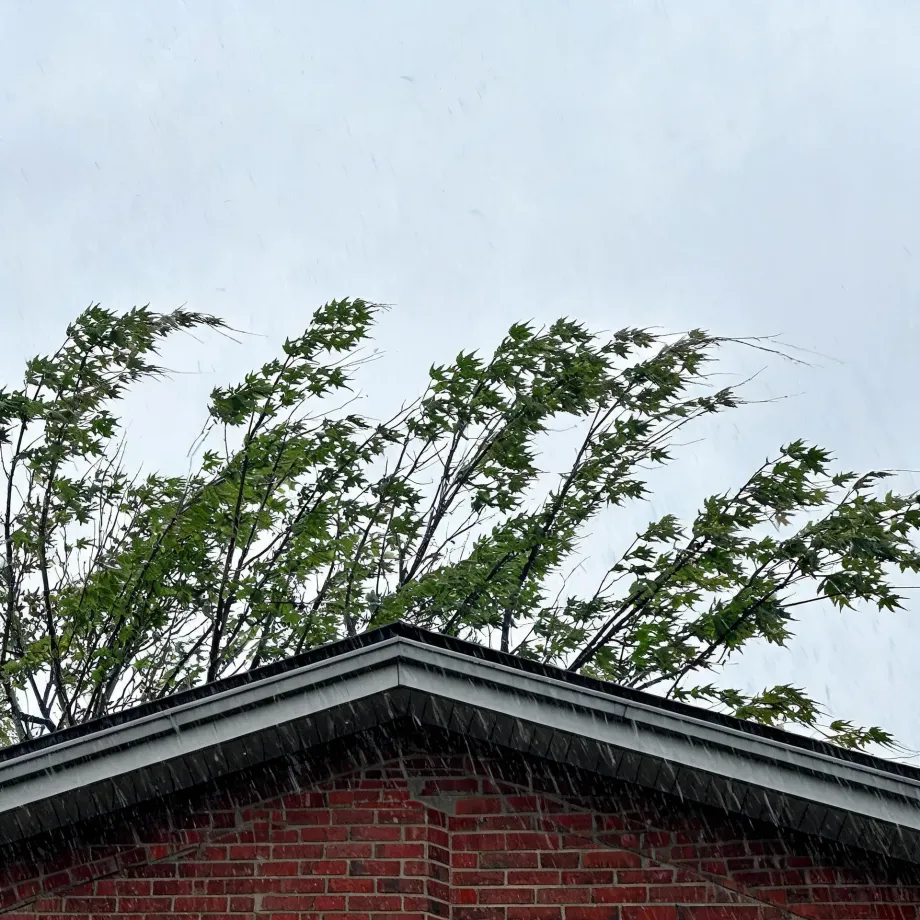
A contractor diagnosing a heat pump repair in York County has to settle one question before anything else: how much of what they are looking at is wear from accumulated stress, and how much is something the install or the unit's age explains. 252 severe weather events were recorded in York County, Pennsylvania between 2015 and 2024. At that rate, severe weather is a standing feature of operating conditions here, not an occasional event, and components like the compressor and reversing valve carry that load every season. A failed part in this county gets traced to weather-driven wear first, then to age or workmanship.
Half the homes in York County, Pennsylvania were built in 1976 or earlier (2020-2024 ACS 5-year). A house that old has likely had its heat pump replaced at least once, which means what a contractor opens may be a generation removed from the original install but still old enough to run on components that manufacturers have since discontinued. When a refrigerant valve or a reversing valve fails, the question that drives the repair scope is whether the replacement part ships or whether the system is now effectively unrepairable at a reasonable cost. That answer is not on the outside of the unit.
The Parts of a Heat Pump a Contractor Checks First
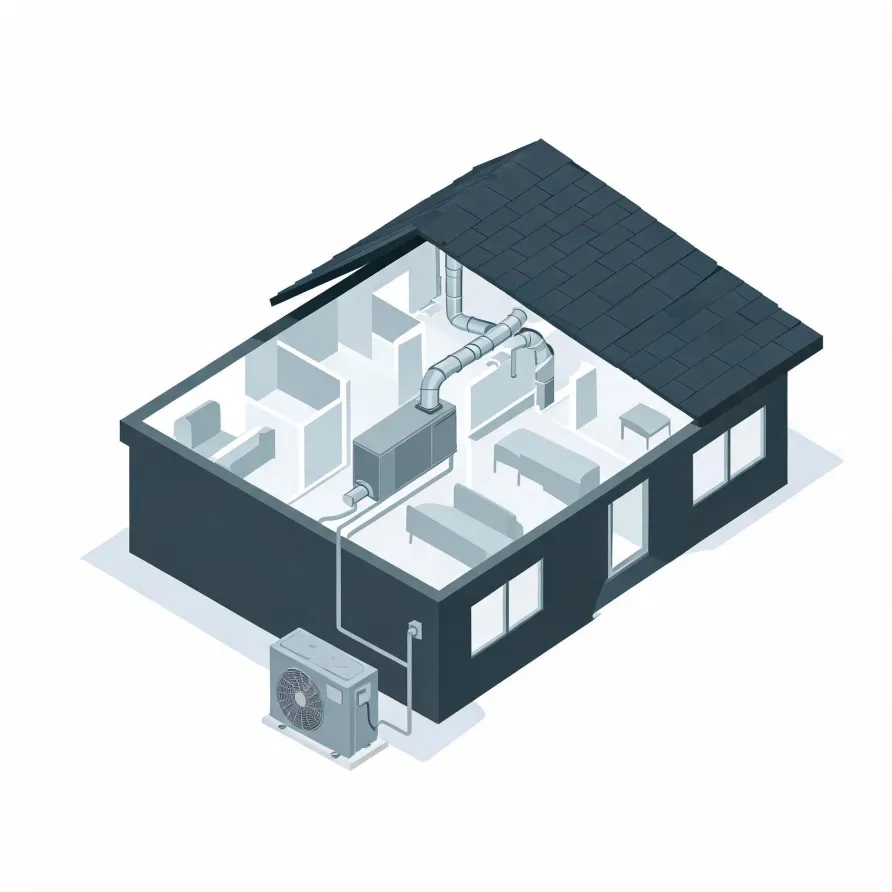
The outdoor unit is where most repair calls begin. It holds the compressor, which pumps refrigerant through the system, and the condenser coil, which releases or absorbs heat depending on the season. When the unit runs but delivers no conditioning, or cycles on and off without doing useful work, a contractor starts here.
Inside the house, the air handler contains the evaporator coil and the blower that moves conditioned air through your home. The reversing valve, which lets the system switch between heating and cooling, sits in the refrigerant line and is another piece a contractor examines when the heat pump runs in only one mode or none at all.
The drawing shows a general layout of these components, and a licensed contractor determines what applies to your specific house and system.
Find a contractor in York CountyYork County, PA, by the numbers
252 severe weather events were recorded in York County, Pennsylvania between 2015 and 2024.
NOAA National Centers for Environmental Information, Storm Events Database, bulk CSV export, events 2015-01-01 through 2024-12-31.Half the homes in York County, Pennsylvania were built in 1976 or earlier (2020-2024 ACS 5-year).
U.S. Census Bureau, 2020-2024 American Community Survey 5-Year EstimatesYork County, Pennsylvania holds 189,857 housing units (2020-2024 ACS 5-year).
U.S. Census Bureau, 2020-2024 American Community Survey 5-Year EstimatesOwners occupy 76.3% of the occupied homes in York County, Pennsylvania (2020-2024 ACS 5-year).
U.S. Census Bureau, 2020-2024 American Community Survey 5-Year EstimatesCodes & Rules Governing Heat Pump Repair in York County, Pennsylvania3 sourced rules and standards
What York County and Pennsylvania Require for HVAC Repair
Pennsylvania names the trade in its own definition: installing central heating or air conditioning is a home improvement under the Act, whether or not the equipment is affixed — so an HVAC installation is work the registration requirement reaches.
A Pennsylvania registration displaces the local one: no political subdivision may require a home improvement contractor to register, license or pay a fee on top of it, though building permits and local code enforcement still apply.
Pennsylvania requires home improvement contractor registration rather than a licence: nobody may hold themselves out as a contractor, or perform any home improvement, without first registering with the Bureau of Consumer Protection.
Severe Weather Events in York County, Year by Year
Heat pumps in York County work against whatever the climate puts out, and weather stress is one of the main reasons repair needs develop over time. How hard the weather bears down here is a local fact, and it shapes how much a heat pump has to do.
252 severe weather events, 2015–2024. Source: NOAA National Centers for Environmental Information, Storm Events Database.