How cold is too cold for a heat pump in Pennsylvania

Step 1 of 3: Equipment

Most heat pumps start struggling somewhere around 25 to 30 degrees, and below 0 they stop pulling enough heat from the outside air to keep up on their own. That's the point where a backup heat source has to carry the load, whether that's electric resistance coils built into the system or a separate furnace. Pennsylvania winters get there most years. Once outdoor air gets that cold, there just isn't much heat left in it for the unit to move indoors, no matter how well it's running. This matters for what you install. A heat pump sized and set up for Pennsylvania needs backup heat that can actually take over when temperatures drop, and a thermostat and controls that switch to it at the right point instead of running the heat pump too hard trying to keep up on its own. Get that wrong and you'll either burn through backup heat too early or ask the heat pump to do a job it can't finish.

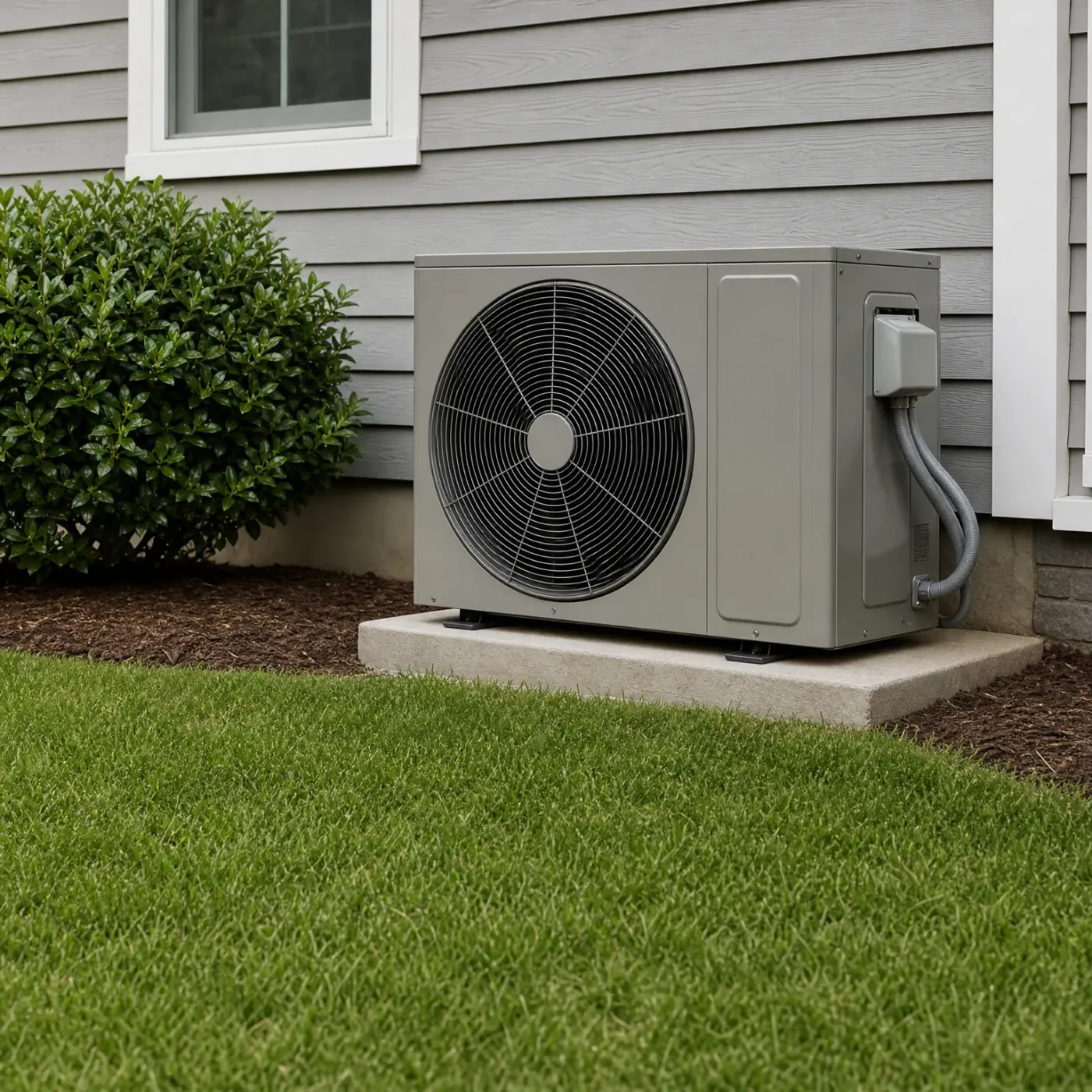
A gray outdoor heat pump unit with a large fan grille sits on a concrete pad beside a house with horizontal lap siding, next to a green shrub, mulch bed, and lawn.

Running fine down to the 20s

On a normal day the outdoor unit hums along, pulling heat from the air even when it's cold out. You won't hear it strain or cycle oddly. This is what it should look like through most of a Pennsylvania fall and into early winter.

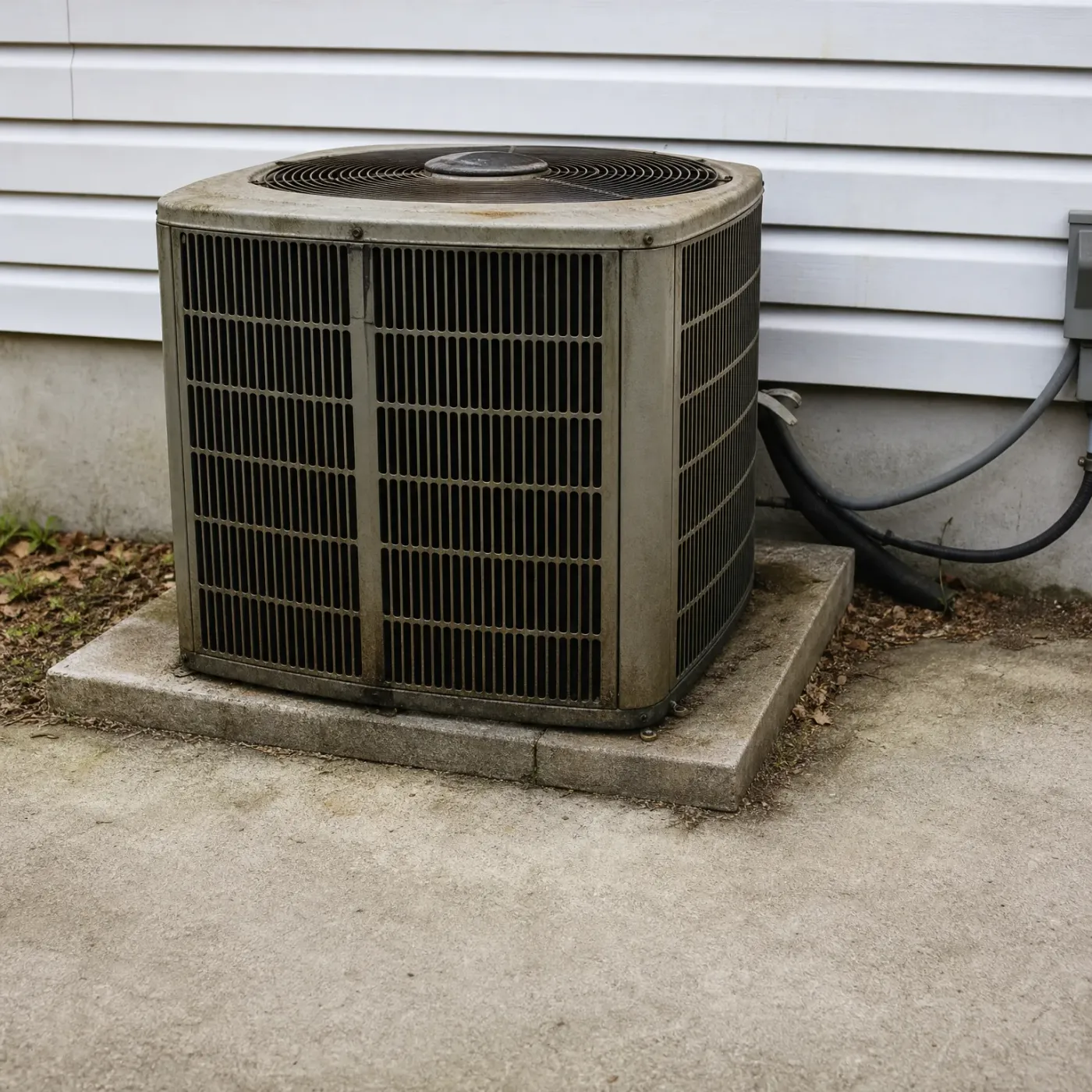
A weathered outdoor condenser unit on a concrete pad beside a house with white horizontal vinyl siding, with refrigerant lines and conduit running to a wall-mounted electrical box.

Struggling once it's below freezing

When temperatures drop into the teens or lower, the unit works harder for less heat. Ice can build on the coil, the grilles stay cold to the touch, and the house may not feel as warm as the thermostat claims. That's when backup heat needs to be doing its share.

Heat Pump Alone or With Backup Heat

Heat pump only

  • Pulls heat from outside air efficiently down to around 25 to 30 degrees without help.
  • Runs on electricity, so it avoids gas entirely if that matters to you.
  • Below freezing, it works harder for less output, and the difference shows on the power bill since electricity here isn't cheap.
  • Once outdoor temperatures drop toward 0, it can't draw enough heat from the air to keep the house warm on its own.
  • Without a backup source, a cold snap in January can leave you short, right when you need heat most.

Heat pump plus backup

  • Electric resistance coils or a gas furnace take over when the outdoor unit can't keep pace.
  • Keeps the house warm through the coldest stretches of a Pennsylvania winter without relying on the heat pump alone.
  • A gas furnace backup costs less to run on the coldest days than electric resistance coils do.
  • Most homes in this state already heat with gas, so pairing a heat pump with a furnace fits what's already common here.
  • Switchover between the two usually happens automatically, so you're not out adjusting anything by hand during a cold snap.
  • Adding backup means installing or connecting a second heat source, not just the outdoor unit.
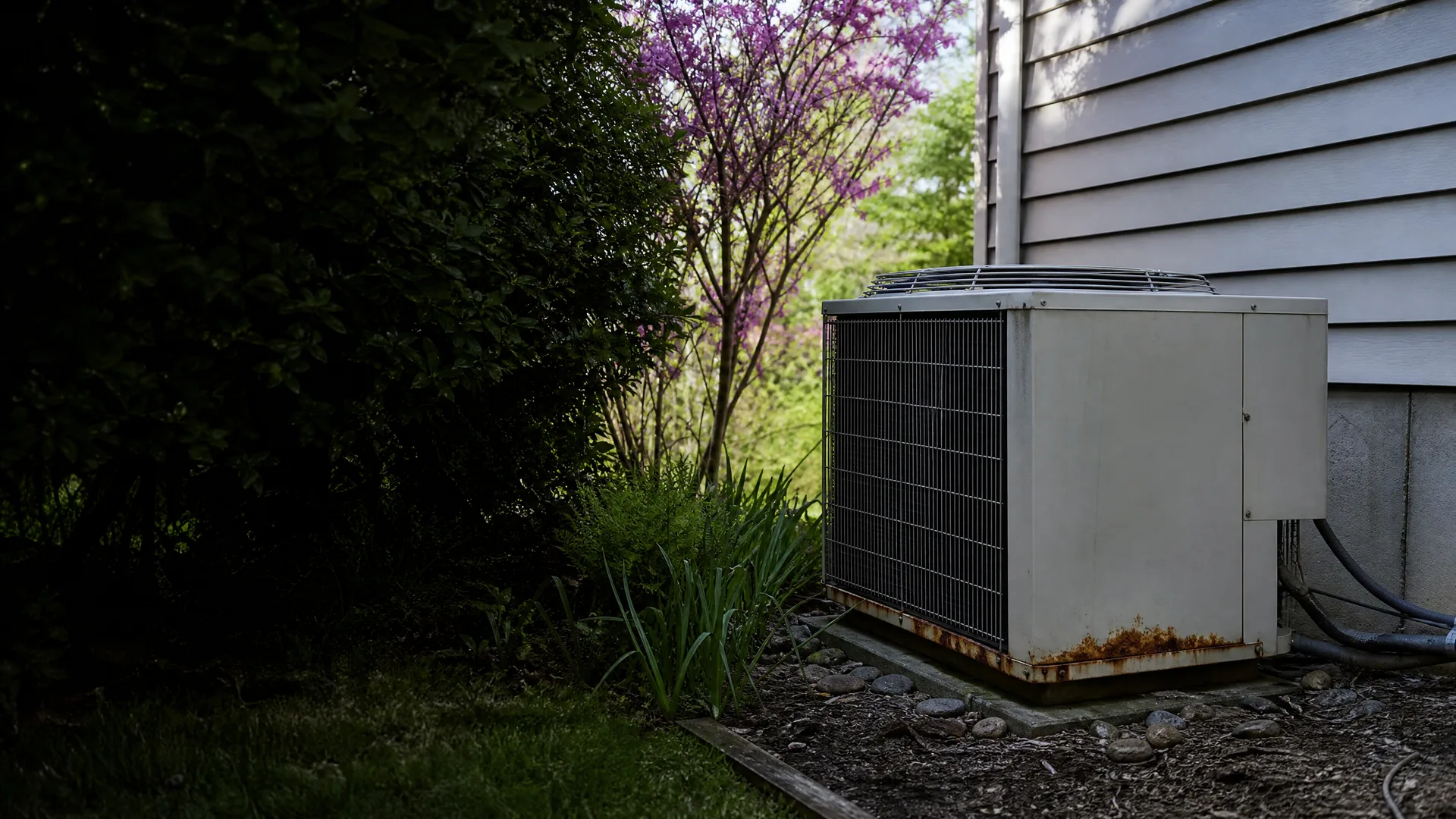
An outdoor air conditioning condenser unit with rust streaks sits on a concrete pad beside a light-colored lap-sided house, surrounded by shrubs, gravel and a flowering tree.

You walk out to the side yard to check on the unit before the warm weather really settles in. It's April, the grass still a little wet from the night before. The outdoor unit sits where it's always sat, and you notice the rust along the base for the first time, really notice it, a line of orange creeping up from the bottom panel. It ran hard all winter keeping the house warm down into the teens and single digits, and it shows. You crouch down and touch the metal. Still solid enough. But you make a note to ask someone about it before next winter asks more of it than it can give.
Let someone else find the pro

Skip searching for a heat pump pro and answer a few questions instead.

Asking costs nothing, and the choice to hire stays yours.

How a heat pump handles cold

  • The outdoor unit has a reversing valve that switches it between heating and cooling by changing which coil acts as the condenser.
  • As outdoor air gets colder, the refrigerant has less heat to absorb, so the compressor runs longer to move the same amount of heat indoors.
  • Defrost mode kicks in when frost builds on the outdoor coil, briefly reversing the cycle to melt it off before switching back to heating.
  • A heat pump's balance point is the outdoor temperature where it can no longer match the heat loss of the house without backup help.
  • Backup heat, usually electric resistance strips, is wired to kick in automatically once the thermostat senses the heat pump alone can't keep up.
  • Auxiliary heat and emergency heat are different settings; aux heat supplements the compressor, while emergency heat shuts the compressor off entirely.

A heat pump doesn't make heat the way a furnace does. It moves heat that's already in the outdoor air into your house, using a reversing valve to switch the system between heating and cooling by changing which coil does the work of the condenser. In summer that same valve sends heat outside instead.

The colder it gets, the less heat there is in the outdoor air to grab, so the compressor has to run longer to deliver the same warmth to your living room. That's normal operation, not a sign of trouble, but it does mean more electric use as temperatures drop.

Frost on the outdoor coil is normal too. When it builds up, the system briefly reverses itself, running a defrost cycle to melt it off before switching back to heating. You might feel a few minutes of cool air inside during this, or see steam rising off the unit outside.

Every heat pump has a balance point, the outdoor temperature where it can no longer pull enough heat to match what your house is losing. Below that point, backup heat, usually electric resistance strips, kicks on automatically to fill the gap. That's different from emergency heat, a setting you control yourself that shuts the compressor off completely and runs on backup alone, usually only when the outdoor unit needs service.

A man in a gray sweater reclines in a brown leather armchair with his eyes closed, beside a wooden side table holding a mug, a folded newspaper and a potted plant, with a bookshelf and sunlit window behind him.
A man with greying hair and a dark sweater leans back on an armchair with his eyes closed and a slight smile, in a living room with a bookshelf, plant, folded newspaper and mug on a wooden table.
A man in a gray fleece jacket sits reclined in a leather chair with his eyes closed, in a room with bookshelves, a table lamp, a window, and a desk holding a folded newspaper and a dark mug.
A bearded man in a gray fleece pullover sits with eyes closed in a brown leather armchair in a living room, with a floor lamp, bookshelf, potted plants, a side table holding newspapers and a dark mug, and a bright window behind him.

A heat pump rated for cold climates can still pull heat from air well below 0, but the colder it gets, the less heat there is to grab, and the harder the compressor runs to make up the difference.

That's why backup heat matters more than the brand or the model number. In Pennsylvania winters, what carries the house on the coldest nights depends on what backs up the heat pump, not just what the heat pump can do alone.

Power costs 19.29 cents per kilowatt-hour statewide

At 19.29 cents a kilowatt-hour, every degree your backup heat has to cover costs more here than in most states. That's the piece worth knowing before the cold snap hits: a heat pump leaning on electric resistance for a few weeks isn't a small add to the bill.

EIA-861 2025 statewide residential average

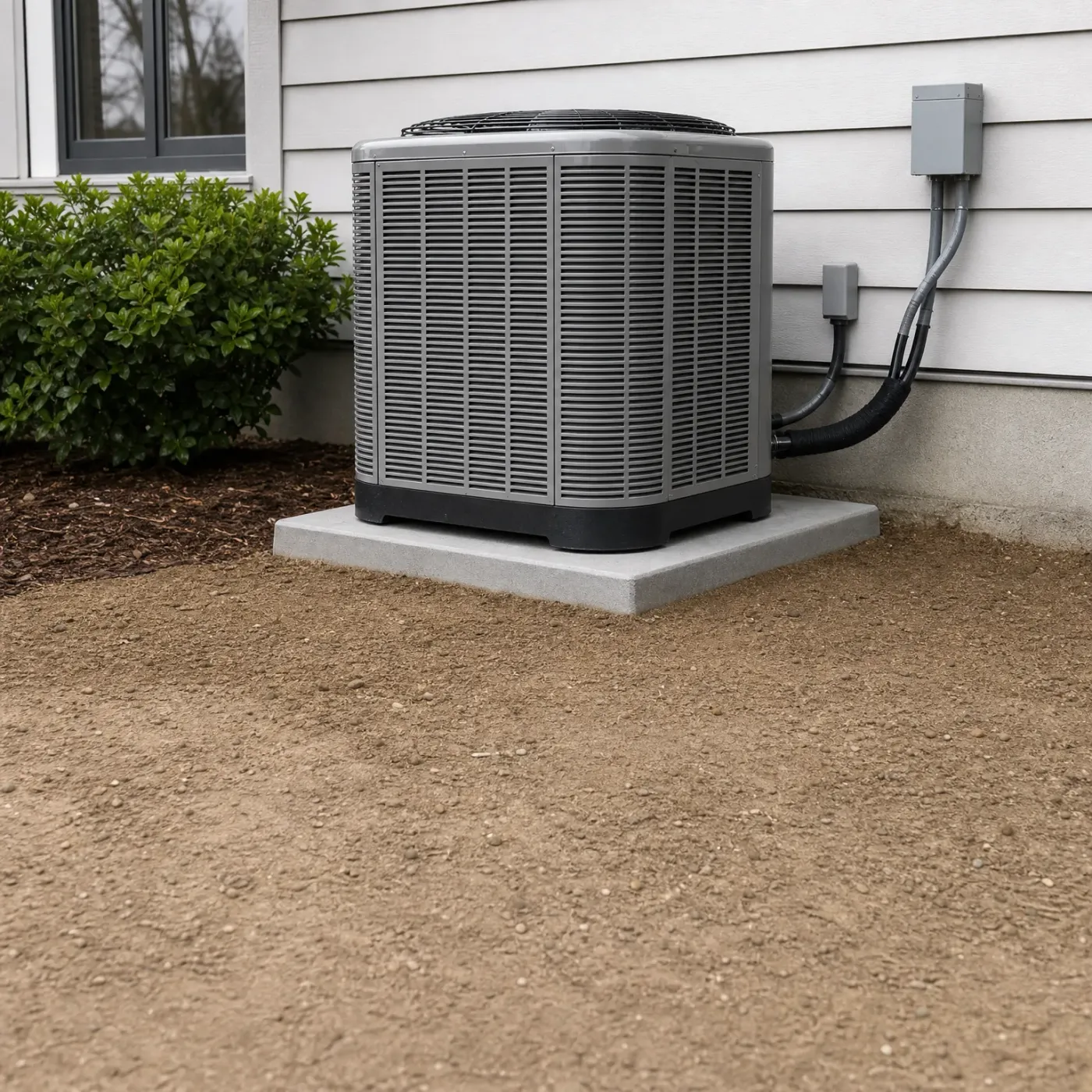
A gray outdoor condenser unit on a concrete pad beside a white horizontal-siding house, with refrigerant lines and conduit running to a wall-mounted disconnect box, bare soil in front and a green shrub at left.

Working as it should

This is a heat pump on a normal day. The pad is clear, the fins are clean, and air moves through the grille without trouble. Nothing about the outside tells you it's fighting the cold. Underneath the siding, the lines and the disconnect box are doing their job quietly, which is how you want it through a Pennsylvania winter.

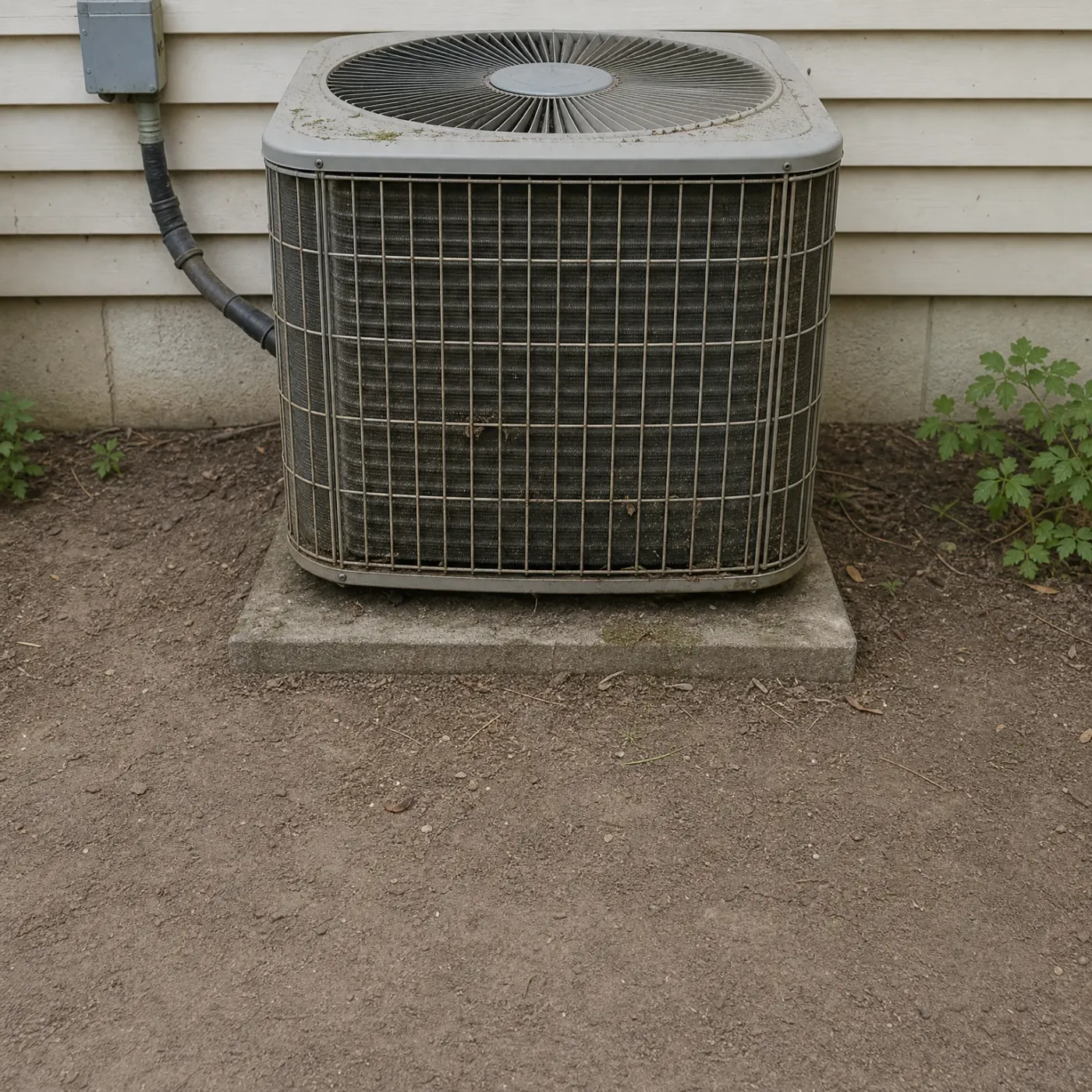
An outdoor air conditioning condenser unit on a concrete pad beside a house with light horizontal siding and a concrete block foundation, with bare soil and small green plants around it.

Losing the fight

Dust and grime have packed into the fins and the grille, and that cuts off the airflow the unit needs to pull heat from outside. A heat pump already working hard against the cold has even less to give when it can't breathe. This is what makes a bad month worse, and it's easy to miss from the kitchen window.

A closed silver laptop and a glazed ceramic mug on a wooden table, with a blurred kitchen counter, potted plant, cutting board and window in the background.

The cutoff is physics, not a defect

A heat pump in Pennsylvania starts losing ground somewhere in the 20s and needs backup once it's below 0. That's not a sign anything is wrong with the unit. It's how the machine works, and it means the question isn't whether your system can handle a Pennsylvania winter, it's whether the backup heat and the installation behind it are sized to carry the load when the air outside has almost nothing left to give.

That's a sizing and installation question, and it's not one you answer by calling around and hoping whoever picks up first knows cold-climate systems. You'd be explaining the same thing to three or four contractors, waiting on quotes, trying to tell which one actually understands Pennsylvania winters versus one guessing. Send the form once and that search is off your plate. Someone qualified takes it from there.

Interior corner of a dining room with a round wooden table, a ceramic vase holding olive branches, a dark spindle-back chair near a curtained window, and a sideboard with a lamp against beige walls.
A gray-haired man in a blue quarter-zip sweater sits in an armchair with his eyes closed, beside a large window with bare trees outside and a potted plant and lamp nearby.
A woman in a cream knit sweater sits in an armchair with her eyes closed and head tilted back, beside a window showing orange autumn foliage and a wooden side table with a mug.

One request and it's handed off

A heat pump that struggles below 0 isn't broken, but it does mean your setup and your backup heat need to match Pennsylvania winters. Getting that right takes a proper look at your home, not a guess. Send the form and skip the part where you'd be calling around, explaining your system twice, and sorting through quotes yourself. A licensed installer takes it from there, so finding help stops being something you have to manage.

Hand it over

One form replaces the calls you'd make to find a heat pump pro.

No fee to send it, and nothing to sign.