Is a heat pump cheaper to run than gas heat in Pennsylvania

Skip the round of in-home estimates for a new heat pump.

Start one form

Most of the year, yes. A heat pump moves heat instead of burning fuel for it, so it produces more heat energy than the electricity it uses, and that keeps it cheaper to run than gas through fall and spring and into the start and end of winter. Where it changes is on the coldest days. Below a certain outdoor temperature a heat pump has to lean on backup electric heat strips to keep up, and those pull a lot of power. With electric rates here running high, that stretch of deep cold can flip the math and make a well-tuned gas furnace the cheaper choice hour for hour. Which one actually costs less over your winter depends on how your system is sized and set up, and on the balance point where it switches to backup heat. Installed correctly, a heat pump still comes out ahead most months.

A gray-haired man in a dark long-sleeve shirt sits on a gray sofa in a living room, looking toward a sunlit window with sheer curtains.
A gray-haired man in a dark green sweatshirt sits on a sofa in a living room, looking toward a bright window, with a houseplant, lamp, fireplace and framed art behind him.
A gray-haired bearded man in a dark green collared sweater sits on a sofa in a living room with a window, houseplant, floor lamp and bookshelves, looking off to the side.
A gray-haired man in a dark green sweater sits on a sofa in a sunlit living room, looking off to the side, with a framed landscape painting, dining table and shelving behind him.

Why does your heat pump struggle on the coldest nights

You've probably noticed it already. On a mild December day the heat pump keeps the house warm without much fuss. Then a hard cold snap comes through, the kind Pennsylvania gets most winters, and the air coming out of the vents feels cooler than usual. The unit might run longer, almost constantly, trying to keep up. That's the heat pump losing efficiency as the outdoor temperature drops, and it's exactly when electric rates make running it hardest on your bill. If the system has no backup heat, or the backup isn't sized right, the house can struggle to hold temperature on those nights. Left unaddressed, you end up paying more for less warmth, right when you need it most.

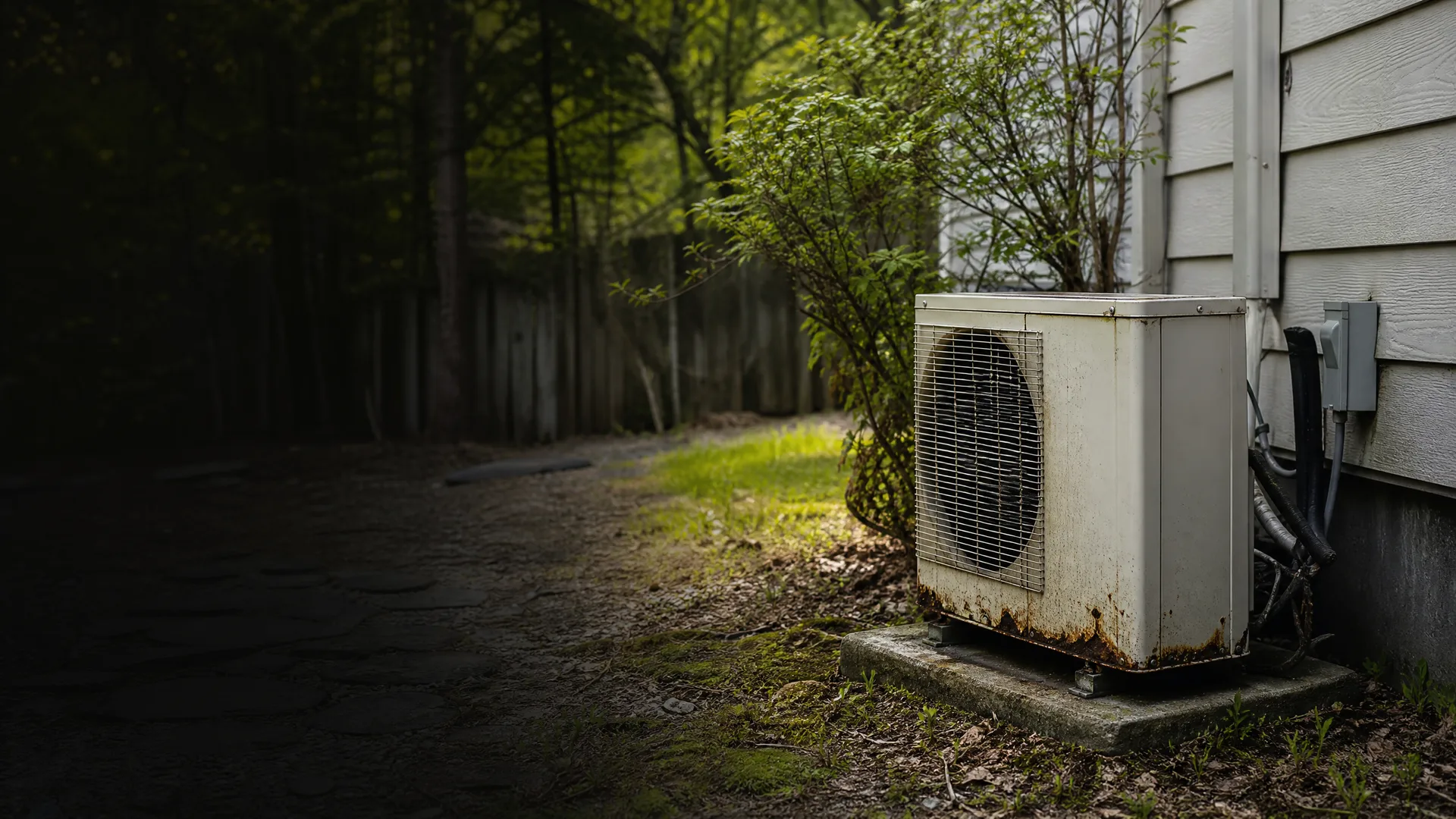
A weathered, rust-streaked outdoor heat pump unit on a concrete pad beside a house with horizontal siding, with shrubs, moss and a dim wooded yard and fence to the left.

You're out in the side yard on one of the first warm days in March, coiling the garden hose, when you notice the outdoor unit. Rust has worked its way along the base, past the seams, and one of the panel screws is gone. It still ran fine all winter, you think, but it's old enough that you can't remember the last time anyone serviced it. You crouch down and brush some leaves off the coil, then stand there a minute, doing the math on how many more summers it has in it before something gives out on a July afternoon instead of a mild one like this.


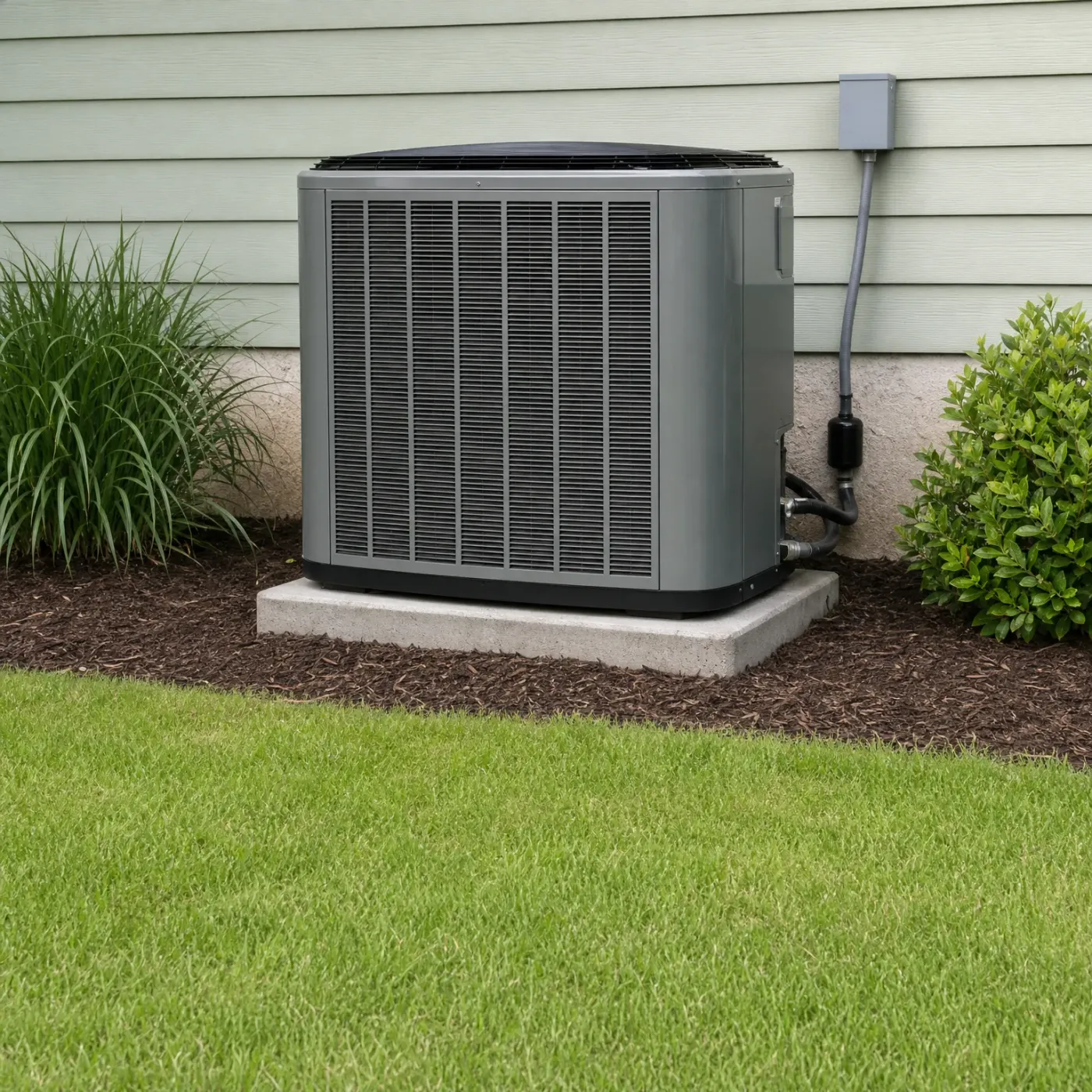
A gray outdoor condenser unit on a concrete pad beside a light-green sided house, surrounded by mulch, ornamental grasses and a shrub, with mowed lawn in the foreground.
A heat pump that's clean, has clear airflow around it, and was sized right for your house will get the most hours out of cheap operation before it has to lean on backup heat.
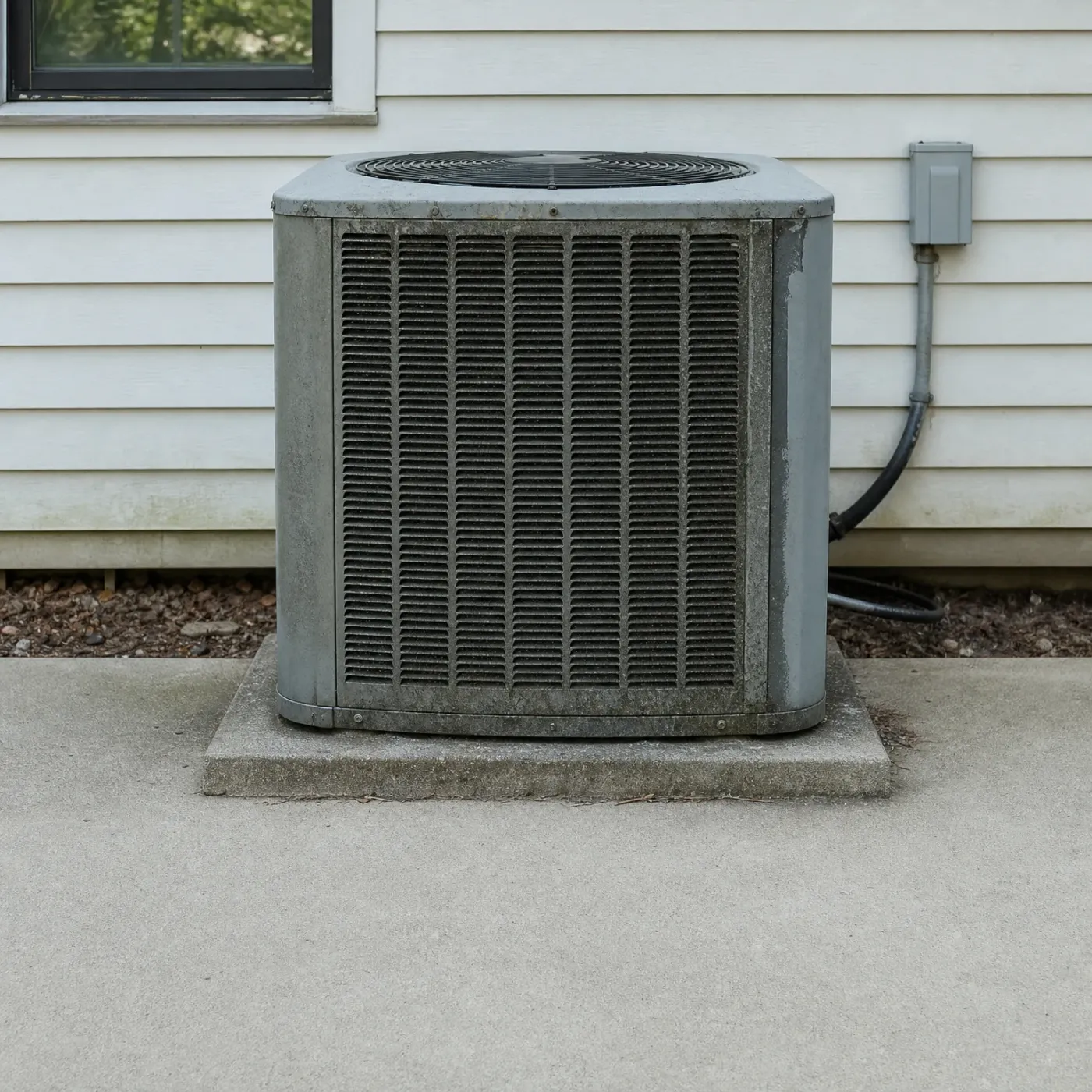
A gray outdoor air conditioning condenser unit on a concrete pad beside a house with light vinyl siding, with a gray electrical disconnect box and conduit on the wall to the right.
Dirt packed into the fins, mulch piled against the cabinet, or a unit that was always a little undersized will push into backup heat sooner, and backup heat is where the savings disappear.

What Carries the Coldest Nights

Heat pump alone

  • Once the outdoor temperature drops into the teens, the heat pump pulls less heat out of the air and has to run longer to keep up.
  • Below that point many systems bring on electric resistance backup, and that backup runs on straight electricity with none of the heat pump's efficiency.
  • With power priced the way it is in Pennsylvania, a stretch of backup heat running through a cold snap shows up on the bill.
  • A unit sized correctly for your house will lean on backup less, but no heat pump avoids it entirely once it gets cold enough.
  • How many hours a winter the backup kicks in depends on your specific system and how the cold snaps run that year.

Gas furnace backup

  • A furnace burns gas to make heat directly, so its output doesn't fall off when the temperature outside drops.
  • On the coldest nights a furnace can carry the house at a lower cost than electric resistance backup would.
  • Pairing a heat pump with a gas furnace means the system switches to gas only when the outdoor air gets too cold for the heat pump to work efficiently.
  • That switch point has to be set correctly for your house, or the furnace ends up running more than it needs to.
  • Most Pennsylvania homes already have a gas line in place, which is what makes this pairing straightforward to install.
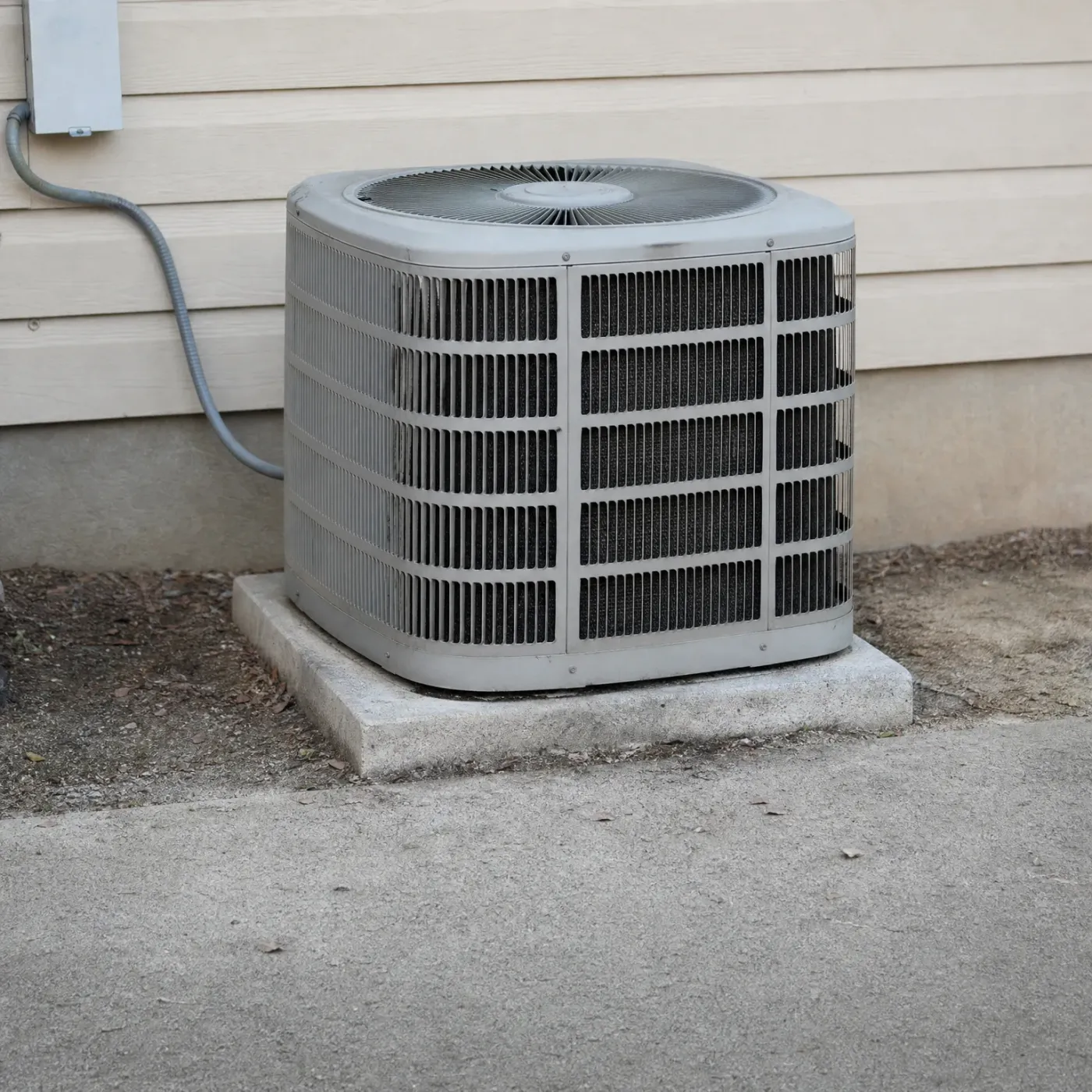
An outdoor air conditioner condenser unit on a concrete pad beside a house with beige horizontal siding, with conduit running from an electrical box on the wall.
Before you get your heat pump installation
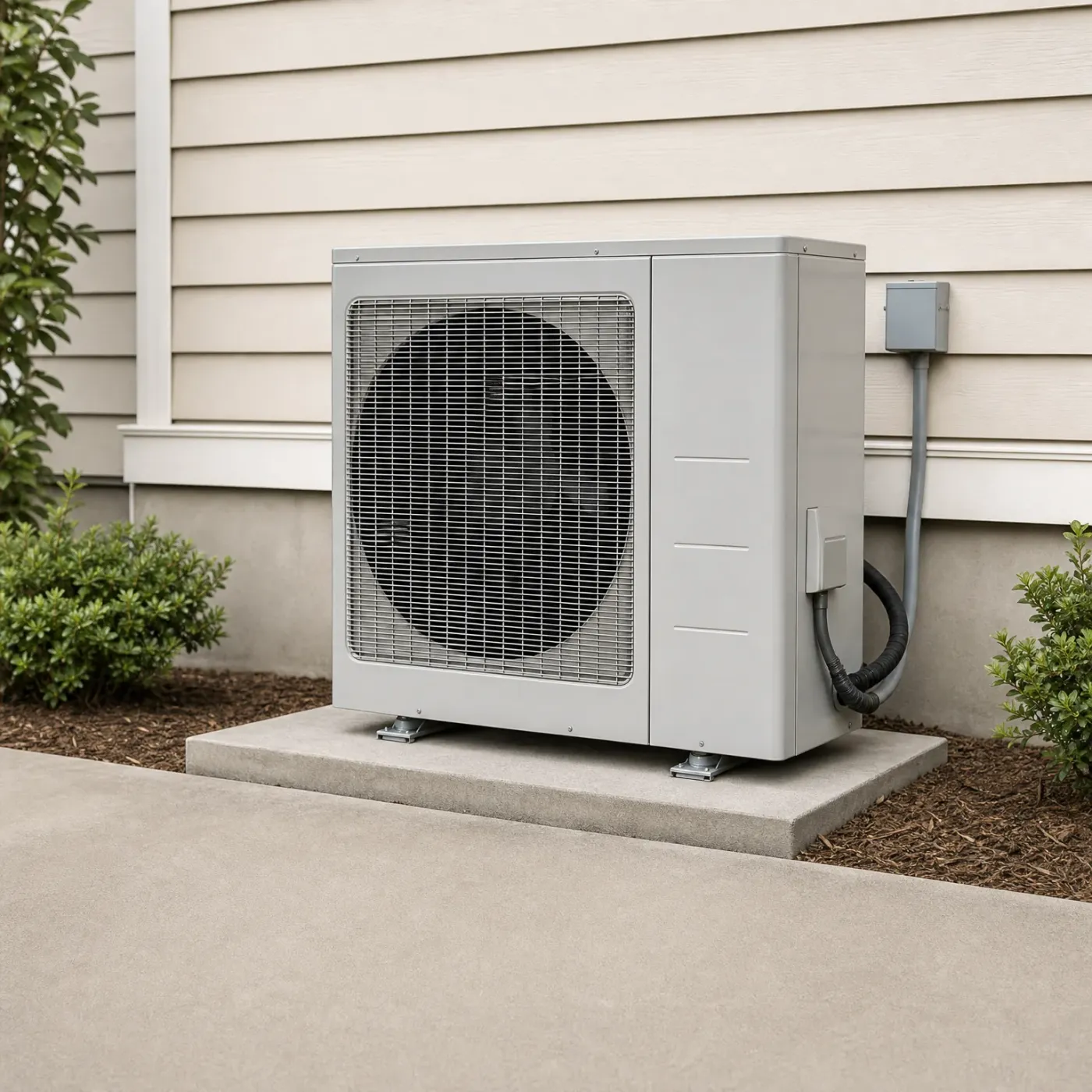
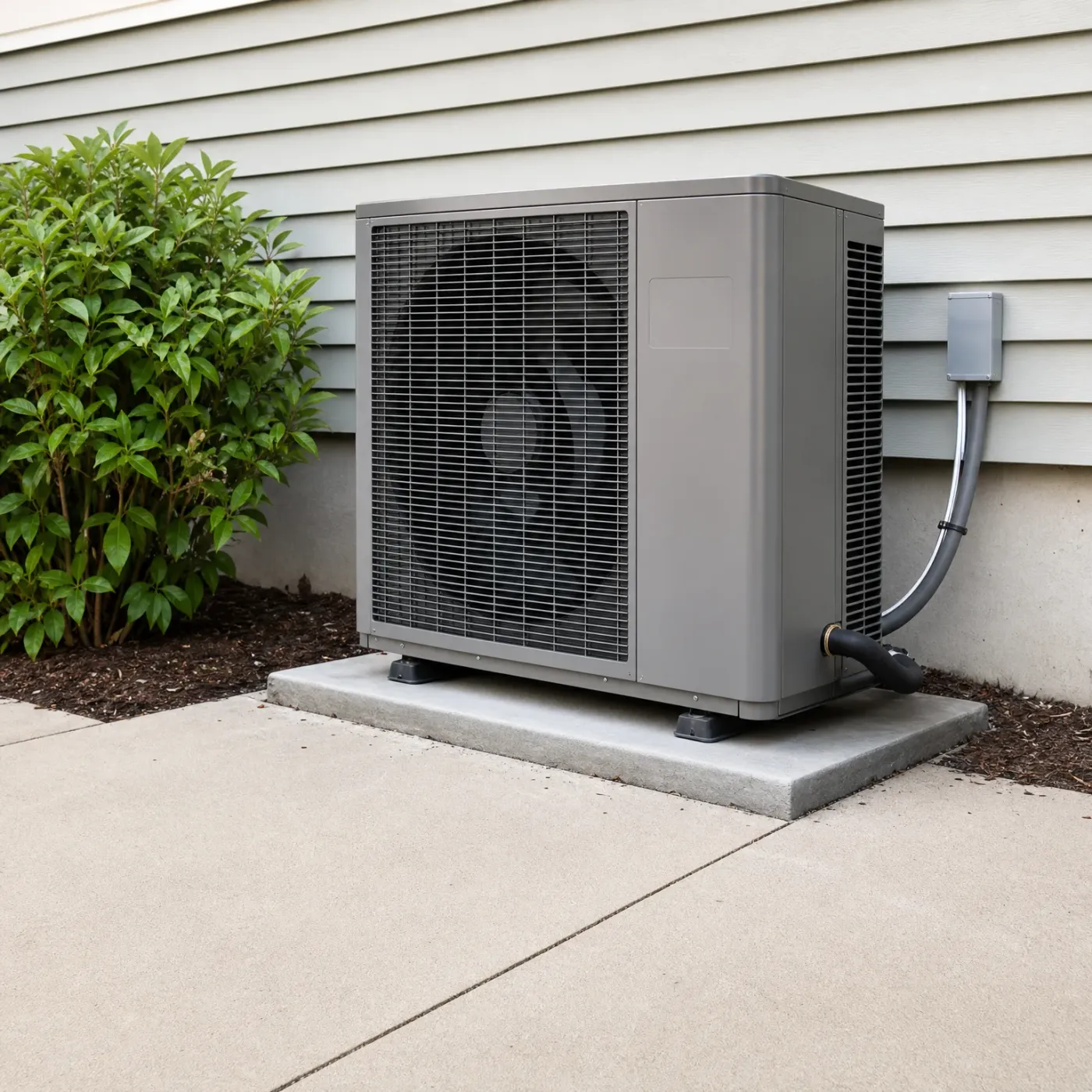
A gray outdoor heat pump unit on a concrete pad beside a house with horizontal lap siding, connected by conduit and a flexible line to a wall-mounted disconnect box, with low shrubs and mulch nearby.
After you get your heat pump installation
  1. The outdoor unit pulls heat energy out of the cold outside air

  2. Refrigerant carries that heat inside through the copper line set

  3. The indoor coil releases the heat into the air moving through your ducts

  4. A reversing valve flips the cycle to pull heat from indoors in summer

A woman with shoulder-length dark brown hair in a cream knit cardigan sits in an upholstered armchair beside a window, looking off to the side, with a white bookshelf and potted plant blurred behind her.
A woman with her hair in a bun sits wrapped in a beige knitted blanket on a couch, holding a sleeping child against her chest in a warmly lit room with a lamp and houseplant in the background.
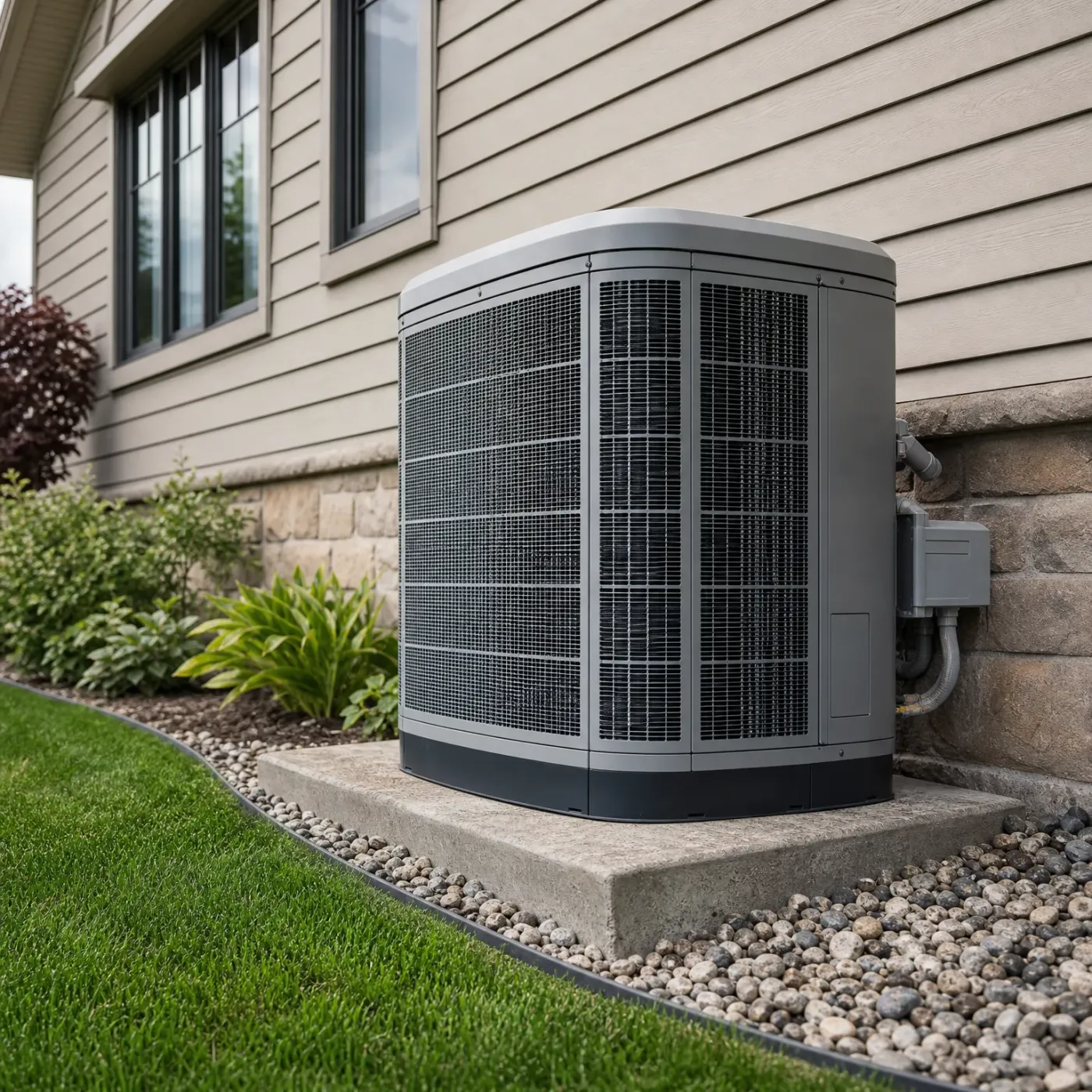
A gray outdoor condenser unit on a concrete pad beside a house with horizontal lap siding and a stone foundation, with a lawn, shrubs and decorative gravel nearby.

Skip the calls to every shop

Only one pro gets your request, so you hear from one company.

Describe the project once instead of to every installer.

Find a licensed pro

It costs nothing to send, and you don't have to hire anyone.

How does a heat pump actually end up cheaper than my gas furnace?

You've heard a heat pump can cost less to run than gas, but it still seems backward. Gas burns hot and direct. Electric resistance heat is expensive in Pennsylvania, and you know that from your bill. So it's fair to wonder how a heat pump gets around that and actually comes out ahead of the furnace sitting in your basement.

It moves heat instead of making it

A gas furnace makes heat by burning fuel. A heat pump doesn't make heat at all. It pulls heat that's already in the outside air and moves it inside, the same way the outdoor unit on an air conditioner moves heat the other direction in July. Moving heat takes far less energy than generating it, so for every unit of electricity the heat pump uses, it delivers several units of heat into your ducts. That ratio is what lets it beat gas on cost even with Pennsylvania's electric rates, as long as the outdoor air still has enough heat in it to pull from. Below a certain temperature, that ratio drops and the math changes.

A gray outdoor heat pump unit on a concrete pad beside a house with horizontal lap siding, with a conduit running to a wall-mounted disconnect box and a green shrub to the left.

Running the way it should

A unit set clear of the siding with nothing crowding it draws air the way it was designed to. The coil fins stay open, the disconnect box is easy to reach, and the system can pull the heat it needs out of the outside air without a fight.

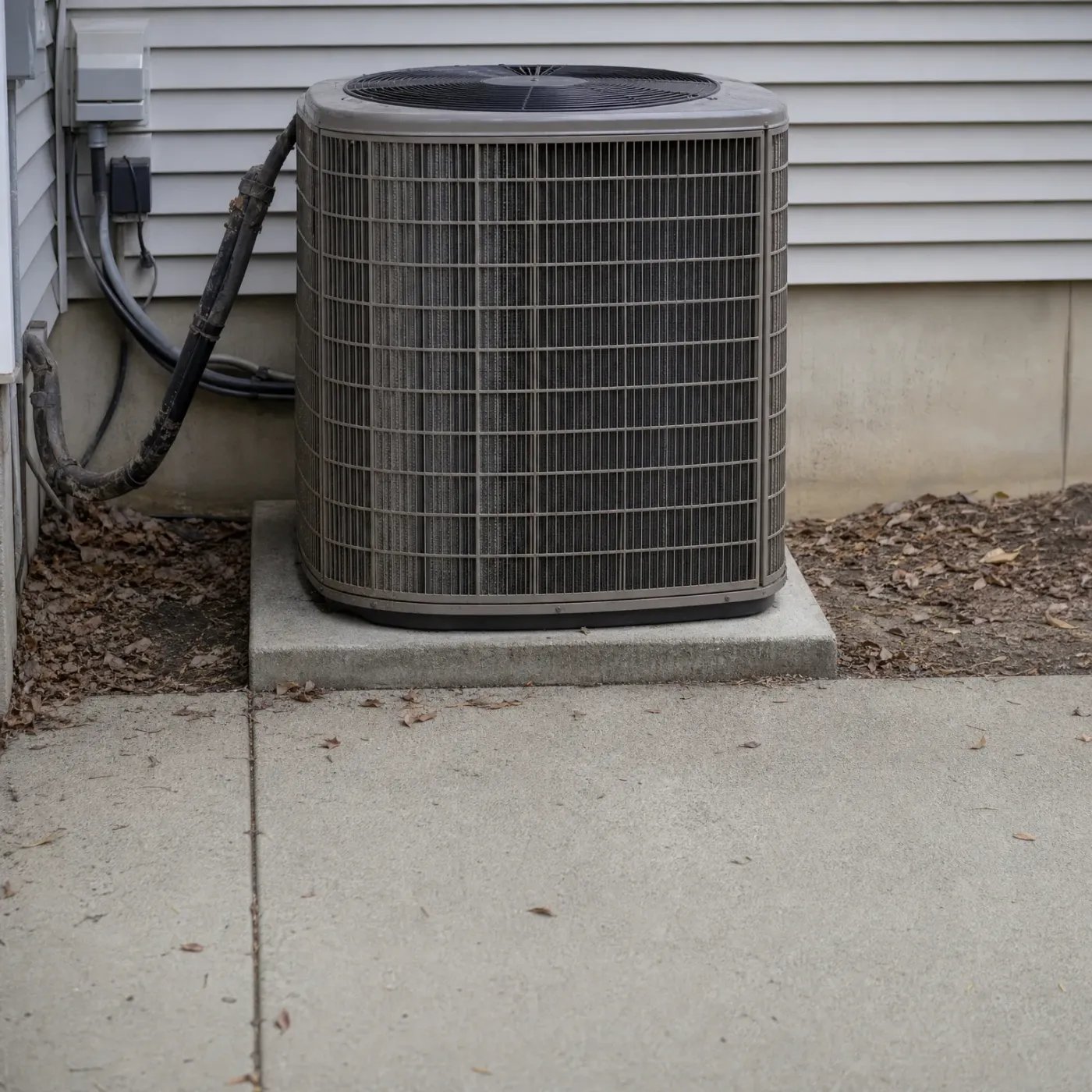
An outdoor air conditioner condenser unit on a concrete pad beside a house with horizontal vinyl siding, with refrigerant lines and an electrical disconnect box on the wall and dry leaves on the ground.

Running into trouble

Dirty coil fins and leaves packed against the base choke off airflow before the refrigerant ever gets a fair shot at the outside air. The unit works harder for less heat, and on a cold night that's the difference between keeping up and falling back on backup heat.

Power costs 19.29 cents per kilowatt-hour statewide

At that rate, every kilowatt-hour your heat pump pulls from the outside air instead of burning as gas is worth less than it would be in a cheaper state. It still wins most of the year, but on the coldest days, when backup heat kicks in, that rate shows up fast on the bill.

EIA-861 2025 statewide residential average

Where You Stand Now

  • A heat pump costs less to run than gas in Pennsylvania most months, and more only on the coldest nights when backup heat takes over.
  • Where that line falls depends on how the system was sized and installed, not just on the equipment itself.
  • A unit sized for your house and set up with clear airflow spends more hours running cheap and fewer hours leaning on backup heat.
  • A contractor who works on heat pumps in this area through a full Pennsylvania winter knows where they typically struggle and where they hold up.
  • Matching with one licensed local contractor means one conversation about your system, not several quotes to sort through from companies that don't know your house.
  • The equipment decides most of the outcome before the thermostat ever gets touched.

The answer holds up. A heat pump costs less to run than gas through most of the Pennsylvania year, and it only gives up that edge on the coldest nights, when backup heat takes over and the rate per hour changes. What's left to settle isn't the technology, it's the install. Two homes with the same heat pump can land on different sides of that line depending on whether the unit was sized for the house, whether the airflow around it was left clear, and whether it was set up to lean on backup heat only when it actually has to.

That's the part equipment specs can't tell you and a search result can't either. It takes someone who's worked on heat pumps around here through a full winter, who knows which models hold up when the temperature drops into the teens and which ones end up running backup heat more than they should. A contractor like that has already seen how your house's situation plays out in someone else's, because that work repeats every January here.

Getting matched with one licensed local contractor means you explain your house once, to someone who already knows the region, instead of fielding calls from a handful of companies and starting the explanation over each time. The equipment is most of the outcome. The install decides whether you get the benefit of it.

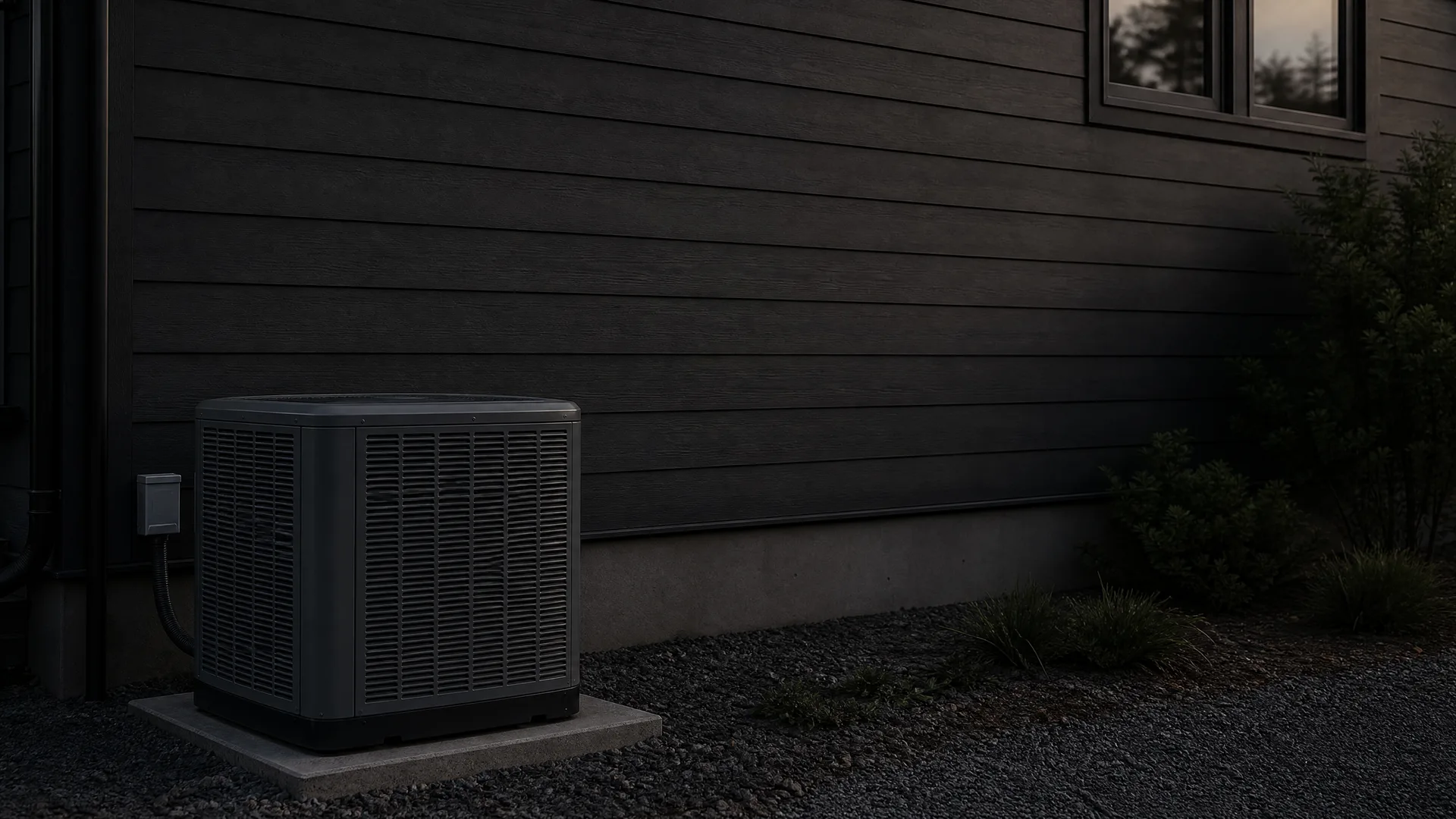
An outdoor condenser unit on a concrete pad beside a dark horizontal-lap-sided house, with gravel, shrubs and a small electrical disconnect box on the wall, in dim light.

Skip calling around

Your request stays with one local pro.

Step 1 of 3: Equipment