Repair
A single part failure, like a capacitor or reversing valve, on a unit still under 10 years old usually gets you back to normal cooling and heating for the cost of that part.
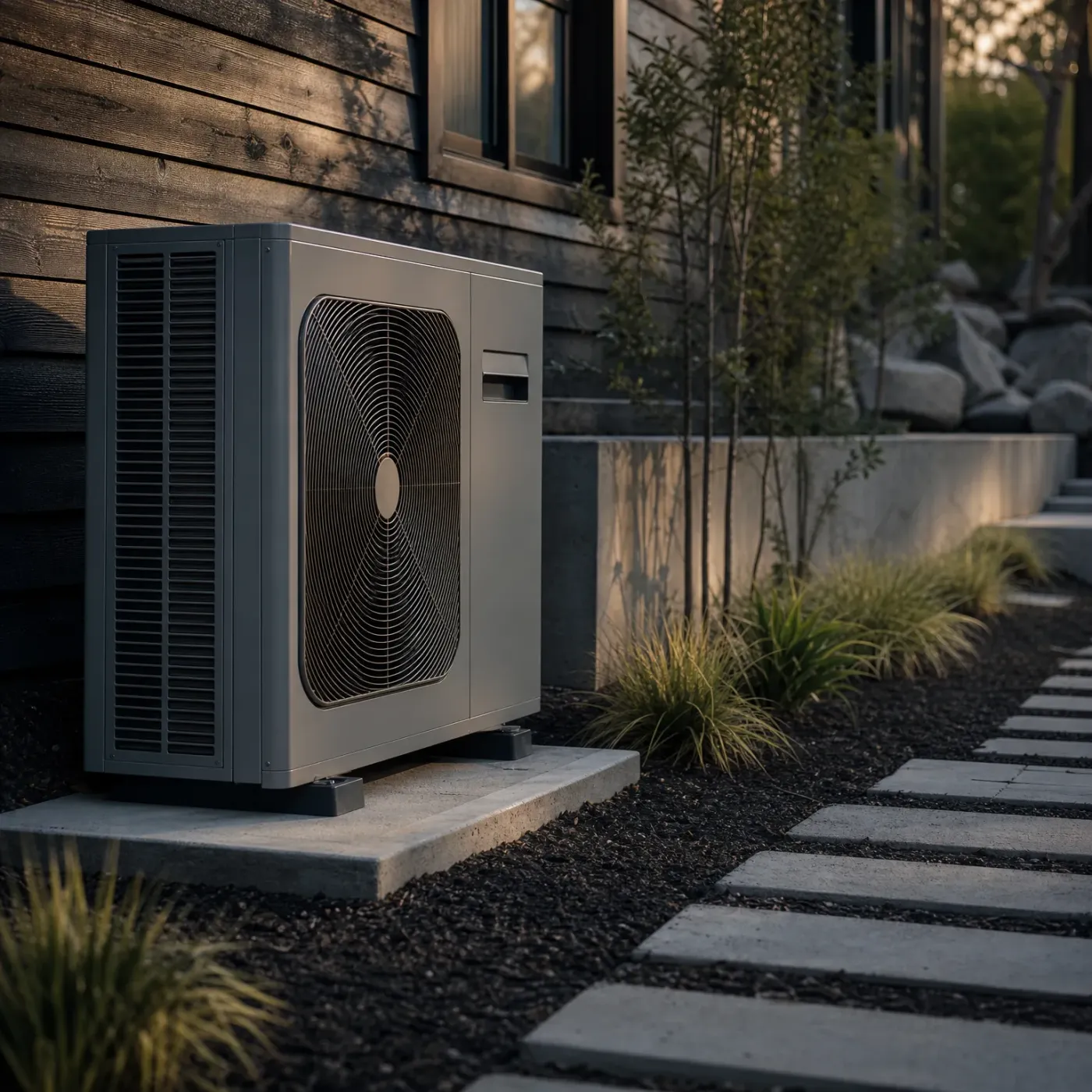
Skip calling around
Your heat pump is struggling to keep up, or it's old enough that you're wondering if a repair is worth it. With Pennsylvania's humid summers and electric rates what they are, that question matters more here than most places. This page gets into when a repair makes sense and when it doesn't, so you're not stuck calling around to different companies and repeating yourself just to get a straight answer.
Describe it onceMost of the time, a heat pump that's struggling is worth repairing, especially if it's under 10 years old and the problem is a single part: a bad capacitor, a stuck reversing valve, a low refrigerant charge. Past that age, the math starts to shift. A heat pump works harder in Pennsylvania than it would somewhere milder, because it has to cool your house through sticky summers and also carry real heating load in winter, and most homes around here lean on gas furnaces for backup rather than asking the heat pump to do that alone. That double duty wears on the compressor faster than cooling-only use does. If yours is 10 to 15 years old and the repair bill is climbing toward what a new system costs, or if it's already needed a couple of repairs in the past year or two, replacement usually pays you back faster than another patch job. Under 10 years old with one clear failure, repair is almost always the right call.


A heat pump runs in both directions all year, cooling the house in summer and pulling heat out of the outside air all winter. That double duty wears on the compressor and the reversing valve faster than a furnace or an AC unit that only runs half the year. Most heat pumps are built to last 10 to 15 years. Past year 10, a repair bill has to compete against a machine that's closer to the end than the beginning. A new reversing valve or compressor on a 12 year old unit fixes today's problem but does nothing for next year's.
If your heat pump is under 10 years old, a repair is usually buying you several more years of normal operation, not just patching through the summer. A capacitor, a contactor, a low refrigerant charge from a slow leak, these are common failures that don't point to the rest of the system failing too. Pennsylvania's electric rates make efficiency worth protecting, and a heat pump that's losing refrigerant or straining its compressor is pulling more power to do the same job. Fixing the specific part restores the output and the efficiency you paid for when it was installed.




A single part failure, like a capacitor or reversing valve, on a unit still under 10 years old usually gets you back to normal cooling and heating for the cost of that part.
Past 10 years, or with a failing compressor, a new heat pump runs on the refrigerant and efficiency standards current units use, which matters with Pennsylvania's electric rates.
You've probably noticed your heat pump does something a furnace never does: it blows warm air in January and cold air in July out of the same unit. If a contractor tells you the reversing valve is stuck, it helps to know what that part actually does and why it's often the thing that fails first, especially after your unit has been running both directions for several winters and summers.
A heat pump has one refrigerant loop, and a reversing valve decides which way it flows. In summer, it sends refrigerant so the outdoor coil absorbs heat from the air outside and the indoor coil releases it into the house, run backward from how an AC works to cool it. In winter, the valve flips, and the outdoor coil pulls what little heat is in the cold outside air while the indoor coil gives it up inside. That valve is a solenoid-operated slide, and it's mechanical, so it wears with every switch. On a unit that's cycled through several Pennsylvania winters and muggy summers, a reversing valve that sticks in one position is one of the more common reasons a heat pump stops heating or cooling the way it used to.
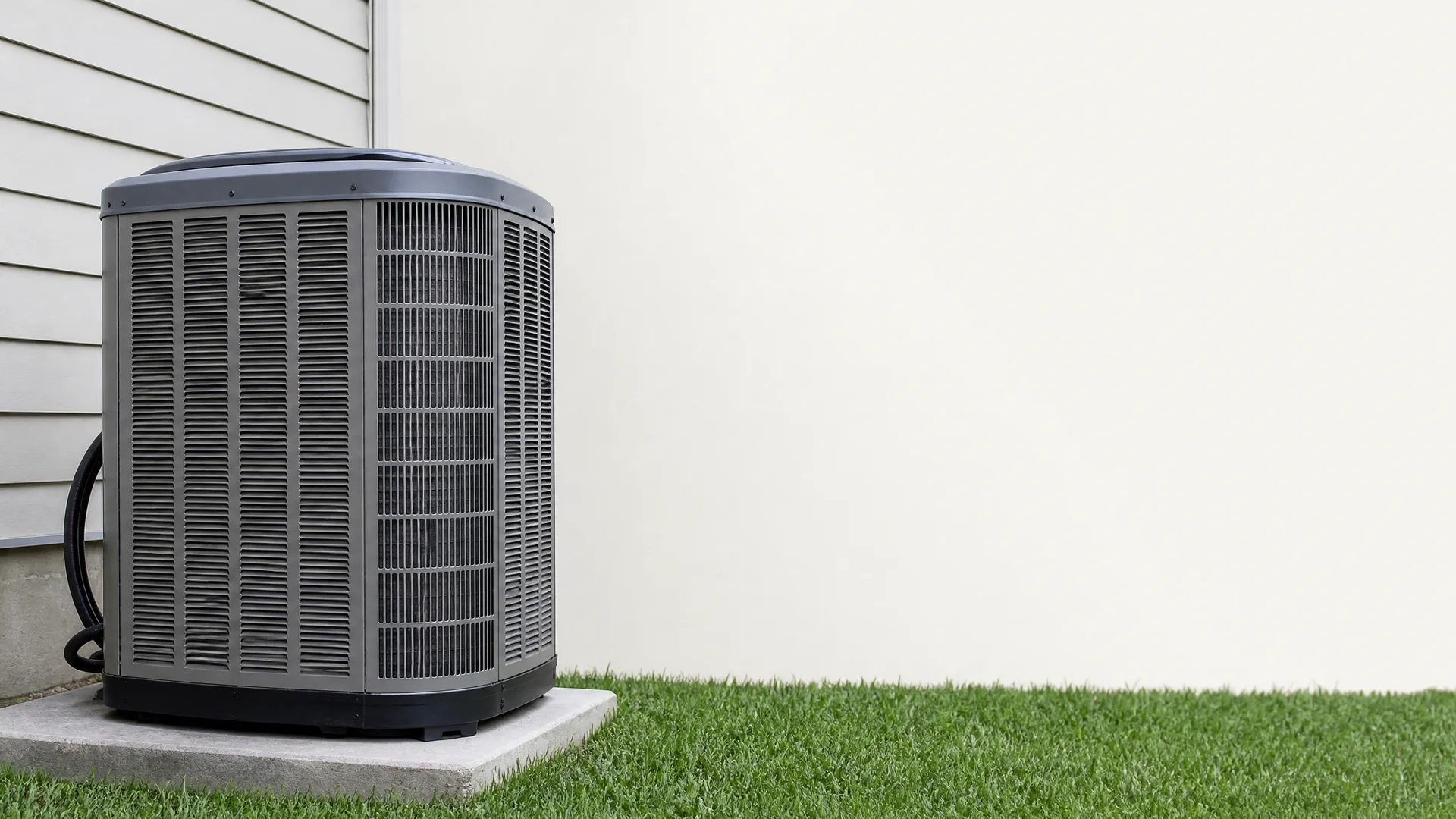
A heat pump that's losing its grip runs longer to hit the same temperature, and in Pennsylvania that shows up fast on an electric bill. You'll notice the house takes longer to cool off on a sticky August afternoon, or the air coming out of the vents in January feels lukewarm instead of warm. If it's leaning on backup electric heat strips to keep up, that's the most expensive way to heat a house there is, and you'll see it in the bill before you see it anywhere else.
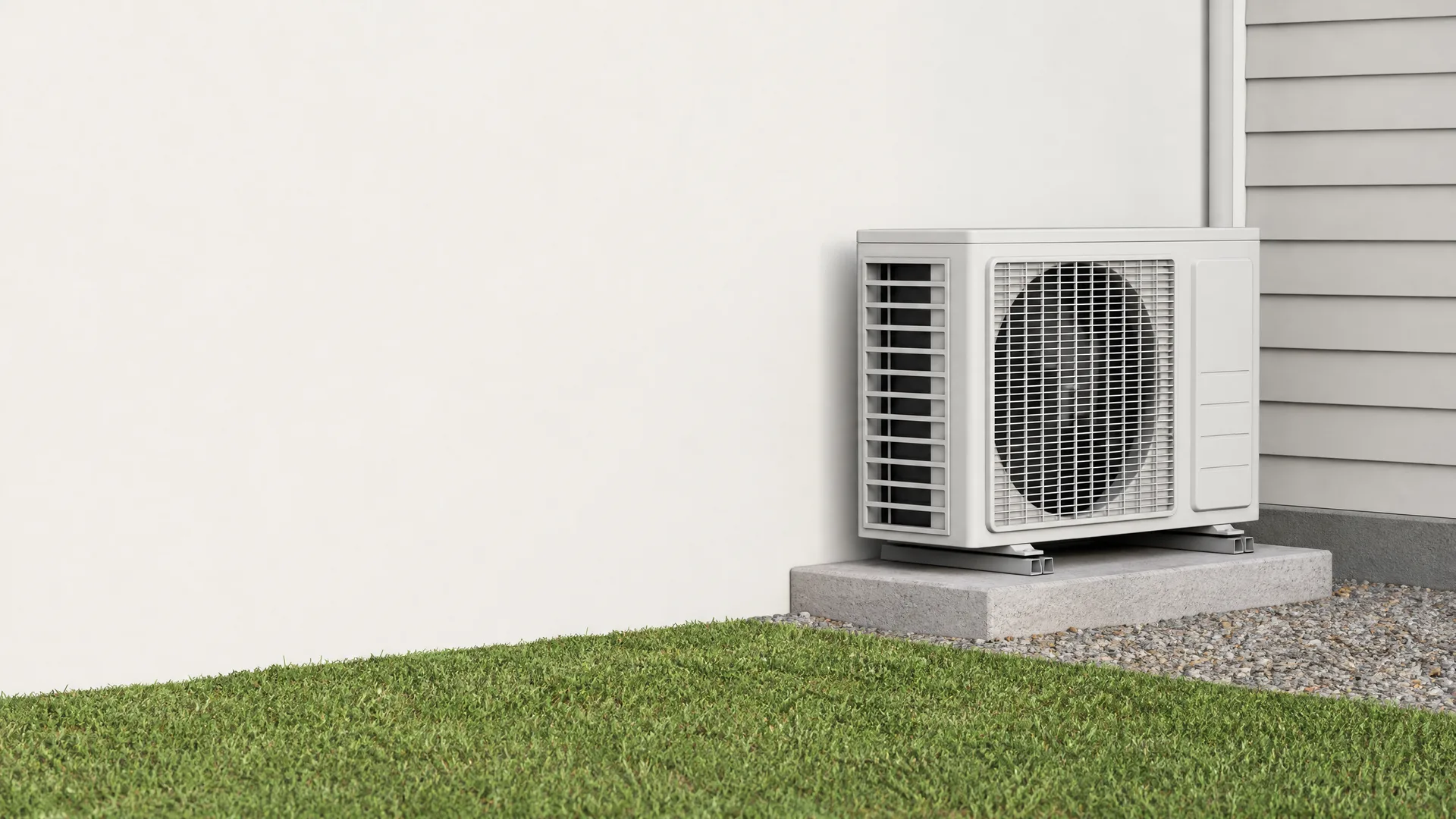
A reversing valve that's starting to stick usually doesn't fail all at once. It'll work some days and not others, or it'll get slower to switch between heating and cooling. Put off the repair and you risk it sticking for good, usually at the worst time, a July heat wave or a January cold snap. A compressor on its way out can take the whole unit with it if it seizes, turning a repair into a full replacement you didn't plan for.
You might hear the outdoor unit click on and off more than it used to, or run long stretches without the house actually cooling down. In summer it blows air that feels less cold than it should. In winter you might notice it blowing cool air instead of warm, or running non-stop while the house stays chilly. Some units ice over on the coil and don't defrost like they're supposed to. You might hear a hum with no fan movement, a buzz from the outdoor unit, or a clunk when it tries to switch between heating and cooling. If you've put off looking at any of this, the compressor is the part that pays for it. A compressor that's been straining for months fails outright a lot sooner than one that gets looked at when the trouble starts.
The thermostat calls for heat or cooling, not just on or off
A reversing valve shifts to decide which direction refrigerant flows
The outdoor coil either absorbs heat or releases it
The compressor pressurizes refrigerant to move that heat indoors or out
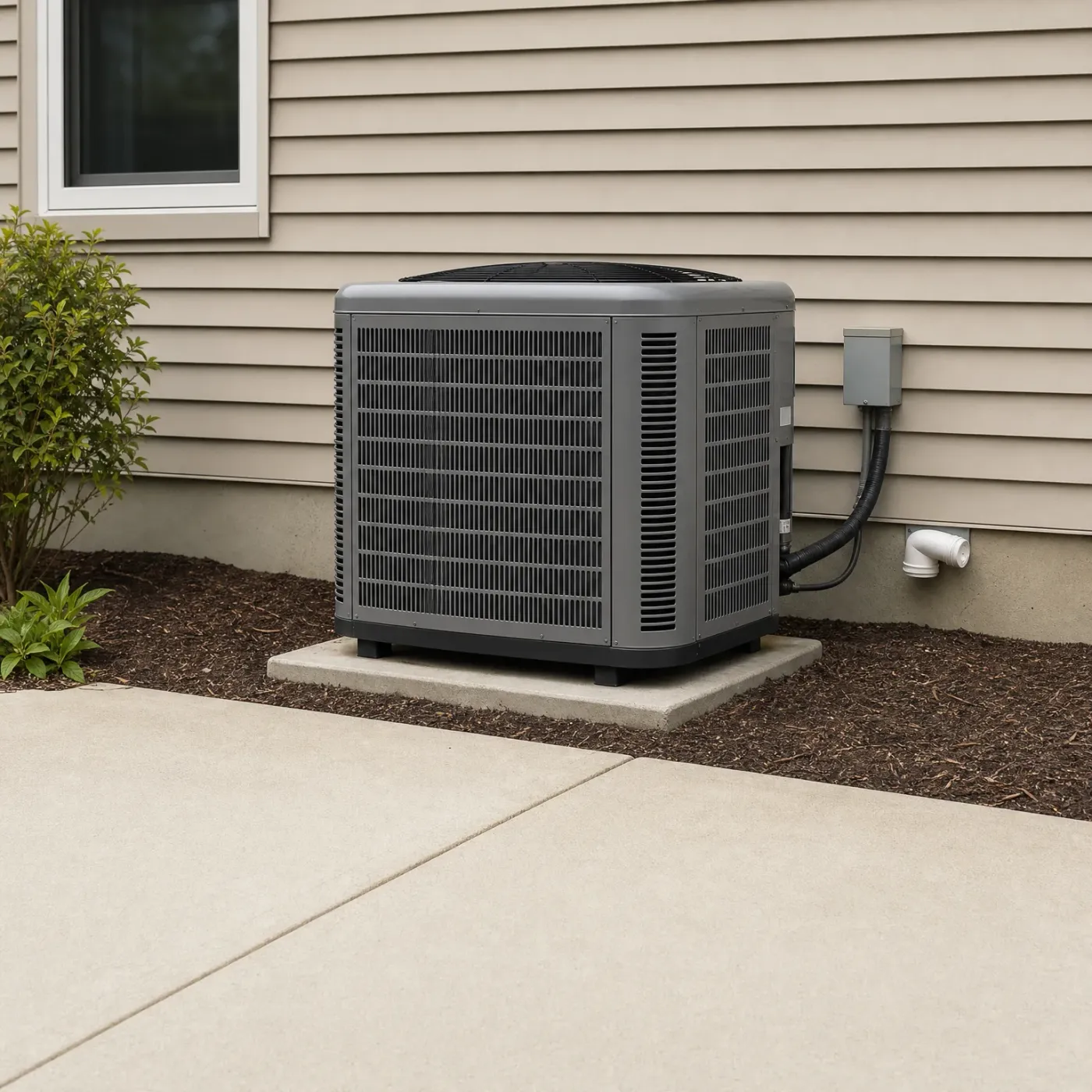
Once you've got a sense of whether your heat pump needs a part or a whole new system, the next job is finding someone to actually do it. That usually means searching around, calling a few places, explaining the same thing about the reversing valve or the compressor two or three times, then waiting on quotes to compare. This request goes to one licensed Pennsylvania contractor who works on heat pumps all year, through muggy summers and cold snaps, and knows what tends to fail on a unit like yours at whatever age it's at. You're not fielding calls from five companies trying to win the job. With electric rates here what they are and a heat pump that's already struggling, the sooner someone qualified looks at it, the sooner you stop paying to run a system that's losing the fight against the weather.
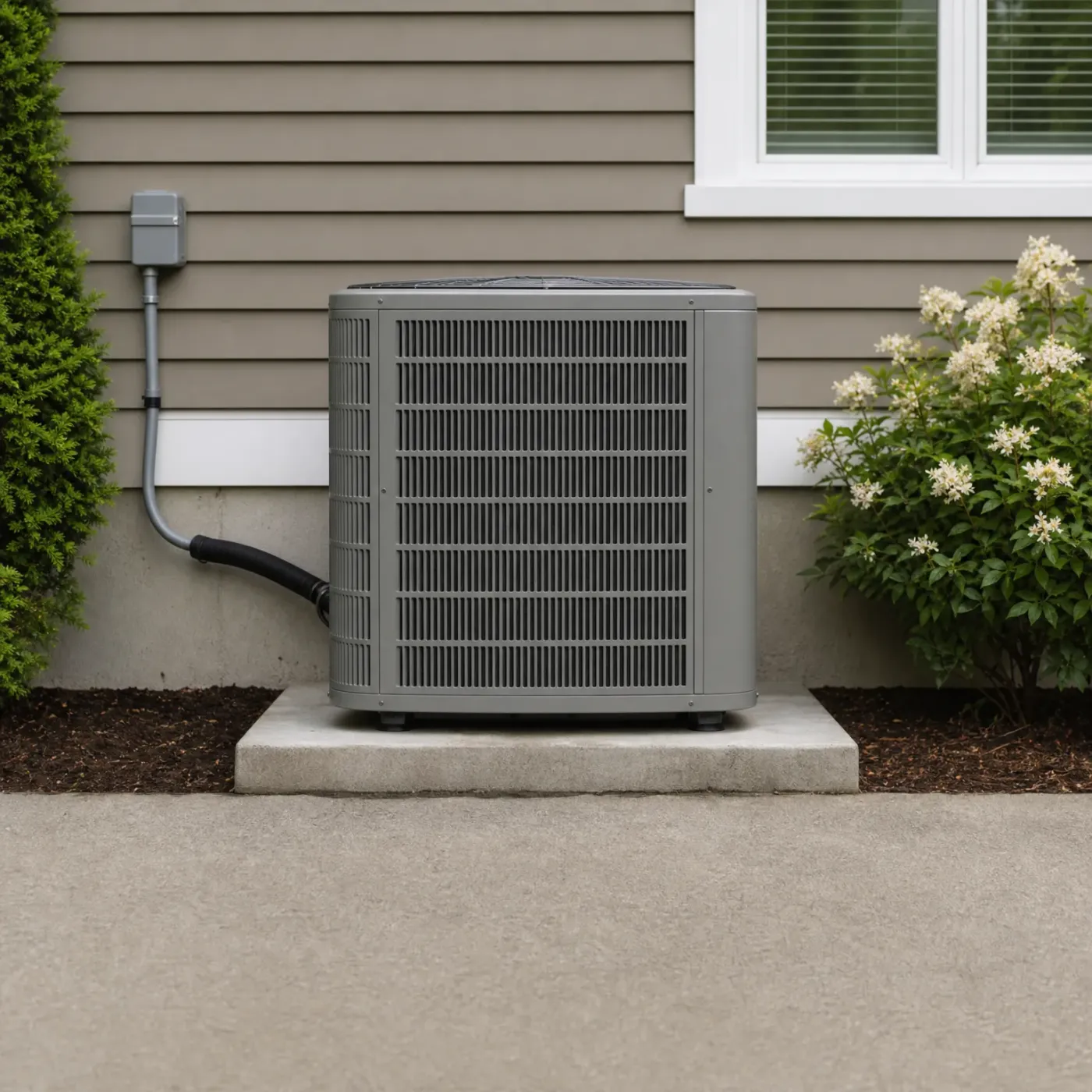
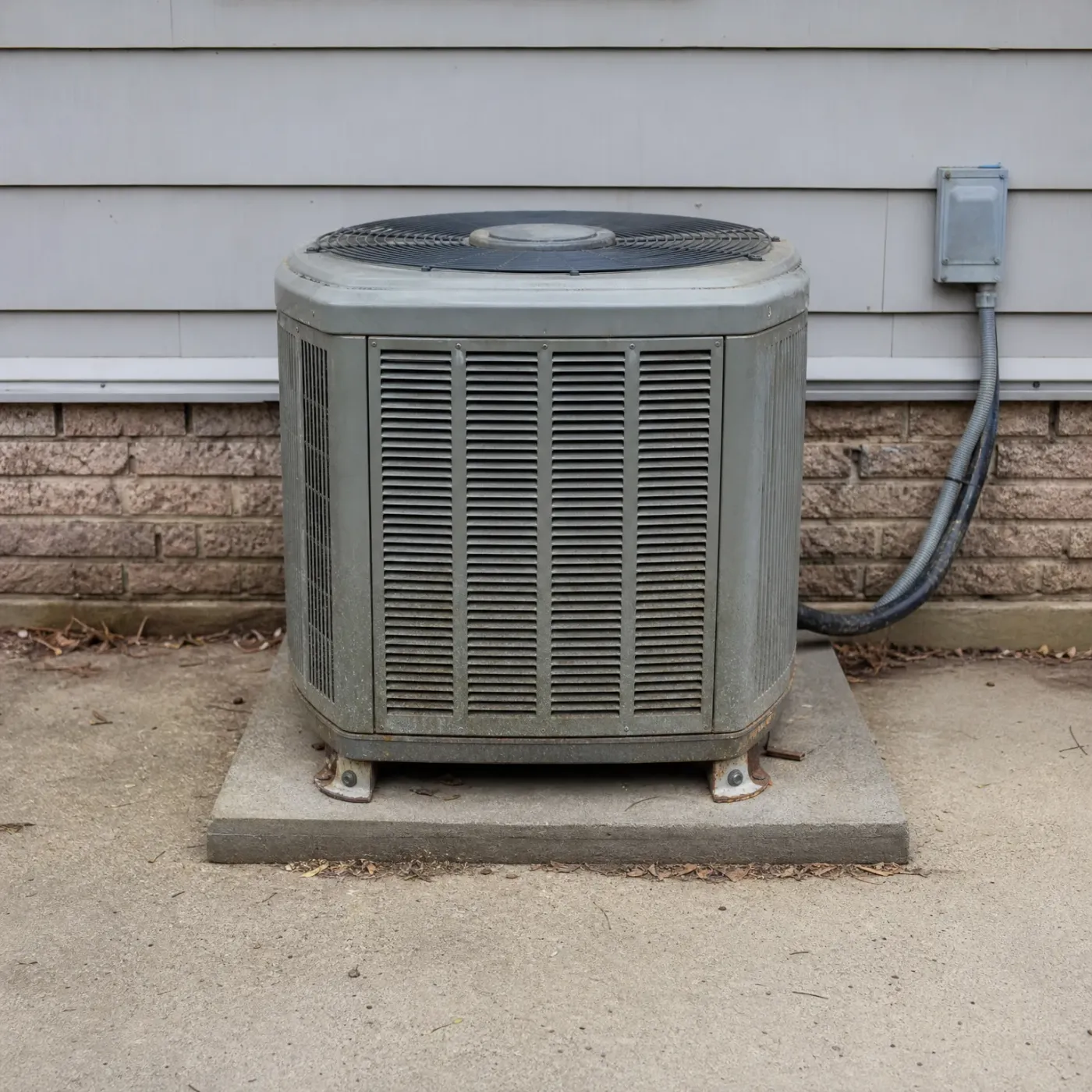
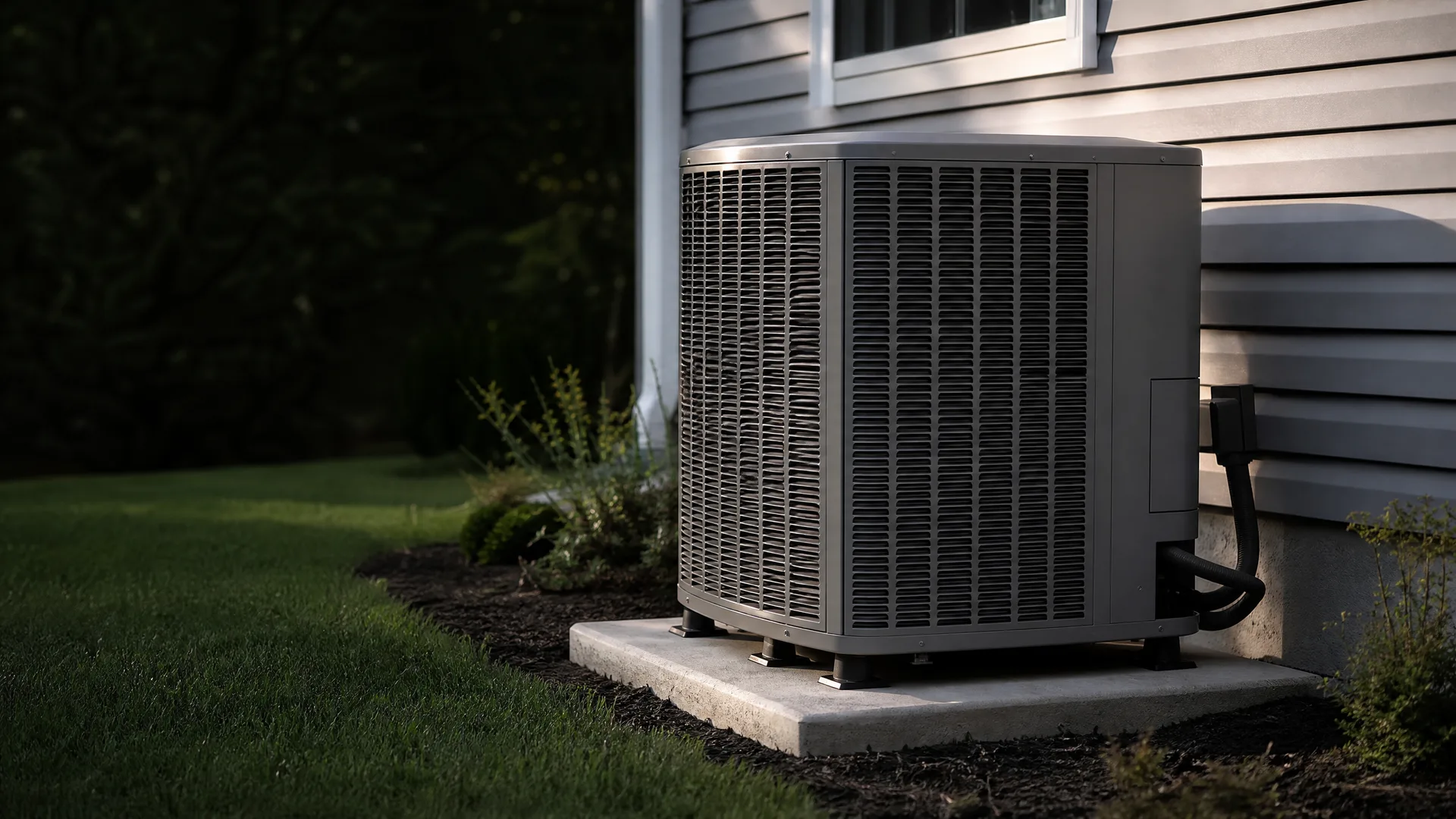
A heat pump in good shape sits quiet on its pad, cycling on and off at reasonable intervals, the fins clean enough that air moves through them freely. It keeps up with a muggy Pennsylvania afternoon without running nonstop, and switches over for winter without a fuss.
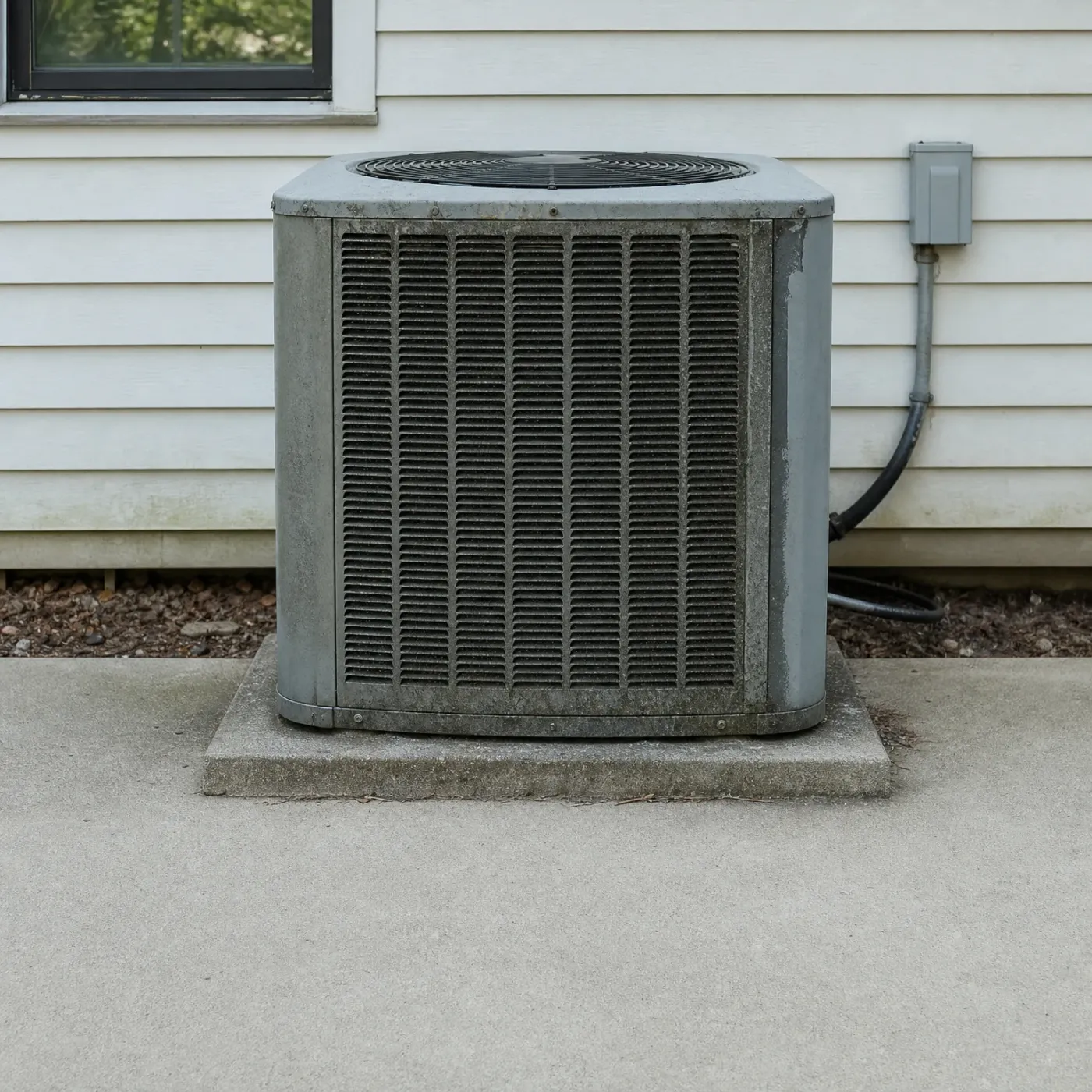
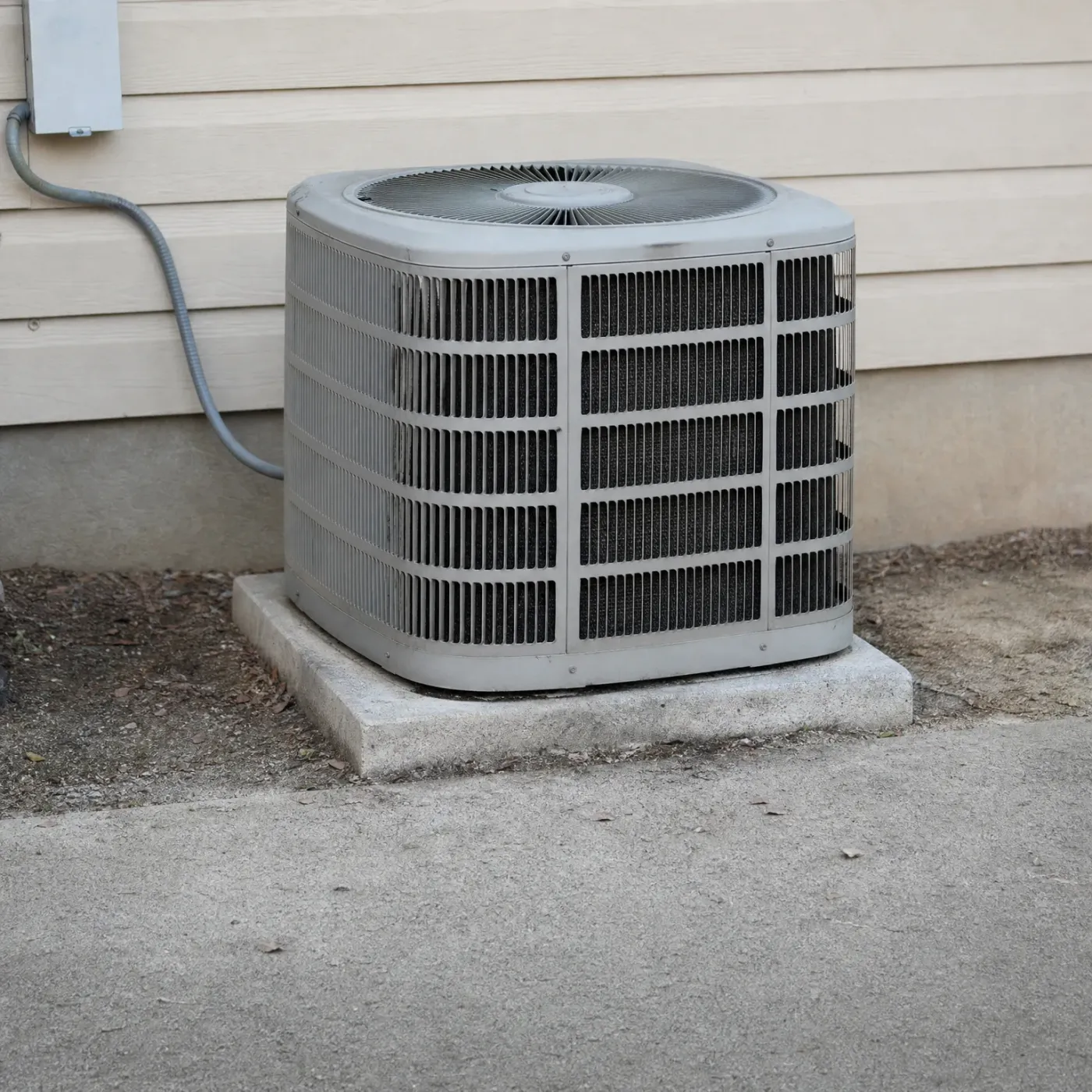
Dirt packed into the fins like this blocks the airflow the unit needs to release heat in summer and pull it in winter. That coil can't do its job caked over, so the compressor runs longer and harder just to get the same result.
At 19.29 cents per kilowatt-hour, every extra hour your heat pump runs to keep up shows up on the bill fast. A unit that's lost efficiency doesn't just cool poorly, it costs more to run poorly, which is part of why replacing an older one often pays for itself over time.
EIA-861 2025 statewide residential average
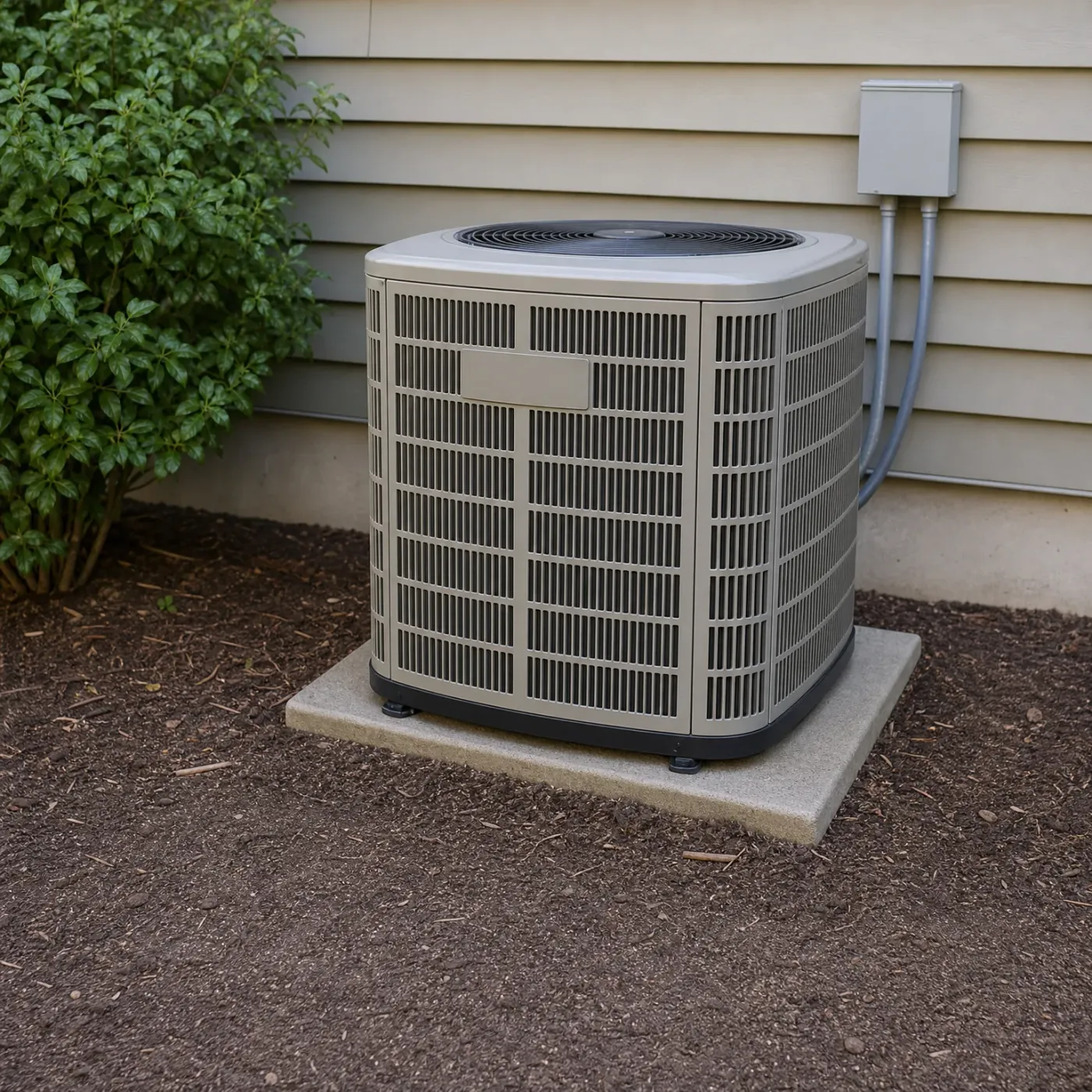
That muggy feeling you get stepping outside in July isn't just the temperature. Averaged across the state, the summer dew point in Pennsylvania runs 61°F, high enough that the air holds a lot of moisture for your heat pump to pull out along with the heat. That's double duty on the system, and it's why the house can feel sticky even after the thermostat says it hit the set temperature. A heat pump that's lost some capacity will cool the air some but leave the moisture behind, so the room reads cool but still feels damp. Source: regional climate averages for Pennsylvania.
NASA POWER T2MDEW county cells weighted by homes

A single failed part on a heat pump under 10 years old is a repair. A compressor on its way out, or a unit past that age, is a replacement. That's the whole decision, and most of what's needed to make it is a straight look at the unit by someone who can tell the difference.
Finding that person is its own task. You'd normally be searching around, calling a few places, saying the same thing about the clicking outdoor unit or the warm air in July to each one, then sitting with a stack of quotes trying to tell them apart. Request help through this page and that part is done. You're matched with one licensed Pennsylvania contractor who works on heat pumps all year, not several companies competing for your callback.

One form, no calling around