

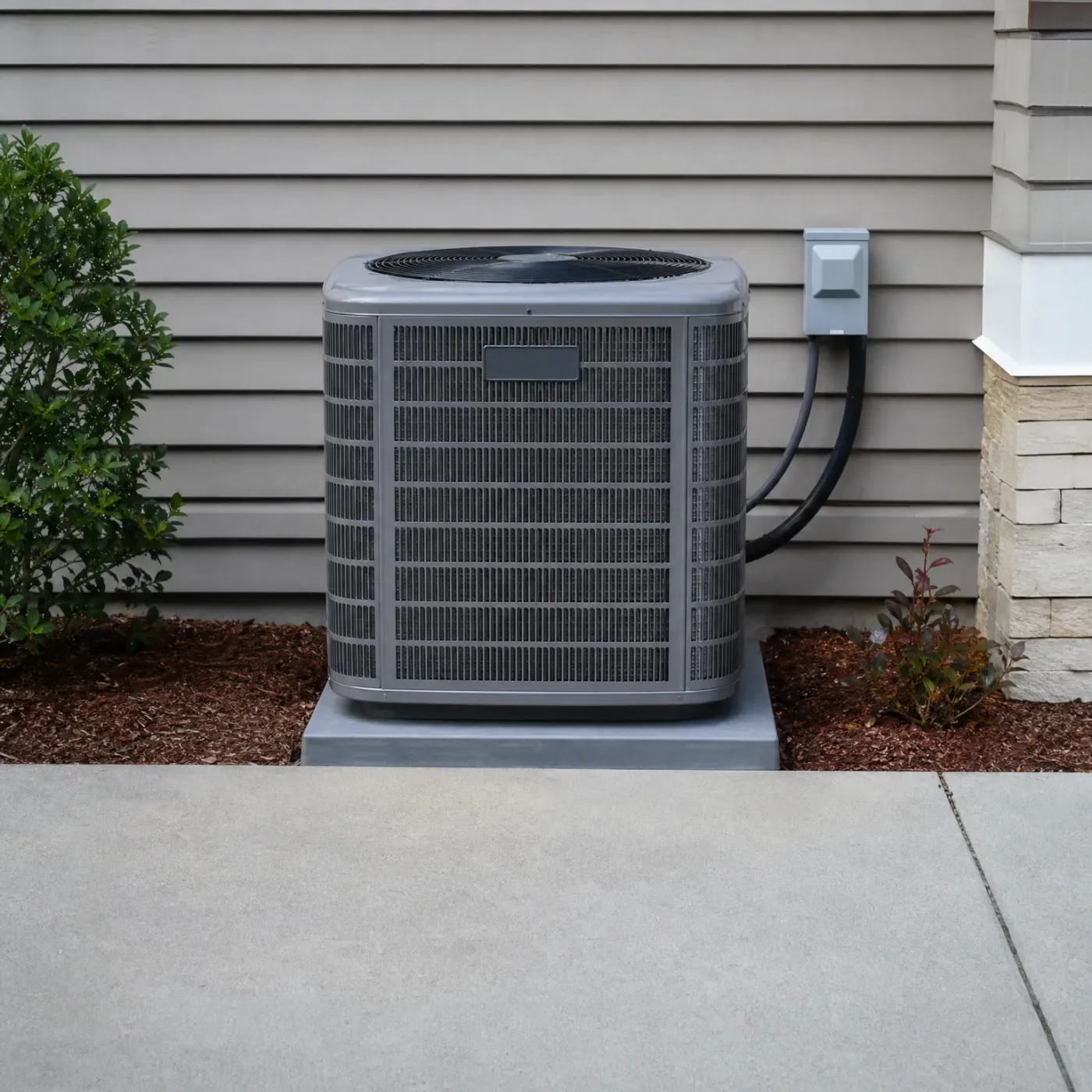
Maintained heat pump
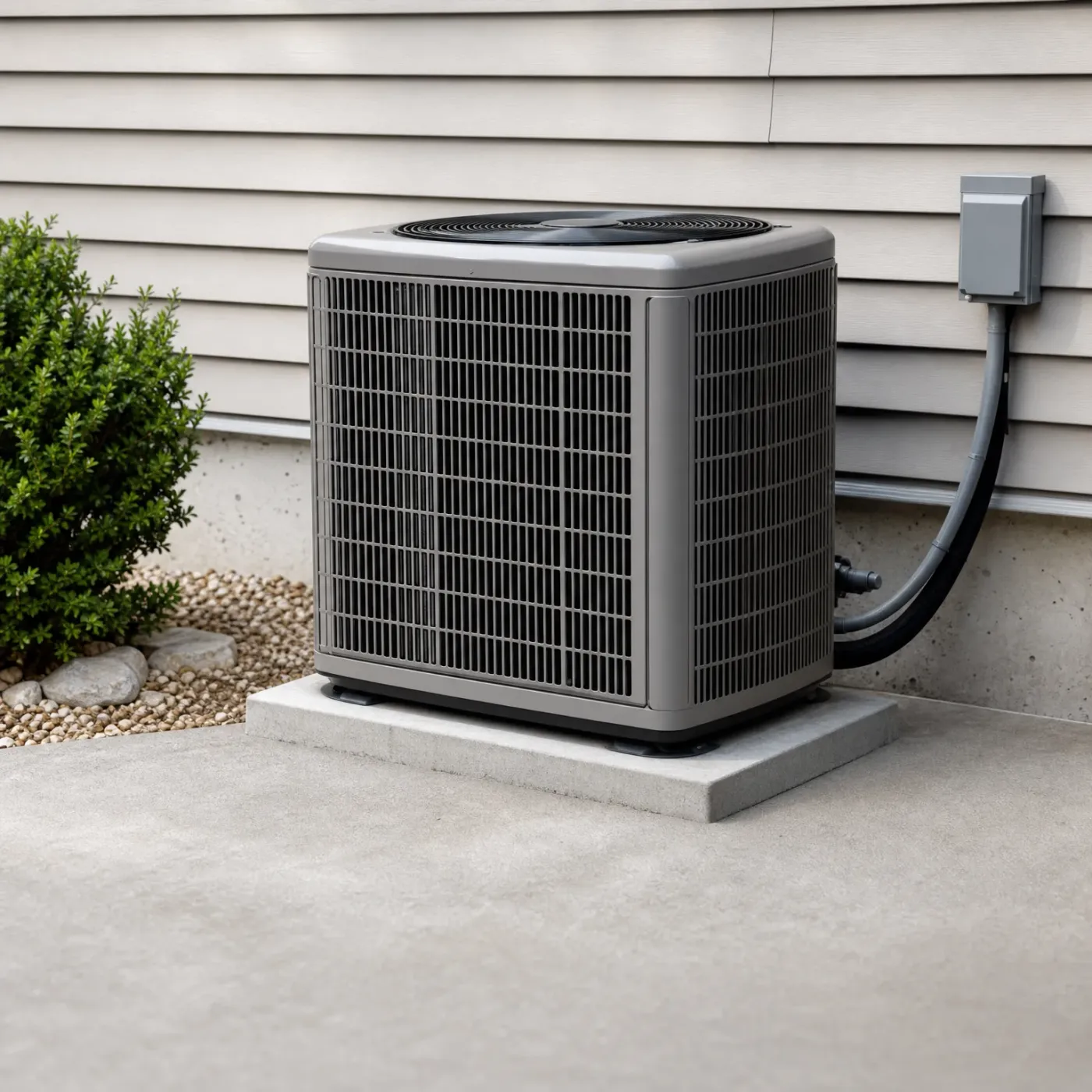
This one gets looked at twice a year. The coil stays clean, the charge is right, and the disconnect and conduit are in good shape. It runs the way it did the day it was installed, through a sticky July and a cold January both.
Your heat pump works twice as hard as a furnace would, since it's both your heat and your AC. You want to know what you're actually paying for before a contractor shows up, not just a vague promise that someone will "check the system." With Pennsylvania power rates what they are, a tune-up that actually catches a problem early is worth knowing about in plain terms.
A technician checks the refrigerant charge, since too little or too much makes the compressor work harder in both directions. They clean the outdoor coil, which collects dirt and cuts how well the unit can move heat in or out. They check the indoor coil and the blower, test the defrost cycle so the outdoor unit doesn't ice over in January, and check the electrical connections and the capacitor that gets the compressor started. Because a heat pump is running through a Pennsylvania summer and a Pennsylvania winter both, a tune-up here means checking it in both modes, not just one. A unit that only gets checked for cooling can still fail you the first cold night.




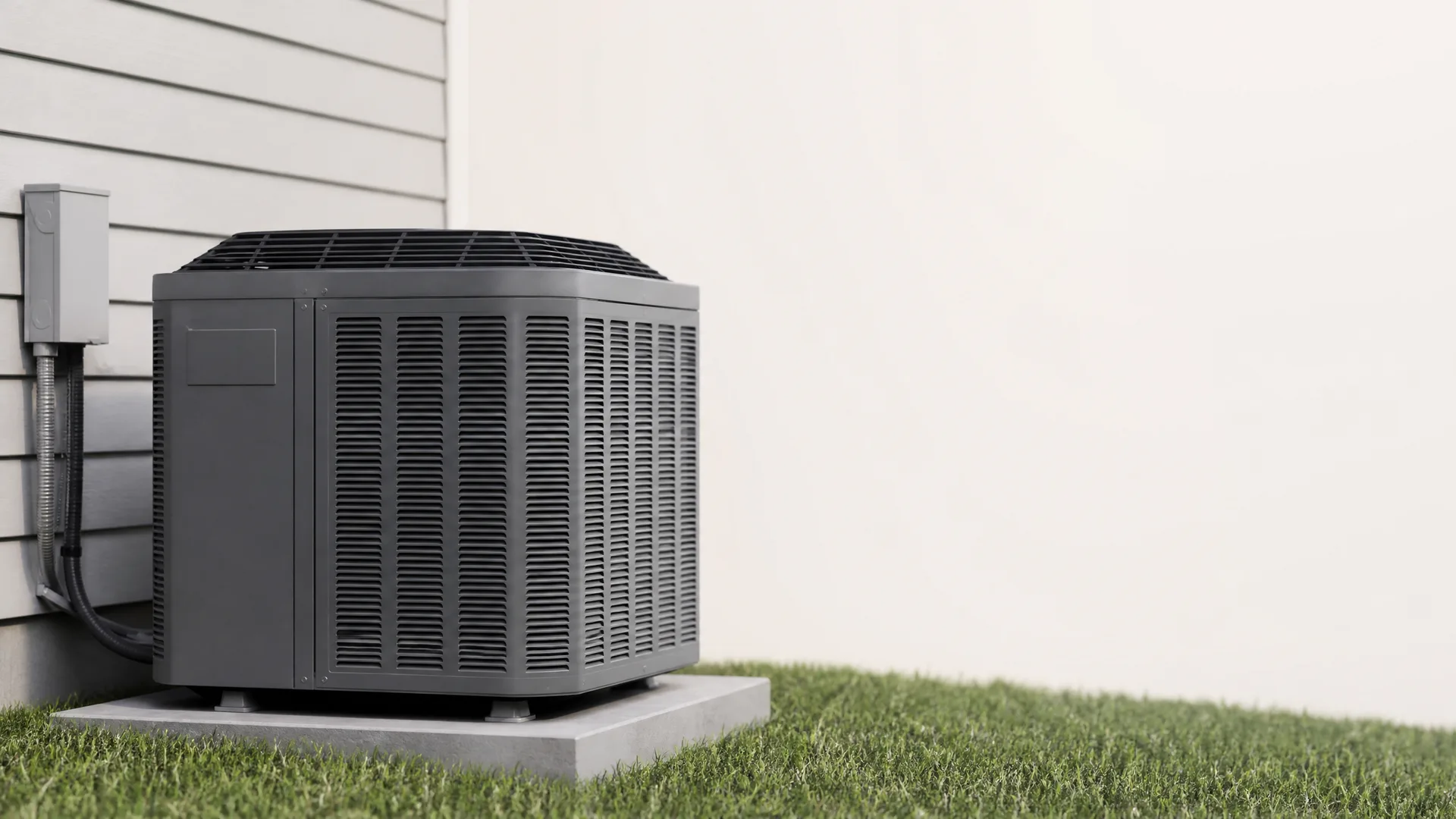
A tech checks refrigerant charge against the temperature outside and the pressure reading on the gauges, not by just topping it off. A system that's low is almost always losing refrigerant through a leak somewhere, and adding more without finding the leak just means another visit later. Low charge makes the compressor run longer to reach the same temperature, which costs you on a power bill that's already not cheap in Pennsylvania.
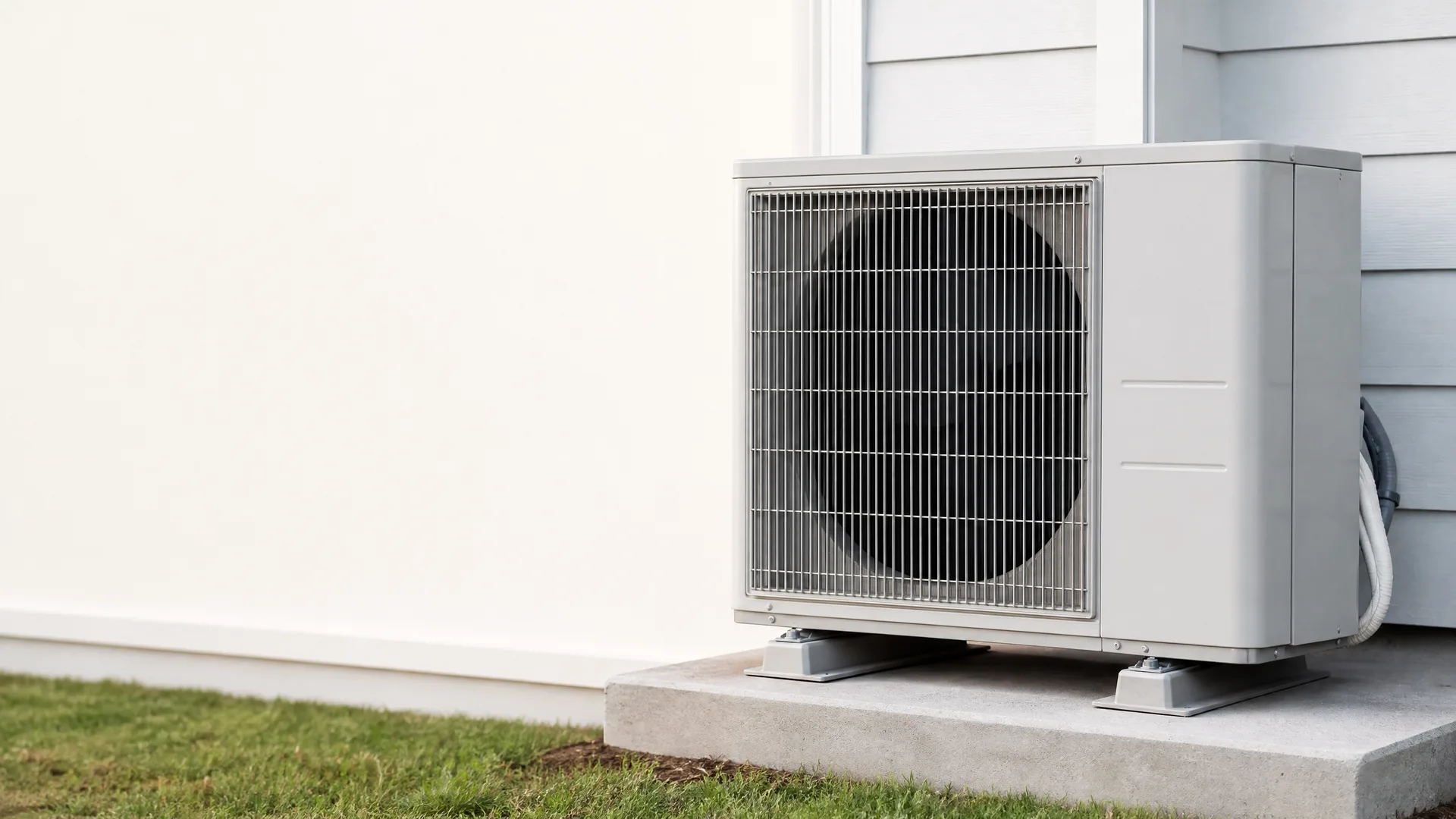
Your furnace doesn't have one of these because it only ever does one job. A reversing valve is what lets your heat pump pull heat from the cold outside air in January and push heat out of the house in July. If it sticks, the system can get stuck blowing cold air in the winter or warm air in the summer. A tune-up includes cycling the valve to make sure it switches cleanly both ways.

Pennsylvania power rates are not cheap, and a heat pump that's losing refrigerant or running on a dirty coil pulls more of it every month, all year, since the same unit heats your house too. You won't see a spike that points to the cause. You'll see a bill that creeps up over a few months and a house that takes longer to feel right, and most people chalk that up to the weather instead of the equipment.
The bigger risk is timing. A reversing valve or a weak capacitor that's already struggling usually gives out on the first real cold snap or the first muggy stretch in July, because that's when the system is working hardest. That's also when every other heat pump in your part of Pennsylvania is failing for the same reason, and contractors are booked out. Getting a tune-up done means you're not the one calling around in a heat wave trying to find someone with an open slot, explaining the same problem to three different companies before you find one who can actually come.

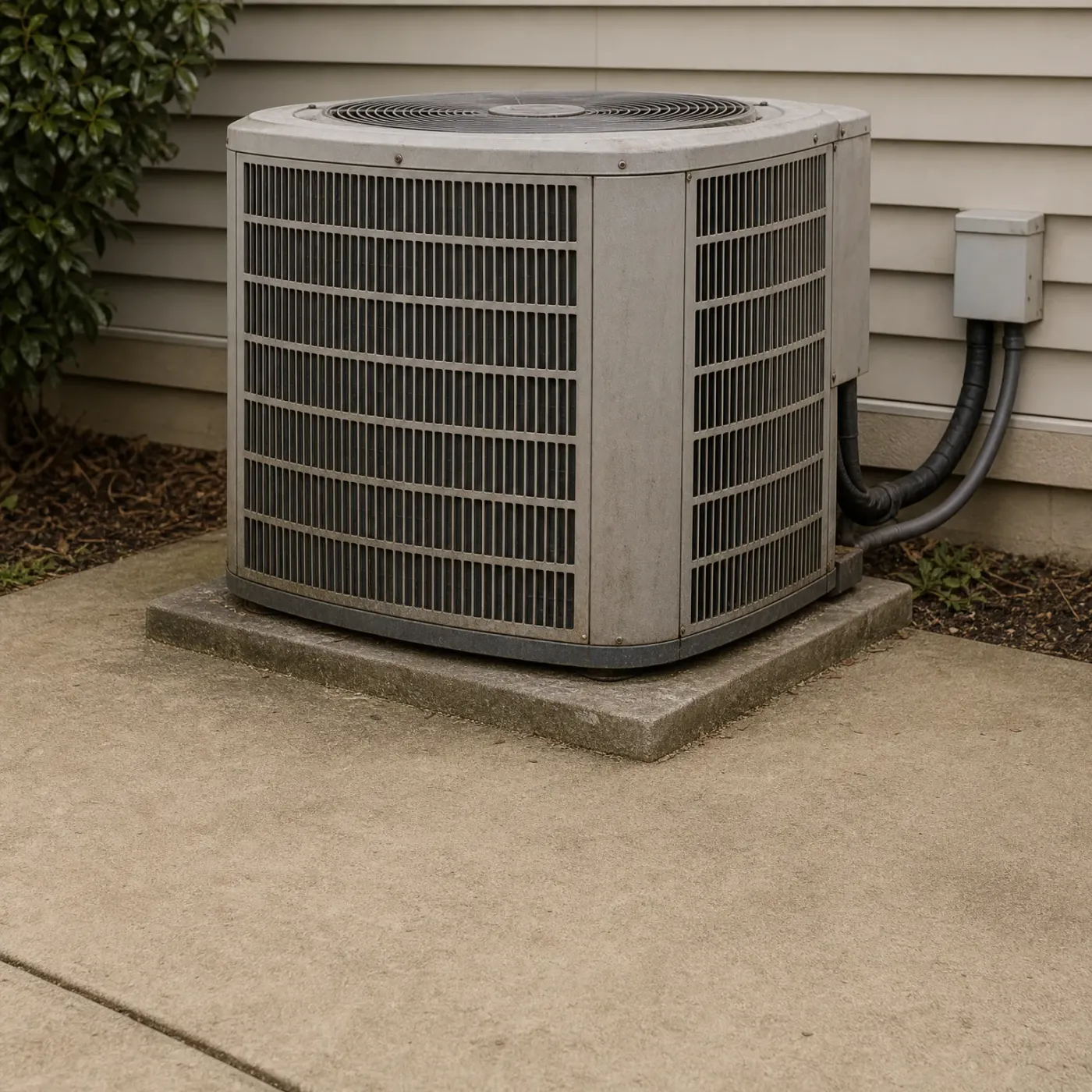
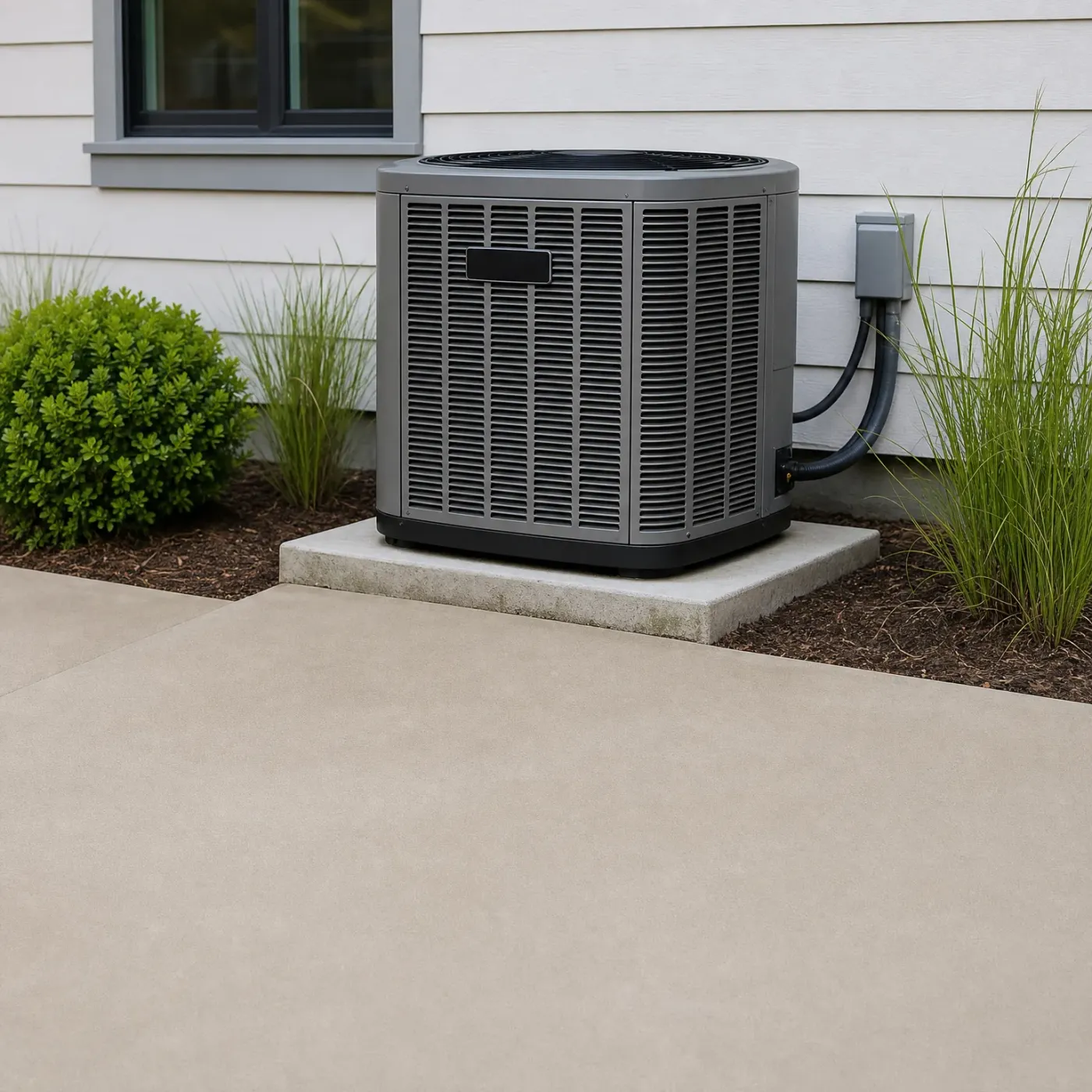
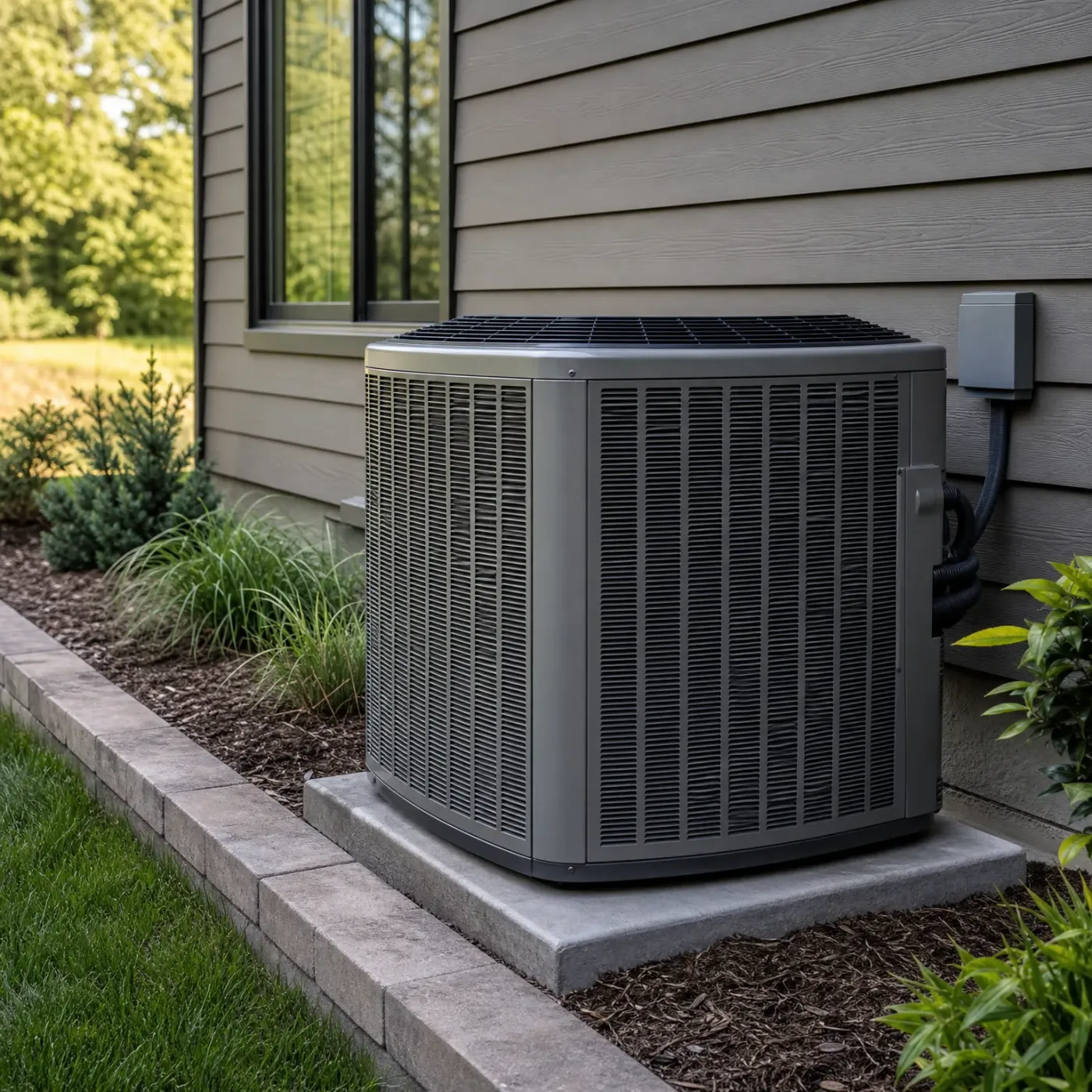
This one gets looked at twice a year. The coil stays clean, the charge is right, and the disconnect and conduit are in good shape. It runs the way it did the day it was installed, through a sticky July and a cold January both.
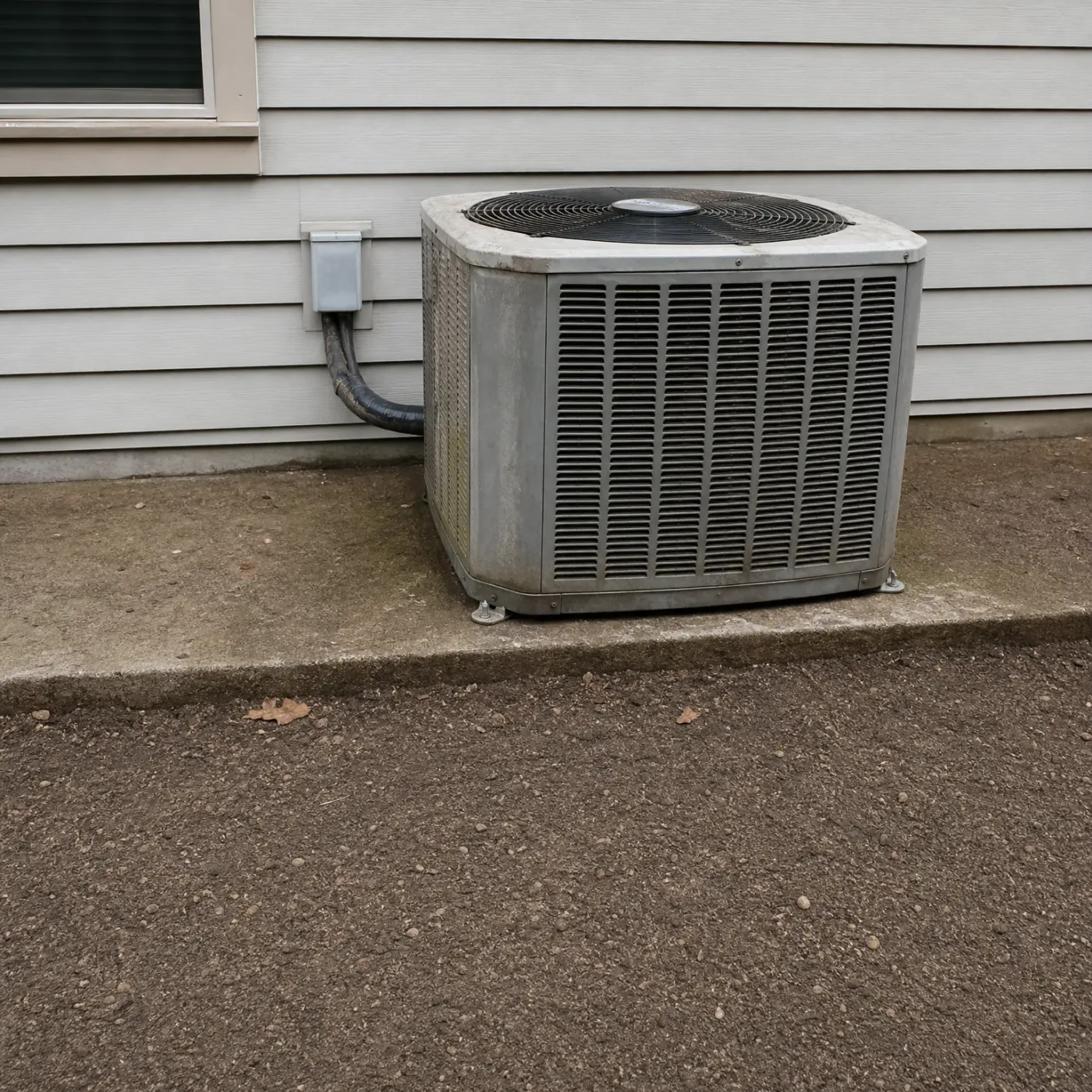
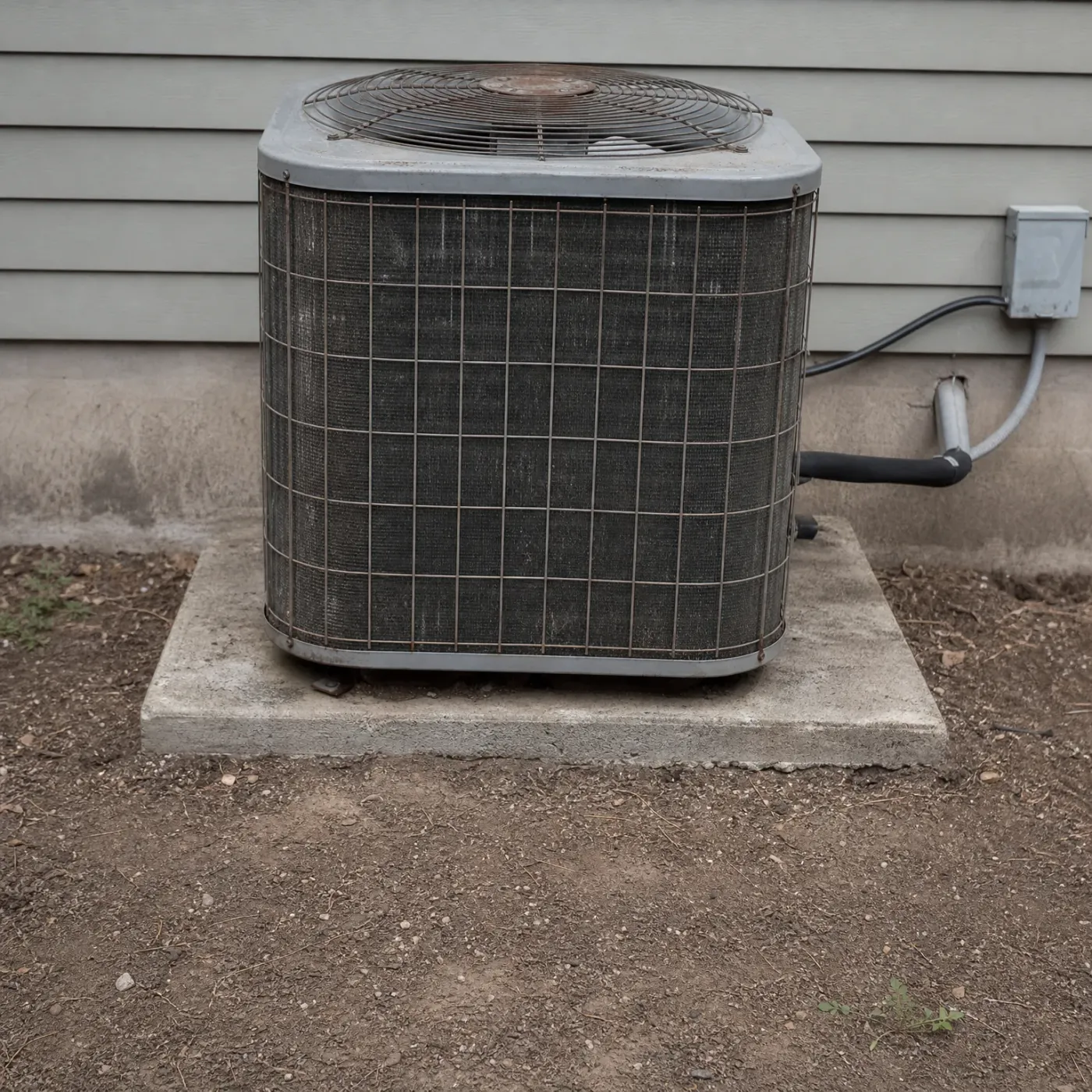
This one runs on a dirty coil and a charge nobody's checked in years. It still blows air, so nothing looks wrong from the house. Underneath, the compressor is working harder than it should, and that shows up on your power bill before anything actually fails.
Skip calling around to set up a heat pump tune-up.
Once you send the form, finding a pro is off your list.
Asking costs nothing, and the choice to hire stays yours.
Maybe it runs longer than it used to before the house feels right, summer or winter. Maybe the air coming out doesn't feel as cold in August or as warm in January as it did a year ago. You might notice the outdoor unit icing up when it shouldn't, or short cycling, on and off every few minutes instead of settling into a steady run. Some homeowners just watch the power bill creep up with no clear reason, since this same unit is running nearly year round. Left alone, a dirty coil or a slow refrigerant leak doesn't fix itself. It means the compressor works harder for less heat or cooling, and that's the part of a heat pump that costs the most to replace.
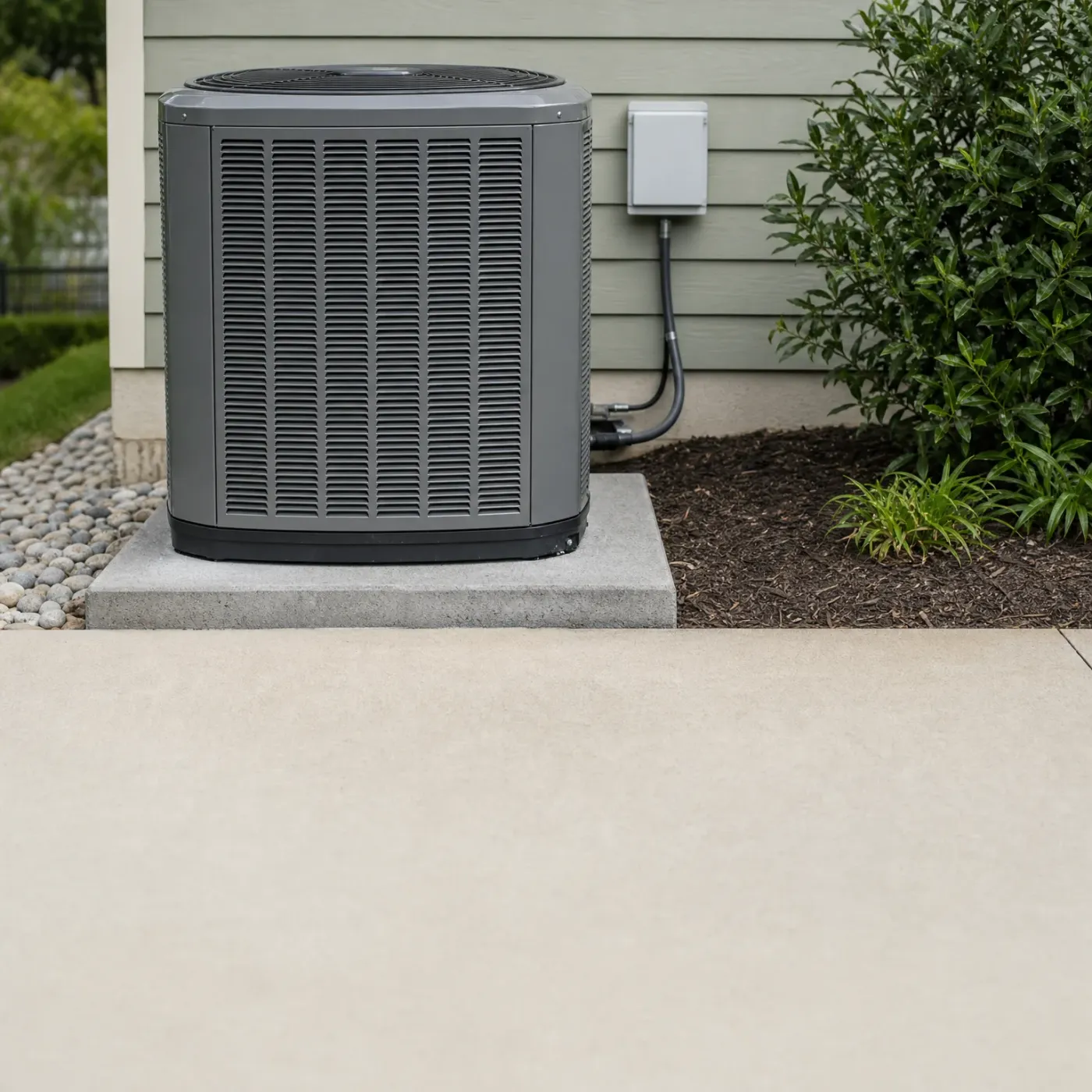
The coil is clear, the ground around the unit is clean, and the disconnect box on the wall is intact. Air moves through the coil the way it's supposed to, in July heat and January cold both.
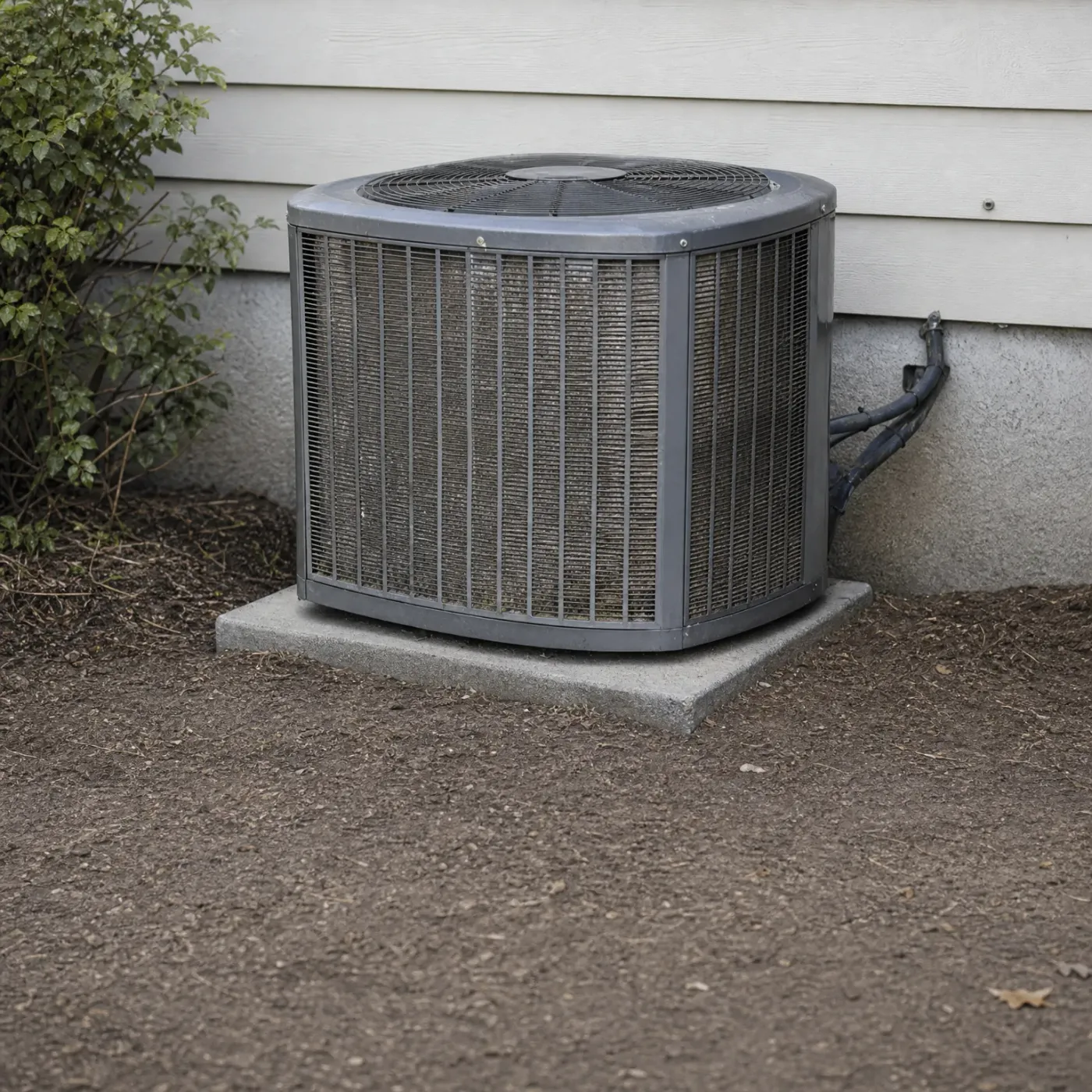
Grass clippings, leaves and dirt have built up on the coil until the fins are clogged. The unit has to run longer to move the same heat, pulling more power out of lines that already cost you plenty in Pennsylvania.


Most of what happens during a tune-up is work you never see, because it's inside the cabinet or behind the service panel. A tech pulls that panel first and checks the compressor's amp draw against the nameplate rating, since a motor pulling more amps than it should is working harder than it needs to, even if it still runs fine today. The reversing valve gets cycled in both directions to confirm it actually switches the system between heating and cooling, not just that it hums when powered. Electrical connections get checked and tightened, because a loose lug builds up heat over time and that heat can eventually burn through a wire. The outdoor fan motor and the blower wheel get checked for play in their bearings, which means physically moving them, not just watching them spin. The condensate drain line and pan get cleared out, since a clogged drain means water backs up into the unit instead of draining outside where it belongs. Low voltage control wiring gets inspected for corrosion at the terminals, a small thing that causes a surprising number of no-heat and no-cool calls, where the thermostat calls for a cycle and the unit just doesn't answer. None of this is visible from outside the cabinet. It's the difference between a unit that looks fine sitting in the yard and one that's actually going to perform through a sticky Pennsylvania summer and the cold months that follow it on the same equipment.
At 19.29 cents a kilowatt-hour, every bit of extra strain on your heat pump lands on the bill, and it runs all year, not just in summer. A dirty coil or a low charge makes it pull more power for the same heat or cold, month after month.
EIA-861 2025 statewide residential average
The tech checks refrigerant pressure against the outdoor temperature reading.
The outdoor coil gets cleaned so air can move through it freely.
The reversing valve gets cycled to confirm heat and cooling both switch properly.
Compressor amp draw gets measured against the nameplate rating.

Summer air in Pennsylvania holds a lot of moisture. Averaged across June, July and August, the dew point here runs 61°F, the figure that measures how heavy the air actually feels, according to NOAA climate data. A heat pump cooling that kind of air has to pull more water out of it before the house feels comfortable, not just drop the temperature. That's more work than a dry 61°F day asks for. If the coil is dirty or the charge is low, you'll feel it as a house that stays sticky even after the thermostat says it hit the set point.
NASA POWER T2MDEW county cells weighted by homes
A heat pump tune-up covers the refrigerant charge, the outdoor coil, the reversing valve, the electrical connections and the amp draw on the compressor. That's the whole job, checked against your heat pump's own nameplate numbers, not guessed at. You've seen what it costs to skip: a compressor straining through a muggy July and a cold January both, a power bill that creeps up a little every month without ever spiking enough to notice. What you don't have to do now is start calling around, explaining the same thing to three different contractors, and sorting through quotes to figure out who actually knows a heat pump from a furnace. Send the form and that part is done. You'll know where you stand with your own system, in your own house, instead of guessing from what a stranger on the internet says their unit does. The equipment is the same either way. What's different is whether someone's actually looked at yours.
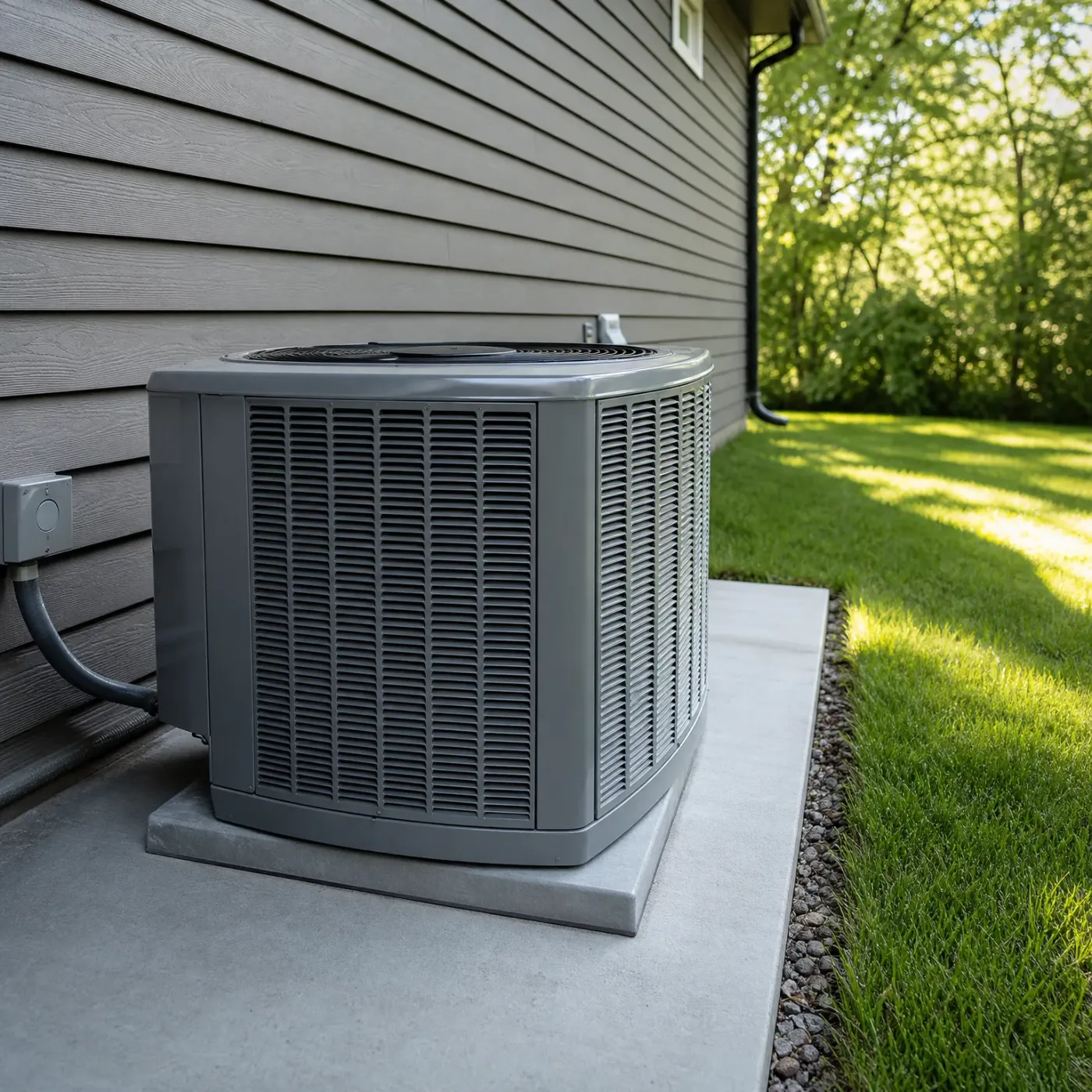
One form instead of hunting for a pro who does heat pump tune-ups.
No fee to send it, and nothing to sign.