
What auxiliary heat means on a Pennsylvania heat pump
Auxiliary heat is the backup heat strip that kicks in when your heat pump can't pull enough warmth out of the cold outside air on its own. You'll see "AUX" or "EM HEAT" light up on the thermostat when it's running. Pennsylvania winters push outdoor temperatures down into the range where a heat pump starts losing its ability to heat efficiently, usually somewhere below freezing, so the system leans on electric resistance heat to make up the difference. It also comes on during defrost cycles, when the outdoor unit melts off ice buildup and needs something to keep the house warm in the meantime. A little aux heat on the coldest days is normal. If it's running for hours at a time, or the thermostat shows AUX whenever the weather is only mildly cold, something is making your heat pump work harder than it should, and that usually means a repair, not a thermostat setting.
How Auxiliary Heat Actually Works
- The thermostat calls for more heat and the heat pump's compressor keeps running while the strip adds heat on top of it.
- Auxiliary heat uses electric resistance, the same principle as a toaster, so it costs more to run per hour than the compressor alone.
- Below a certain outdoor temperature the heat pump can't pull enough warmth from the air, and aux heat fills that gap automatically.
- A defrost cycle will also trigger aux heat for a few minutes to keep warm air flowing while the outdoor coil thaws.
- Aux heat running for short stretches on the coldest days is normal, but it staying on for hours points to a problem with the heat pump itself.
- Emergency heat is a separate setting you switch on by hand when the heat pump itself has stopped working and the strip is doing all the heating.
Your heat pump moves heat from the outside air into your house even when it's cold out, but there's a point where it runs out of heat to pull. That's when the electric strip takes over part of the job. The thermostat doesn't shut the compressor off and switch to the strip. It runs both at once, the compressor still working while the strip adds extra heat on top. That strip works like a toaster, heating directly with electricity instead of moving heat from somewhere else, and electricity costs more to run that way than the compressor does on its own.
Aux heat also shows up for a different reason that has nothing to do with the cold. Every so often the outdoor unit has to melt frost off its coil, and while that's happening it can't heat your house at all. The system runs the strip for a few minutes during that defrost cycle so the air coming out of your vents doesn't go cold.
Short runs of aux heat on a frigid day are the system doing what it's built to do. Hours of it running, or the AUX light staying lit when it's not especially cold out, usually means the heat pump itself isn't pulling its weight anymore.
Emergency heat is different still. That one you switch on yourself, by hand, when the heat pump has stopped working entirely and you need the strip to carry the whole load until it's fixed.




A pro who works on heat pumps
Answer a few questions instead of calling shop after shop.
Tell a local repair pro what your heat pump is doing.
It costs nothing to send, and you don't have to hire anyone.


Watch the thermostat during a cold snap. If AUX or EM HEAT flashes on for a few minutes and shuts off, that's the system doing what it's built to do. If it stays lit for hours, the heat pump isn't keeping up, and the strip is covering for it. That matters more in Pennsylvania than most places, since electricity costs more here than the gas heat running next door. A stuck contactor, a low refrigerant charge, a dirty outdoor coil, or a thermostat set wrong can all push the system into leaning on the strip instead of the compressor. None of that shows up as a cold house right away. It shows up on the electric bill first, then in a compressor and a heating strip that are working harder than they should and wearing down faster for it. The fix usually isn't the thermostat setting. It's whatever is stopping the heat pump from pulling heat out of the outside air on its own, and that's worth having someone look at before another cold stretch runs the bill up again.
What Aux Heat Running Costs You
- A heat pump stuck on aux heat through a stretch of January cold can push your electric bill up noticeably since power costs more here than the gas most of your neighbors heat with.
- If the AUX or EM HEAT light stays on for hours instead of cycling briefly during a cold snap, that points to the heat pump losing its ability to pull heat from outside air.
- A failing component like a stuck contactor or a low refrigerant charge can force the strip to carry the load that the compressor should be handling.
- The longer aux heat runs as a crutch instead of a backup, the higher the electric bill climbs before anyone in the house actually notices the house feels colder.
- A thermostat set wrong, a dirty outdoor coil, or a sensor that's failing can all trick the system into leaning on the strip when it doesn't need to.
- Left alone, a heat pump that depends on aux heat too often wears down the compressor and the strip faster than one that's running the way it's supposed to.
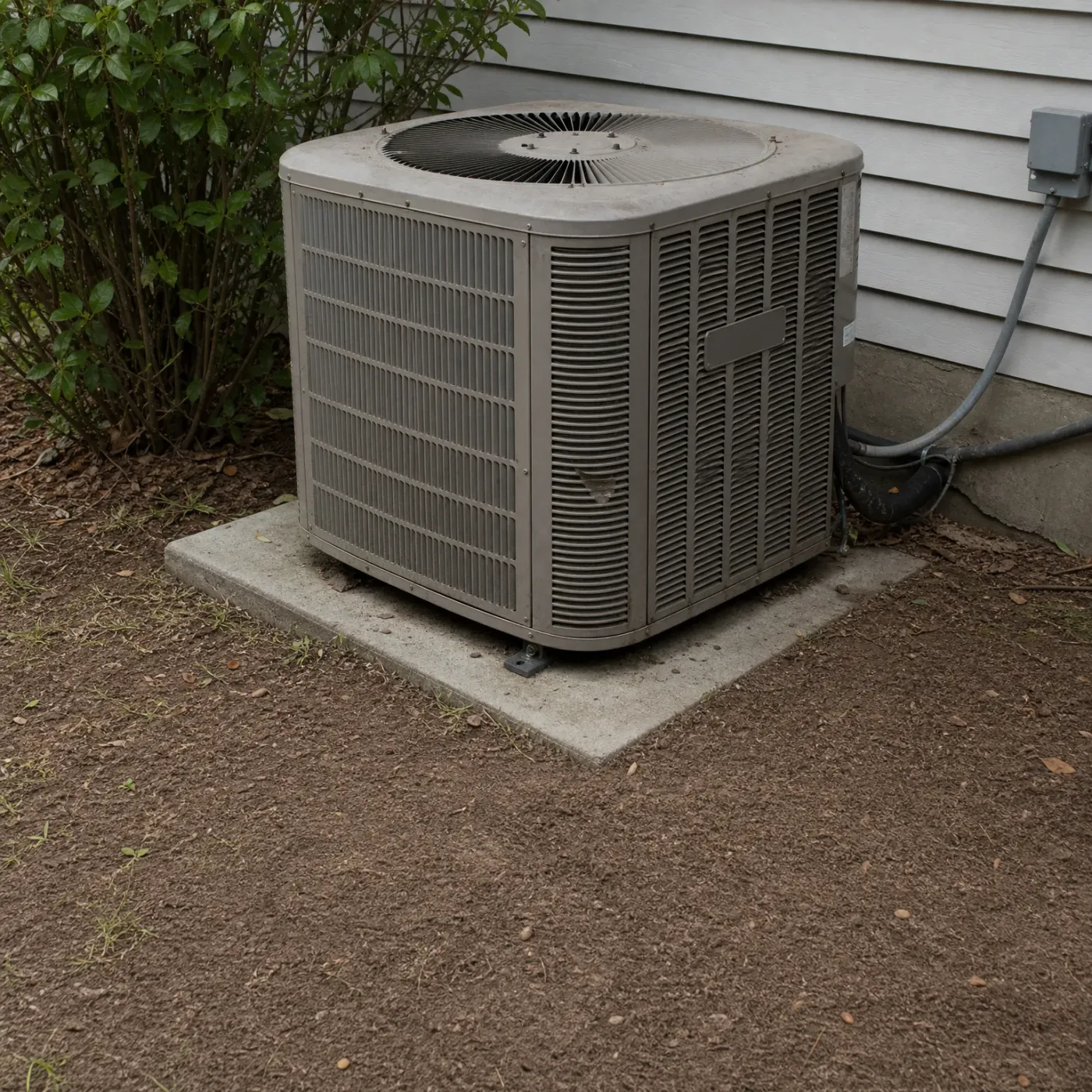
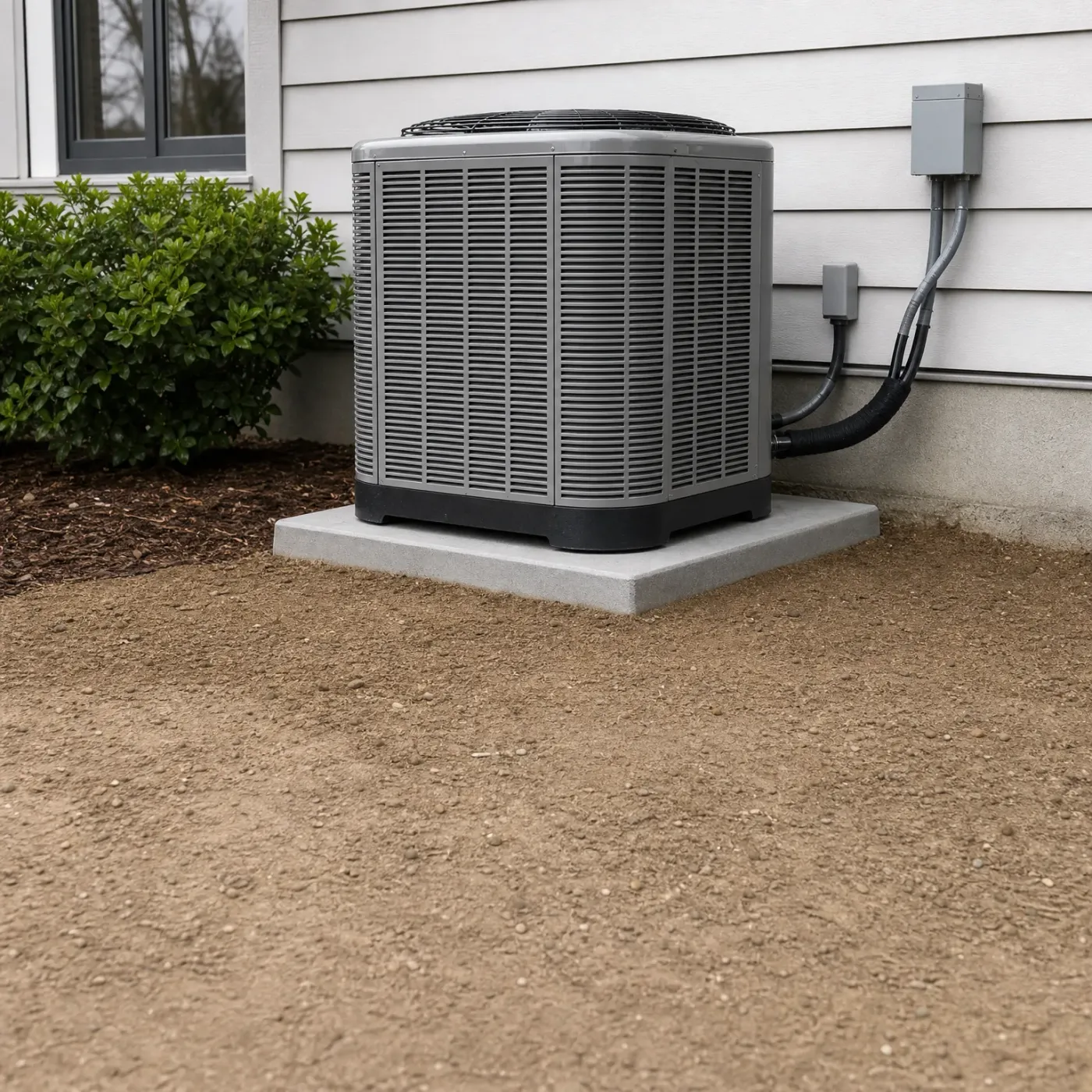
A heat pump that's losing its charge or running on a weak compressor leans on the backup strip sooner and more often, because it can't pull enough heat from the outside air to keep up on its own.
That's why aux heat running too much usually points to the heat pump itself needing a look, not just cold weather doing what cold weather does.
Power costs 19.29 cents per kilowatt-hour statewide
At that rate, every hour your heat pump leans on aux heat instead of the compressor costs you more. A system that's lost refrigerant or has a failing compressor will shift to that backup strip sooner, and you'll feel it on the bill before you notice it on the thermostat.
EIA-861 2025 statewide residential average

Aux heat tells you something is working harder than it should
Aux heat itself isn't a problem. It's built into your system for the cold snaps your heat pump can't handle alone. What matters is how often you see that light. Brief, occasional use on the coldest Pennsylvania nights is normal. Hours of it running, or a light that stays on through a mild stretch, means the heat pump isn't pulling its weight anymore.
Instead of searching through contractors, calling around, and explaining the same thing to each one, you can get matched with a contractor who handles heat pumps like yours and let them reach out to you. You'll know where you stand with your system, and you won't have to sort through quotes or repeat yourself to find out.






Get your heat pump to the right pro
Describe your heat pump job once, to one pro.
No charge to send it. You decide if you hire them.