Skip the search
What size heat pump a Pennsylvania home needs
Sizing a heat pump for a Pennsylvania home isn't just square footage. It depends on your home's insulation, your ductwork, and how it needs to handle both muggy summers and cold winters here. Get that wrong and you're stuck with a unit that short cycles, runs up your electric bill, or can't keep up. This page walks through what actually goes into the number, and gets you to a local contractor who can size it right instead of you calling around and explaining your house to five different companies.
Skip the callsThere's no single number that fits every house. A properly sized heat pump matches its output to how fast your specific home loses heat in winter and gains it in summer, which a contractor figures with a load calculation, not a chart based on square footage alone. Pennsylvania adds a wrinkle: your heat pump has to cover a muggy summer where it's pulling moisture out of the air as much as cooling it, and a cold winter where it's working hardest exactly when outdoor air has the least heat to give up. Too big, and it cools or heats the room fast but shuts off before it finishes pulling the humidity out, leaving the house feeling damp. Too small, and it runs constantly in January without keeping up, leaning hard on backup heat and your electric bill. The right size depends on your walls, windows, ductwork and how the house sits, all things a load calculation accounts for and a square-footage guess doesn't.
Why oversizing hurts you twice
A heat pump that's too big cools the air fast and shuts off before it pulls the moisture out, so the house feels clammy even at the temperature you set. That short cycling also means the compressor starts and stops more often, which wears it harder over the years. Pennsylvania summers are humid enough that this isn't a minor issue. The right size runs longer, steadier cycles that actually dry the air out.
What the load calculation checks
A contractor doing this right looks at how much heat your walls, attic and windows let through, how much sun hits the house, and whether your ductwork can even move the air a given unit needs. Two homes of the same square footage can need different sized units if one has better insulation or newer windows. In winter, the same calculation has to account for how cold it actually gets here, since a heat pump's heating output drops as the outdoor temperature falls.
How does a contractor figure out what size heat pump I need?
You've seen the square footage charts online, but you already know from the sections above that those don't account for your specific house. So the real question is what a contractor actually does differently, and whether it's worth paying someone to come out and calculate it instead of just matching a number off a chart.
A Manual J load calculation, done room by room
A contractor measures your walls, windows, and ceiling, checks how much insulation is behind them, and counts the windows by direction they face, since a south-facing window gains heat differently than one facing north. That gets fed into a formula called Manual J, which calculates how many BTUs your house loses in winter and gains in summer, room by room. The output tells them the exact capacity to match, not a range. They'll also check your ductwork, since a heat pump sized right for the house but feeding undersized ducts still won't heat or cool evenly. Two houses with the same square footage can need different sized units once their insulation and windows are accounted for.
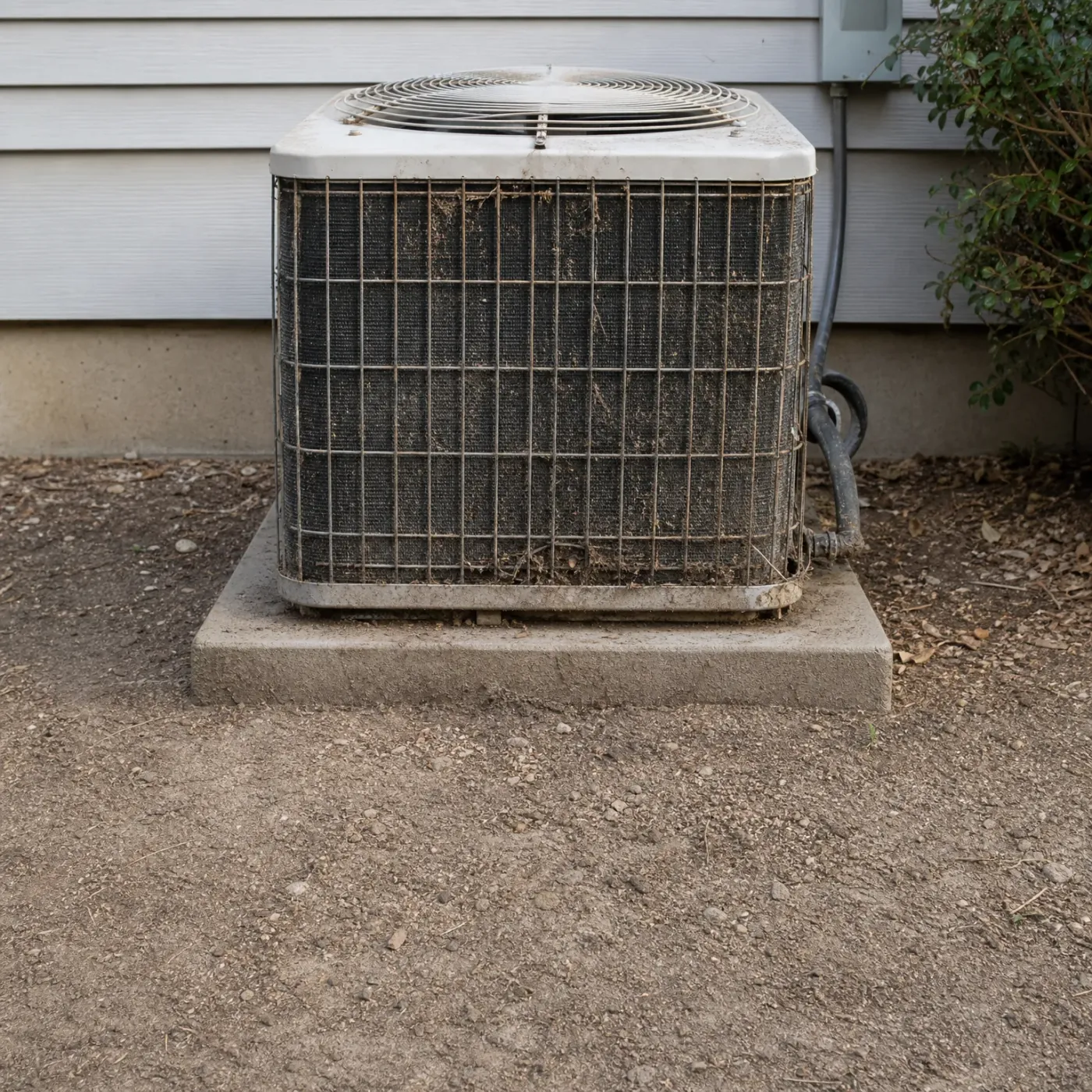
You'll feel a wrong-size heat pump before you understand why. Power costs more in Pennsylvania, so a unit that's fighting its sizing runs longer to heat or cool the same rooms, and that shows up on the bill before anything else does. Too big, and summer air comes out cool but never dry, because the unit satisfies the thermostat and shuts off before it's pulled the humidity out. Too small, and it runs almost constantly on the coldest days, leaning harder on the gas furnace backup most homes here have, until that bill looks off too. Either way, the unit is starting and stopping more than it should, and that wear lands on the compressor. A compressor that fails years early costs far more than getting the size right at installation. Even a correctly sized outdoor unit can't fix ductwork that can't move the air it's rated for, so you'd still feel weak airflow in some rooms. Sit in one room for an hour and you'll notice the temperature swinging between cycles instead of holding steady.
What the Wrong Size Costs You
- A wrong-size heat pump shows up on your electric bill first, since power costs more here and a unit fighting its own sizing runs longer to do the same job.
- If it's oversized, you'll notice the air feels cool but sticky in July and August, because the unit shuts off before it has time to pull humidity out.
- An undersized unit will run nearly nonstop on the coldest days, and since most homes here lean on gas furnace backup, you may not catch the problem until the gas bill looks off too.
- Short cycling wears on the compressor, and a compressor replacement years early costs you far more than getting the sizing right at installation.
- If your ductwork can't move the air the new unit is rated for, you'll feel it as weak airflow in some rooms no matter how well the outdoor unit is sized.
- A unit that's constantly starting and stopping also means your home swings in temperature more between cycles, something you'd notice sitting in the same room for an hour.




Explain it one time

One installer gets your project, so there's no bidding war over it.
No fee to send it, and nothing to sign.
Gas heat changes the math
Most homes in Pennsylvania heat with gas, so the heat pump's winter job is smaller than it would be if it carried the whole load alone. A lot of installs here pair the heat pump with the existing gas furnace, switching between them depending on outdoor temperature, or lean on the furnace once it gets cold enough that the heat pump loses efficiency. That changes what size heat pump makes sense, because it's no longer being sized to carry your home through a January cold snap on its own. A contractor doing the load calculation needs to know whether the heat pump is standalone or paired with gas, since the same house can call for two different unit sizes depending on the answer.
Summer is where sizing shows up
Cooling is where an undersized or oversized unit gets noticed fastest in a Pennsylvania summer. The muggy stretches put a steady demand on the system to run long enough to wring moisture out of the air, not just drop the temperature a few degrees and shut off. A unit sized for winter heating alone, without enough attention to summer latent load, can cool the house to the thermostat setting and still leave it feeling damp. Getting the size right means the contractor is weighing both ends of the year against each other, not picking a number that only works for one season and hoping it holds up through the other.
Power costs 19.29 cents per kilowatt-hour statewide
At that rate, every kilowatt a wrong-size heat pump wastes shows up fast on your bill. A unit sized correctly for your house earns back that accuracy month after month, since it's not running longer than it needs to just to keep up.
EIA-861 2025 statewide residential average
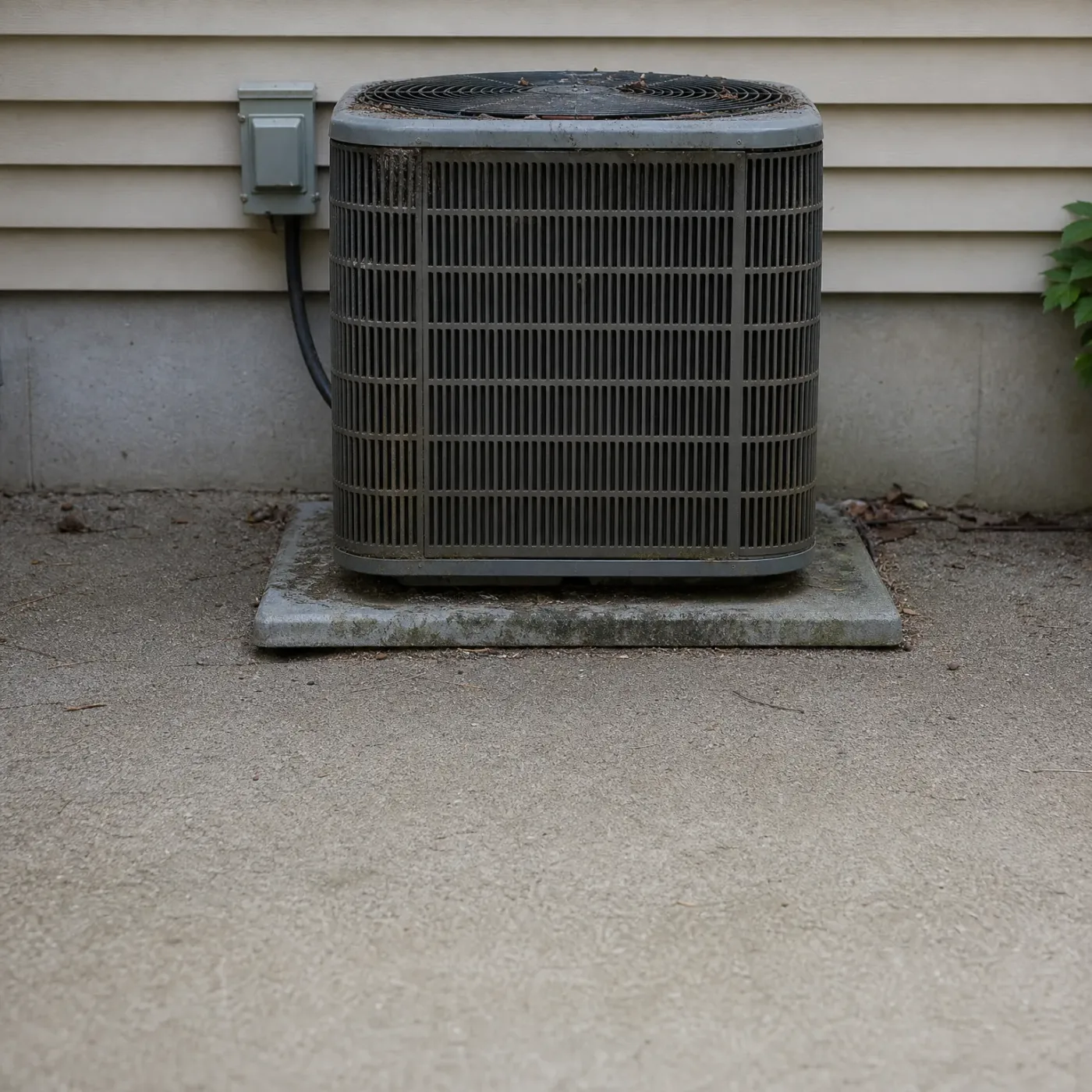
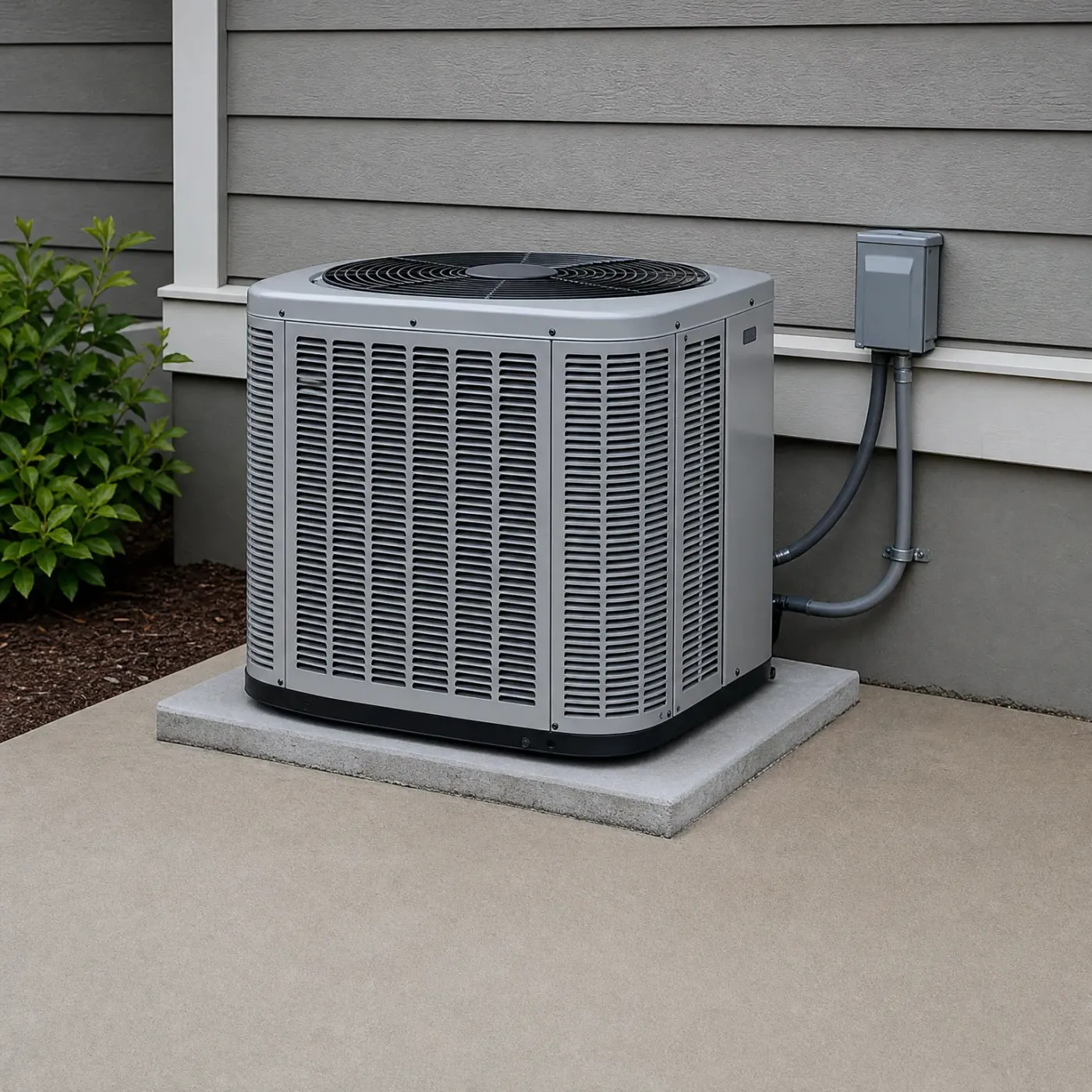
A dew point averaging 61°F across June, July and August, from NOAA climate data, tells you why the air feels heavy here even when the thermometer isn't that high. A correctly sized heat pump runs long enough on those sticky afternoons to pull that moisture out of the air before it shuts off. One that's too big for your house can't do that. It cools the room fast, hits the thermostat setting, and quits before it's wrung the humidity out, so you end up lowering the temperature just to feel comfortable, and the unit cycles on and off more to chase that feeling. Getting the size right from the start is what keeps July and August from feeling worse than they have to.
NASA POWER T2MDEW county cells weighted by homes


The right size, from someone who knows
- The right size comes from a load calculation on your house, not a square footage chart.
- Oversizing costs you comfort in summer and strain on the compressor year round.
- Undersizing shows up as a heat pump that runs constantly and still can't keep up on the coldest days.
- A contractor who installs these year round in Pennsylvania knows how the gas furnace pairing changes the calculation.
- You'll work with one licensed local contractor on this, not a handful of companies competing for the job.
A heat pump sized for your house, not a chart, is the whole answer this page has been building toward. It comes from a load calculation that accounts for your insulation, your ductwork, and the fact that it's likely paired with a gas furnace rather than carrying your winter alone. Get that number right and the unit runs long enough to wring the moisture out of a muggy July afternoon, then shuts off clean. Get it wrong in either direction and you pay for it: a unit too big leaves the air cool but damp and wears out its compressor faster, a unit too small runs nonstop and still loses ground on the coldest nights.
That calculation isn't something a homeowner does from a square footage chart, and it isn't something every contractor does the same way either. The ones who work on heat pumps in Pennsylvania all year, through muggy summers and the gas furnace handoff in winter, know what tends to go wrong with this pairing in this climate and size around it. When you request an install through this page, you're matched with one licensed contractor local to you, not a list of companies you have to call, compare, and explain your house to all over again. You tell it once, to someone who already knows what questions matter here. The sizing is the hard part. Finding someone who gets it right is the part this page takes off your plate.

Heat Pump Installation
No quotes to chase

- Get in touch with a local installer about a new heat pump.
- A local installer who puts in heat pumps gets your project.
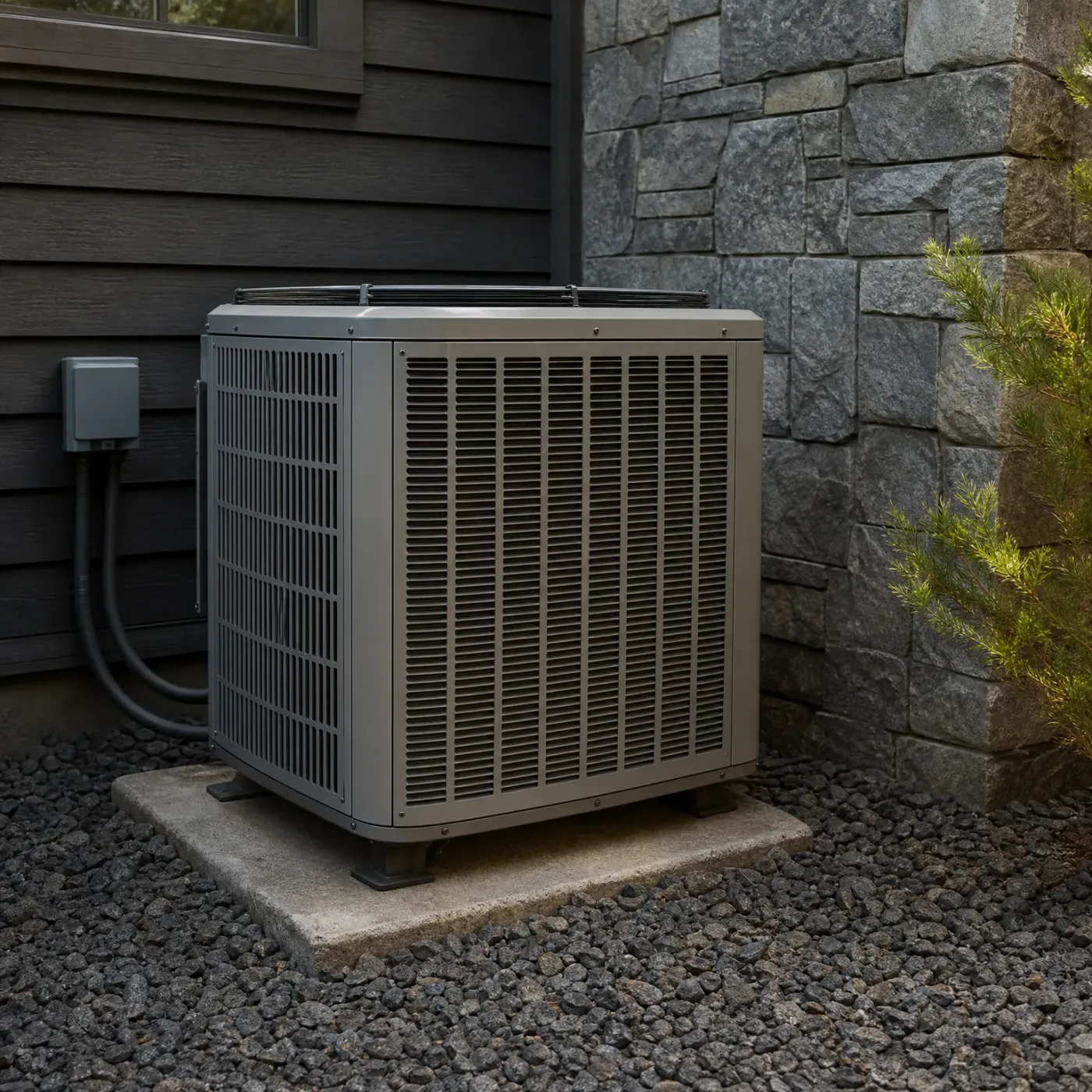
- Send the form and the search for an installer is over.
- One request and the search for a pro is handled.
- Skip collecting and comparing quotes for the new heat pump.
- Explain the job once and skip repeating it on every call.

- Your request stays with one local pro.
- Your request goes to one pro, not a list of companies.