Running the way it should
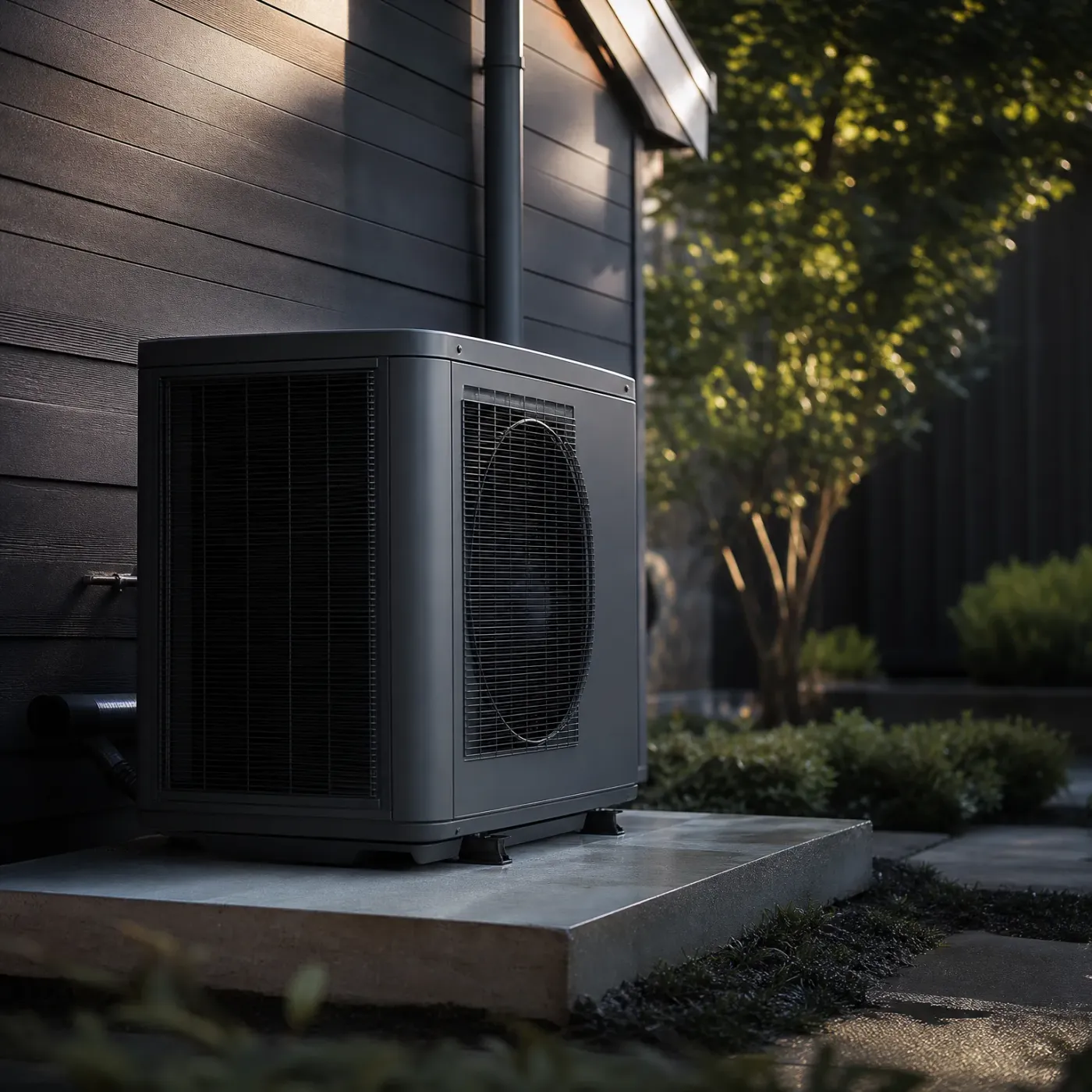
This is a heat pump pulling heat from the outside air without a fight. The coil is clean, the conduit and disconnect are intact, and nothing around the unit is blocking airflow. It cycles on, does its job, and shuts off.
Get the right pro for your heat pump
A heat pump works harder than a furnace once the temperature drops, and that shows up on your electric bill. Power in Pennsylvania isn't cheap, so a cold stretch can hit hard. This page gets into what drives that jump and what's worth having a contractor look at before you pay for another one.
Connect with a proYour heat pump bill climbs because the colder it gets outside, the harder the heat pump has to work to pull warmth from that outside air, and below freezing it's pulling heat from air that has very little to give. It leans on backup electric resistance heat to make up the difference, and that strip heat draws far more power than the heat pump's normal operation. If your thermostat is set to recover from a lower temperature in the morning or after work, that backup heat kicks in more often, not less. A unit that's losing refrigerant or icing over on the outdoor coil has to run longer to produce the same warmth, which adds hours of runtime you're paying for. None of this means something is broken. It can just mean a hard stretch of cold weather asked more of the system than usual. But if the jump seems bigger than the weather explains, or the outdoor unit is caked in ice for long stretches, that's worth having a contractor look at before the next cold snap.
Cold weather changes how your heat pump runs, not just how hard. Once outdoor temperatures drop toward the mid-30s, frost starts forming on the outdoor coil, the same way frost builds on a car windshield overnight. The system has to clear that frost to keep working, so it switches into a defrost cycle. For a few minutes, the heat pump runs backward, pulling heat out of your house and sending it outside to melt the ice off that coil. That's the opposite of what you want it doing, and it's why a vent can blow cool air right in the middle of a cold snap, at the exact moment the system is working its hardest. To keep the house from feeling that cold air too much, backup heat, usually electric resistance heat built into the air handler, switches on to cover the gap. That backup heat draws a lot more power than the heat pump alone. It also kicks in if the thermostat is set to jump the temperature up several degrees quickly, because the heat pump alone recovers slowly and the thermostat calls for backup to close that gap faster. None of this is a sign something's broken. But a refrigerant charge that's low, even slightly, makes the compressor run longer for the same amount of heat, which means more defrost cycles and more reliance on that expensive backup heat than the system should need.


A stretch of nights in the teens means the backup heat strip is probably doing a lot of the work, and that pulls far more power than the heat pump on its own. Setting the thermostat back overnight and expecting it to catch up in the morning makes this worse, since the unit reaches for backup heat to close the gap fast instead of holding steady. Low refrigerant or a dirty outdoor coil has the same effect: the system runs longer than it should and turns to backup heat sooner than it needs to. If a room never quite gets warm no matter how long the system runs, or the outdoor unit never shuts off, that's not just the cold outside, that's the heat pump falling behind. A bill that's higher than the weather alone explains is worth having a contractor check. Some of this comes down to how the thermostat is set. Some of it points to a repair that's overdue.
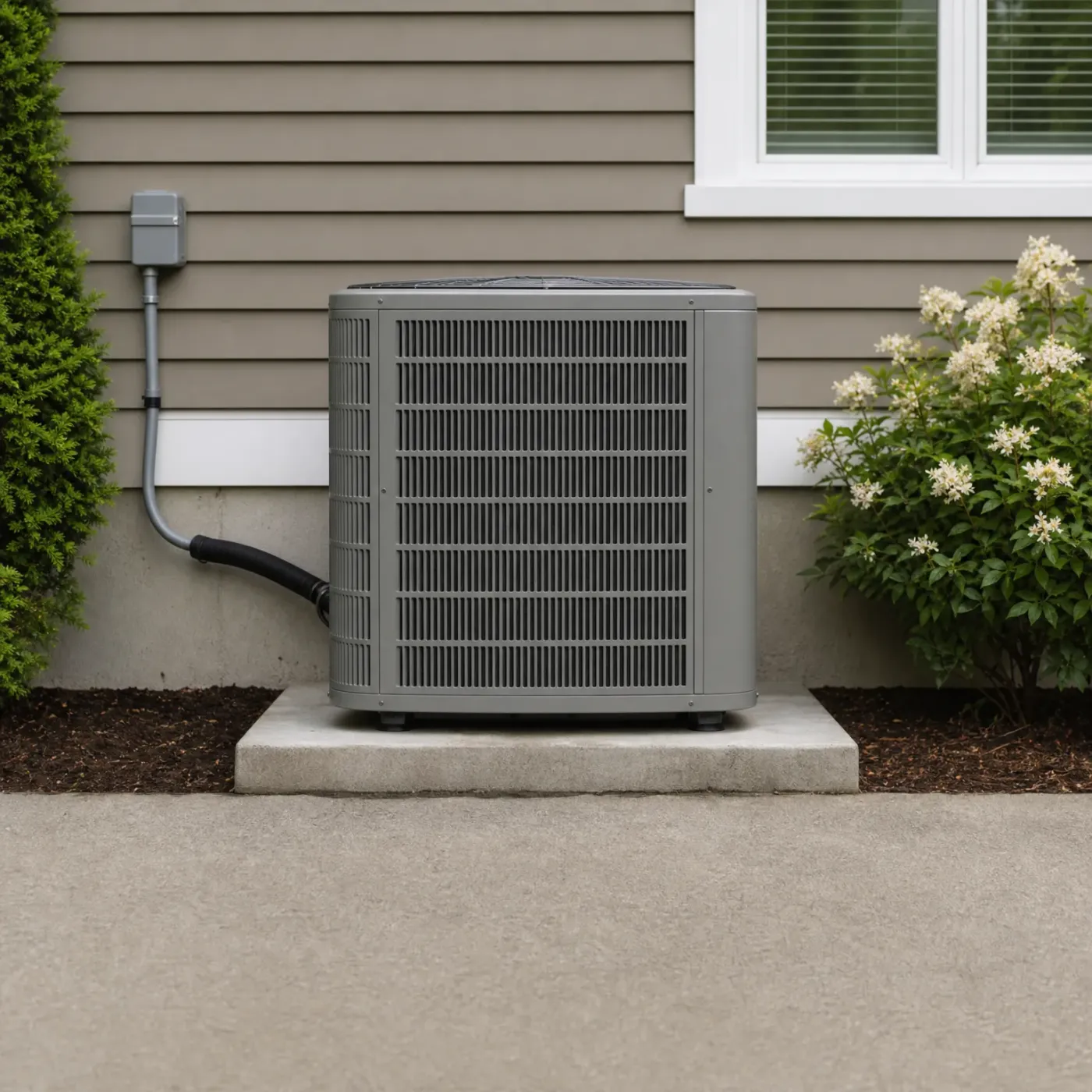
A heat pump that's short on refrigerant or running a weak defrost sensor leans on backup heat more than it should, and that's what turns a cold week into a bill you weren't expecting. You could call around to a few contractors, explain the thermostat settings and what the unit's been doing, wait on quotes, and sort through who actually works on heat pumps instead of just furnaces. Or you could hand that off. Pennsylvania winters don't let up for long, and a heat pump that's working harder than it needs to will keep costing you on every cold night until someone looks at it. Getting a contractor out to check the coil, the charge, and the defrost cycle now is worth more than waiting through another stretch of single digits hoping the bill levels out on its own.
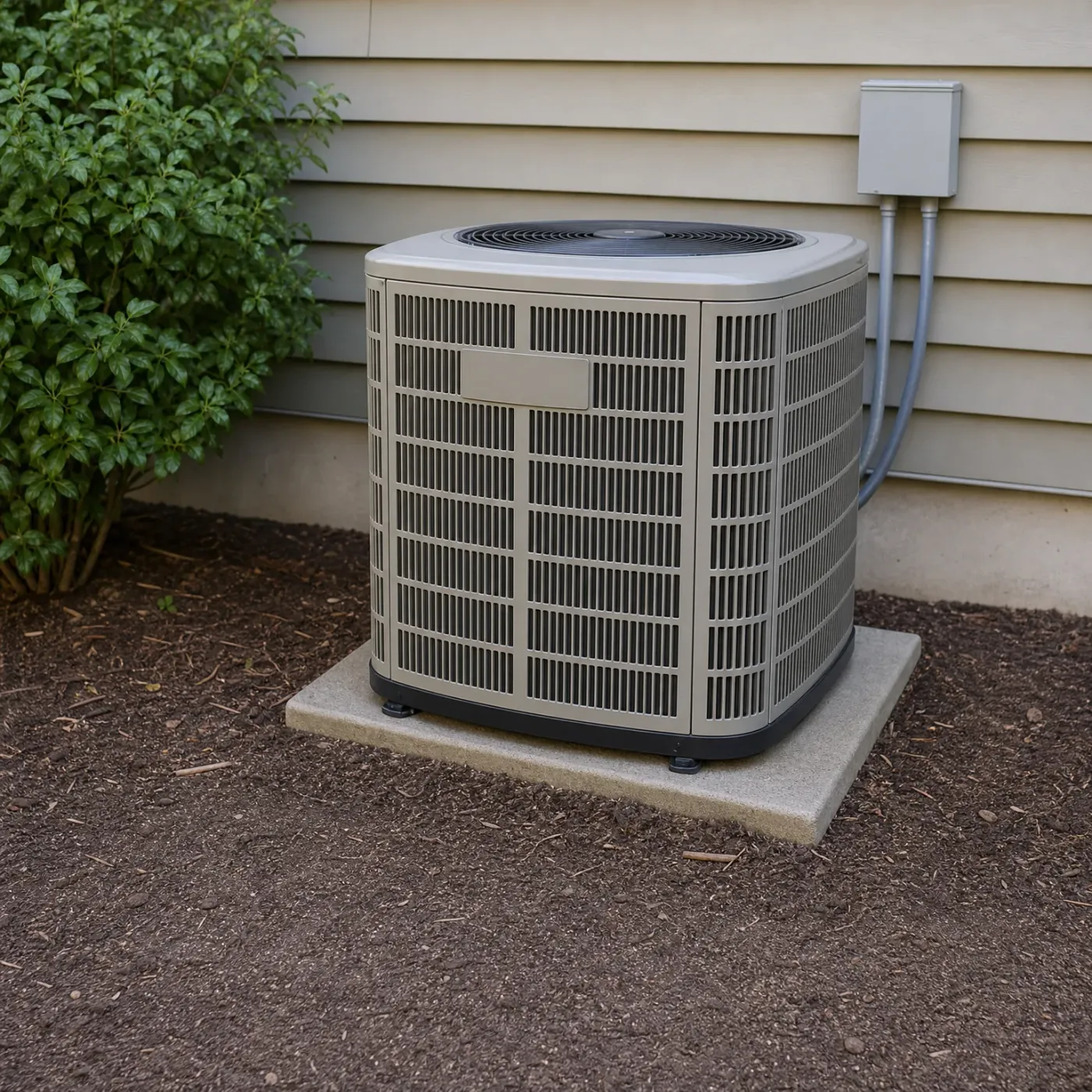
This is a heat pump pulling heat from the outside air without a fight. The coil is clean, the conduit and disconnect are intact, and nothing around the unit is blocking airflow. It cycles on, does its job, and shuts off.
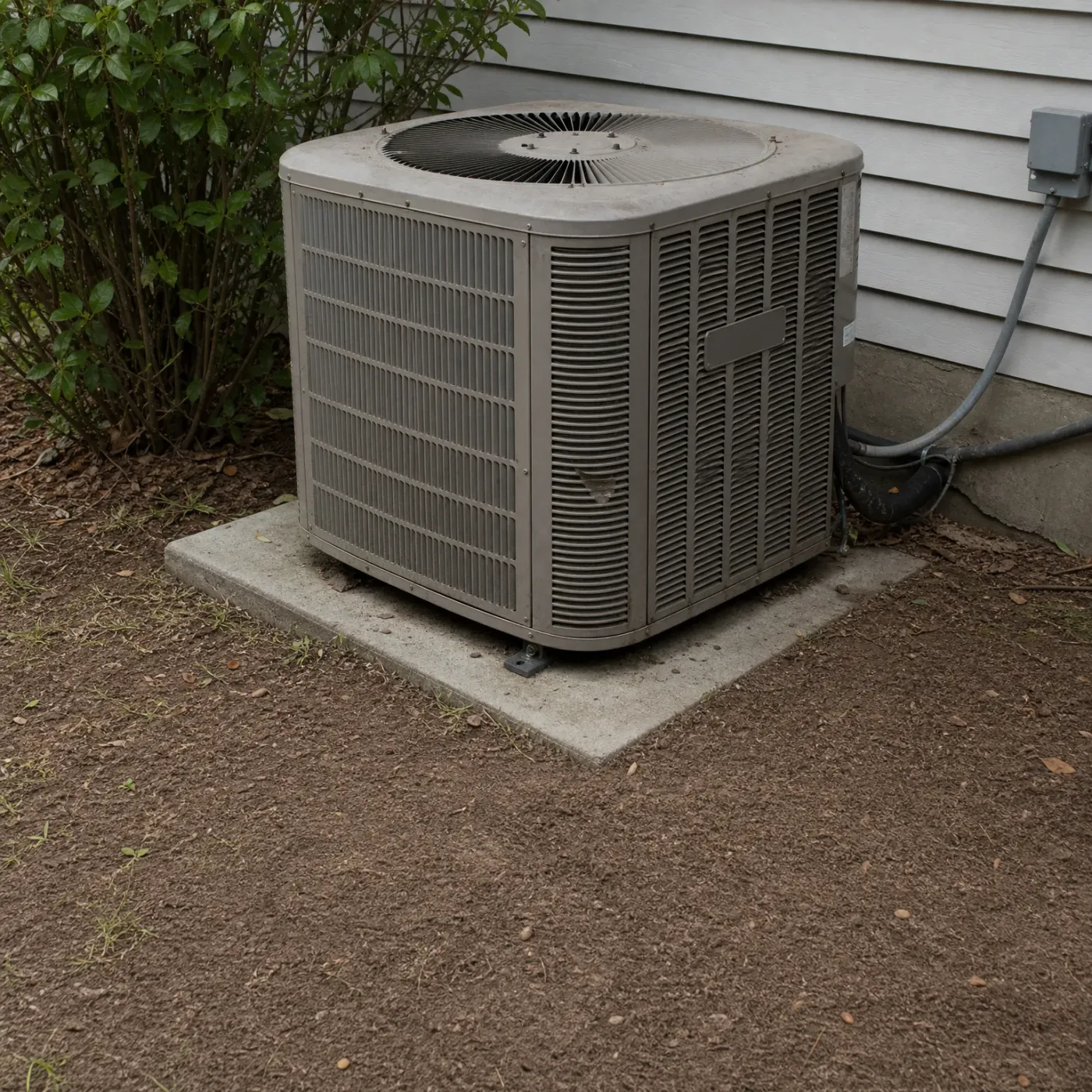
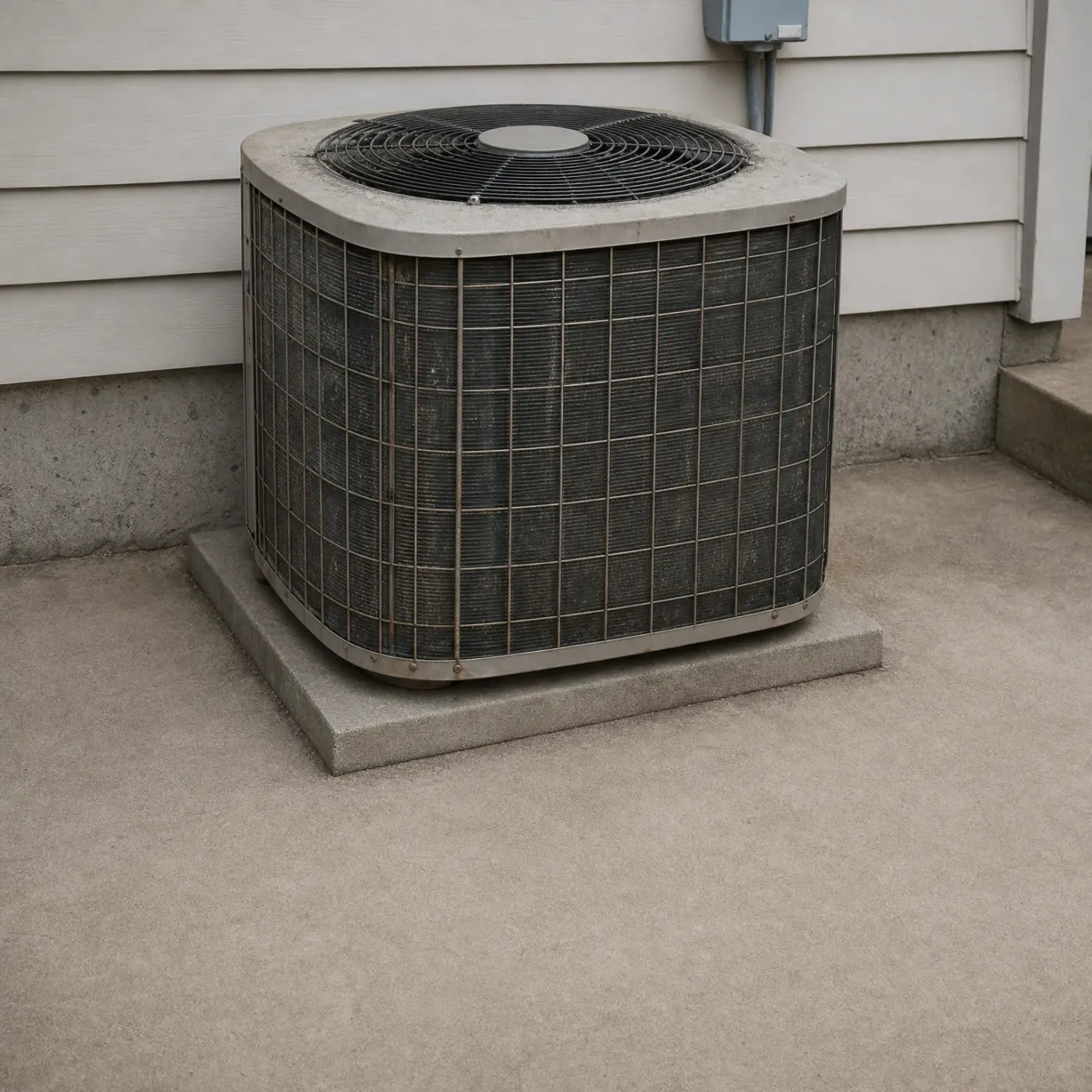
Here the unit is running but not keeping up. It might be icing over past its normal defrost cycle, short cycling, or leaning on backup heat more than it should. That strain is what turns a cold snap in Pennsylvania into a bill that doesn't match the weather.
You'll notice the outdoor unit running for long stretches, sometimes most of the afternoon, and the air coming out of the vents feels cooler than you'd expect from a heating system. Some rooms stay a few degrees colder than the thermostat setting. You might hear it humming well into the evening on nights in the teens or single digits, and catch steam coming off the outdoor unit during defrost. None of that means it's broken. But if a room never quite reaches temperature, or the unit runs long after the house feels warm, a contractor should check the refrigerant charge and the defrost sensor before another cold snap drives the bill higher and leaves the house colder than it should be.
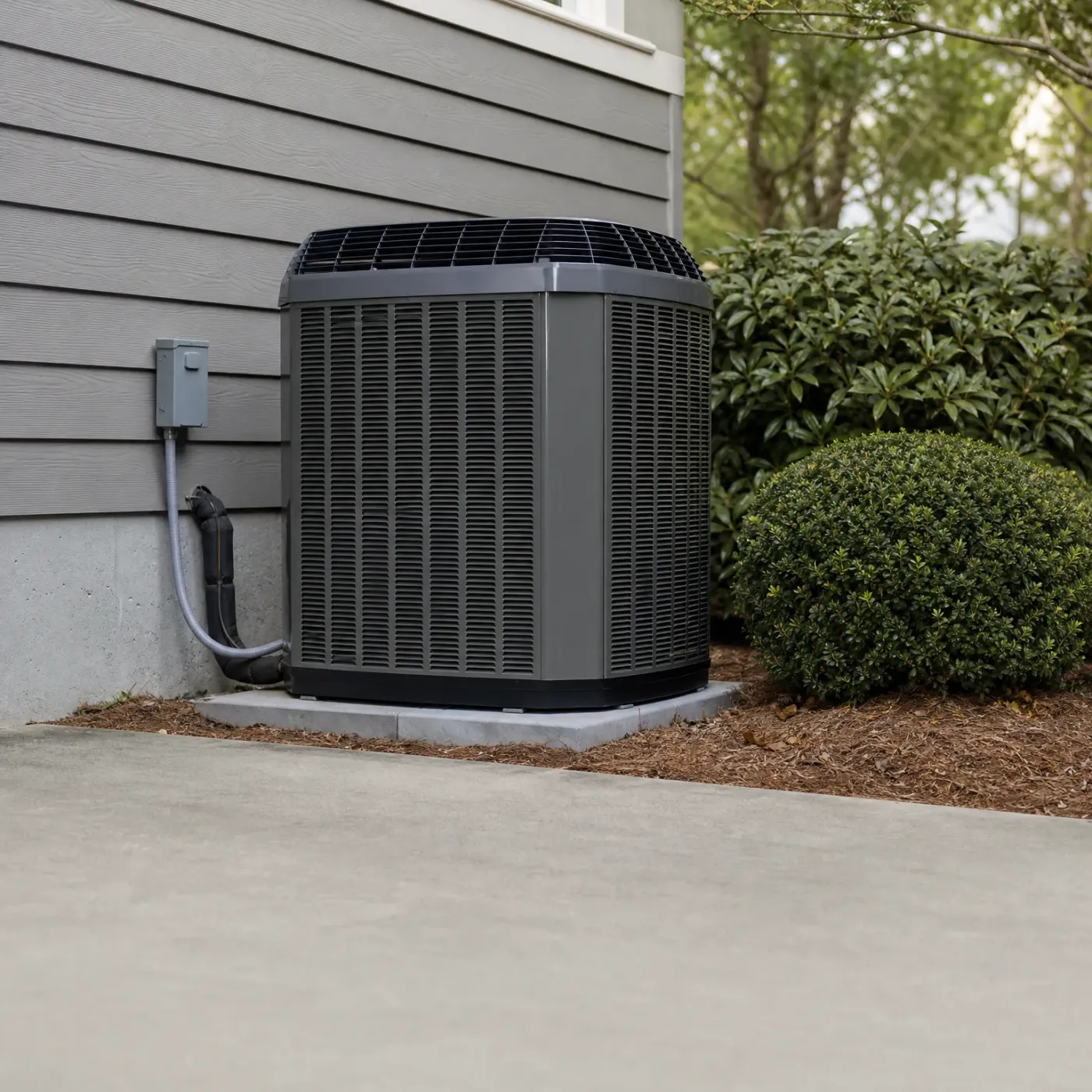
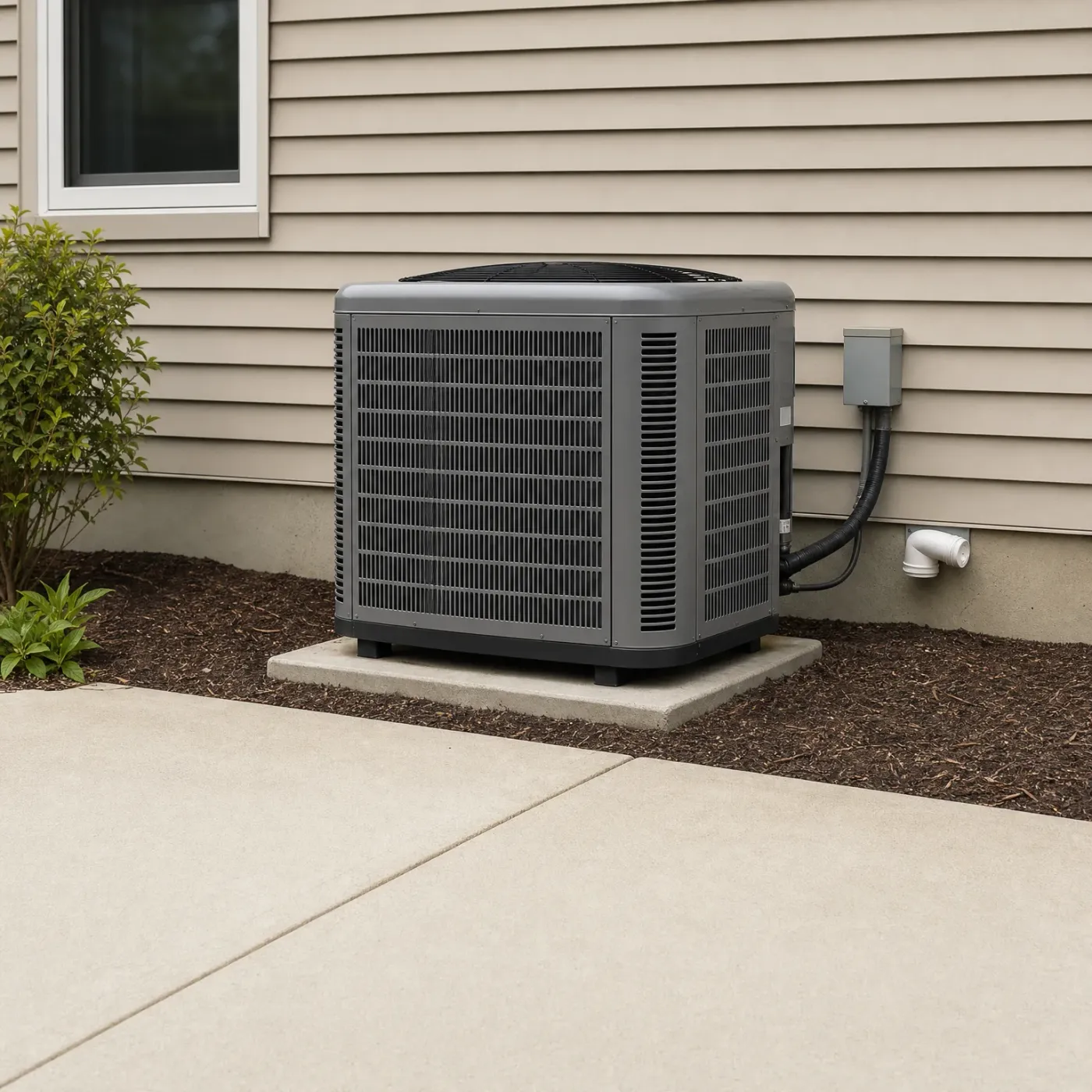
The coil on this unit is clear and the cabinet is clean, so outside air moves through it the way it's supposed to. It pulls what heat it can from the cold air and sends it inside without leaning on backup heat to make up the difference. The disconnect and lines are intact too.
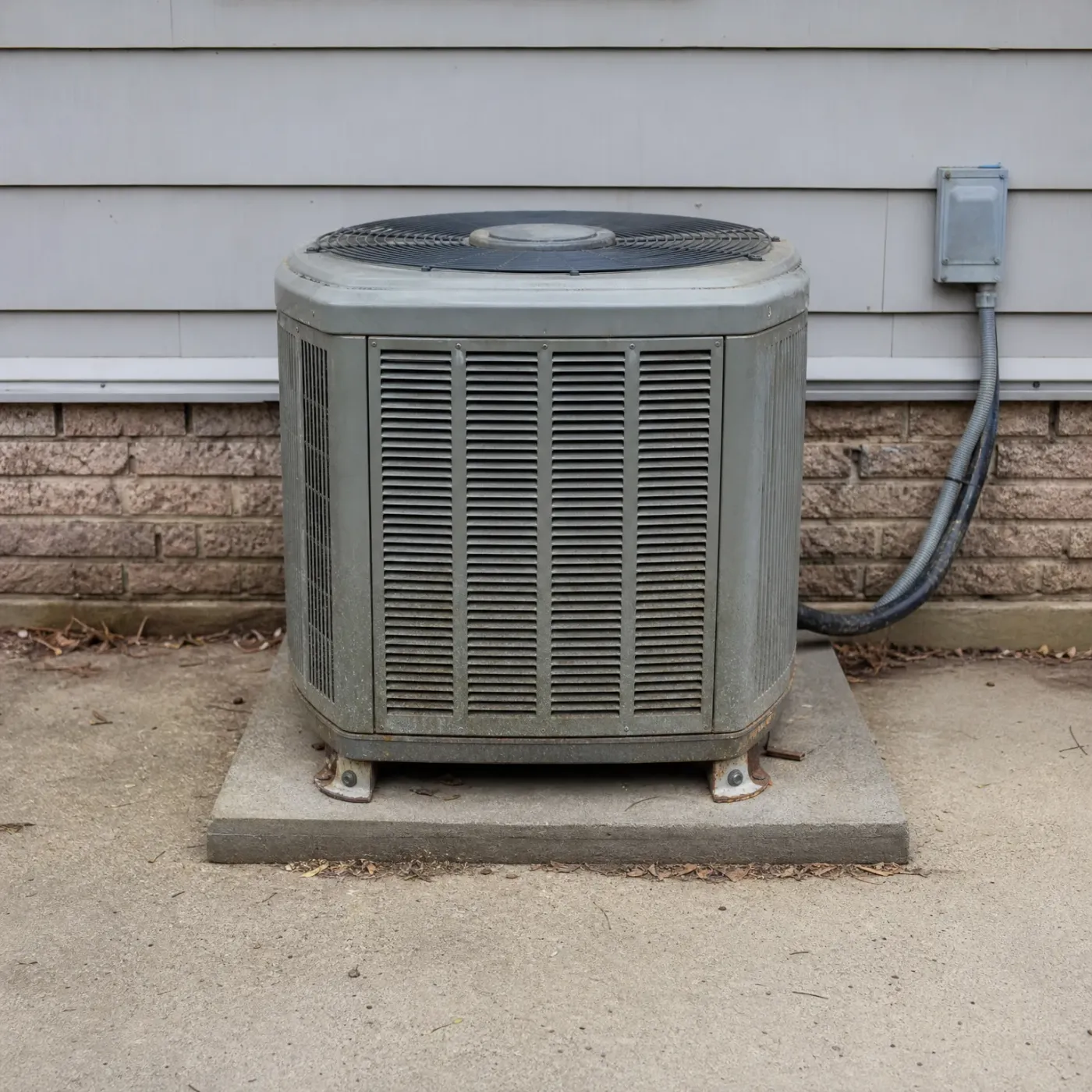
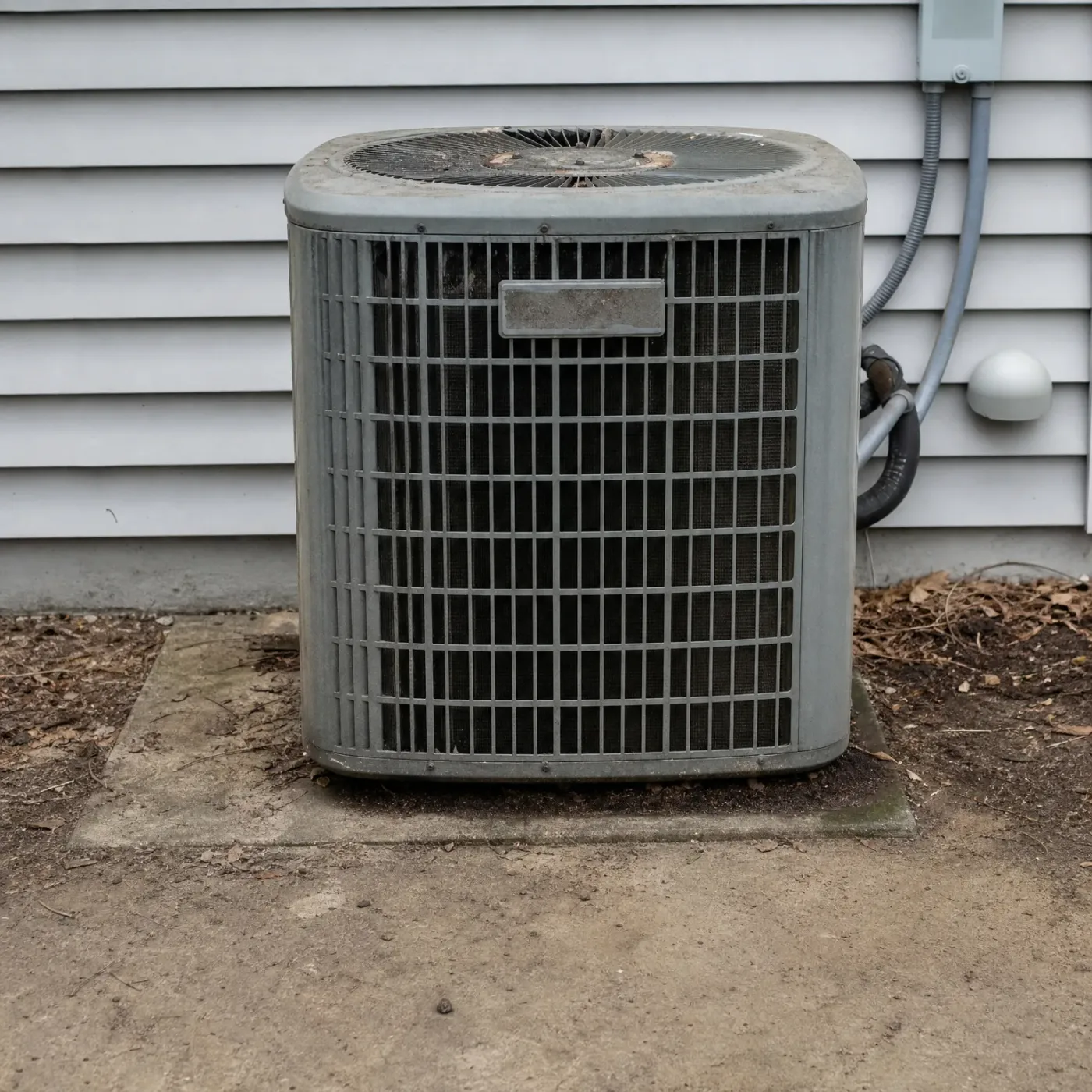
Dust and grime have built up across this coil, and weathering shows on the cabinet. A coil like this blocks airflow, so the unit works longer to pull the same heat from outside air and calls on backup heat sooner than it should. That extra runtime is what shows up on the bill.
At that rate, every hour the backup heat strip runs costs real money, since resistance heat uses so much more power than the heat pump alone. A few cold nights in a row and you'll see it on the bill before the month is out.
EIA-861 2025 statewide residential average
Your thermostat tells you the setpoint, not what's heating the house. A heat pump and a backup heat strip can both be running at once, and the display looks the same either way. The only way to know which one is carrying the load is to watch the outdoor unit or check the breaker panel. A contractor can tell in minutes from the amp draw. Most homeowners have no way to see it, so the bill is often the first sign that backup heat has been running more than it should.
Even a heat pump in good shape pulls more power at 20 degrees than it does at 45, because there's less heat in that cold air to move. That part is normal and happens in every home with one. What isn't normal is backup heat carrying the load on a night that isn't especially cold, or a unit that runs long after the house has reached its setpoint. That difference is what separates a weather-driven bill from one a contractor can bring back down.




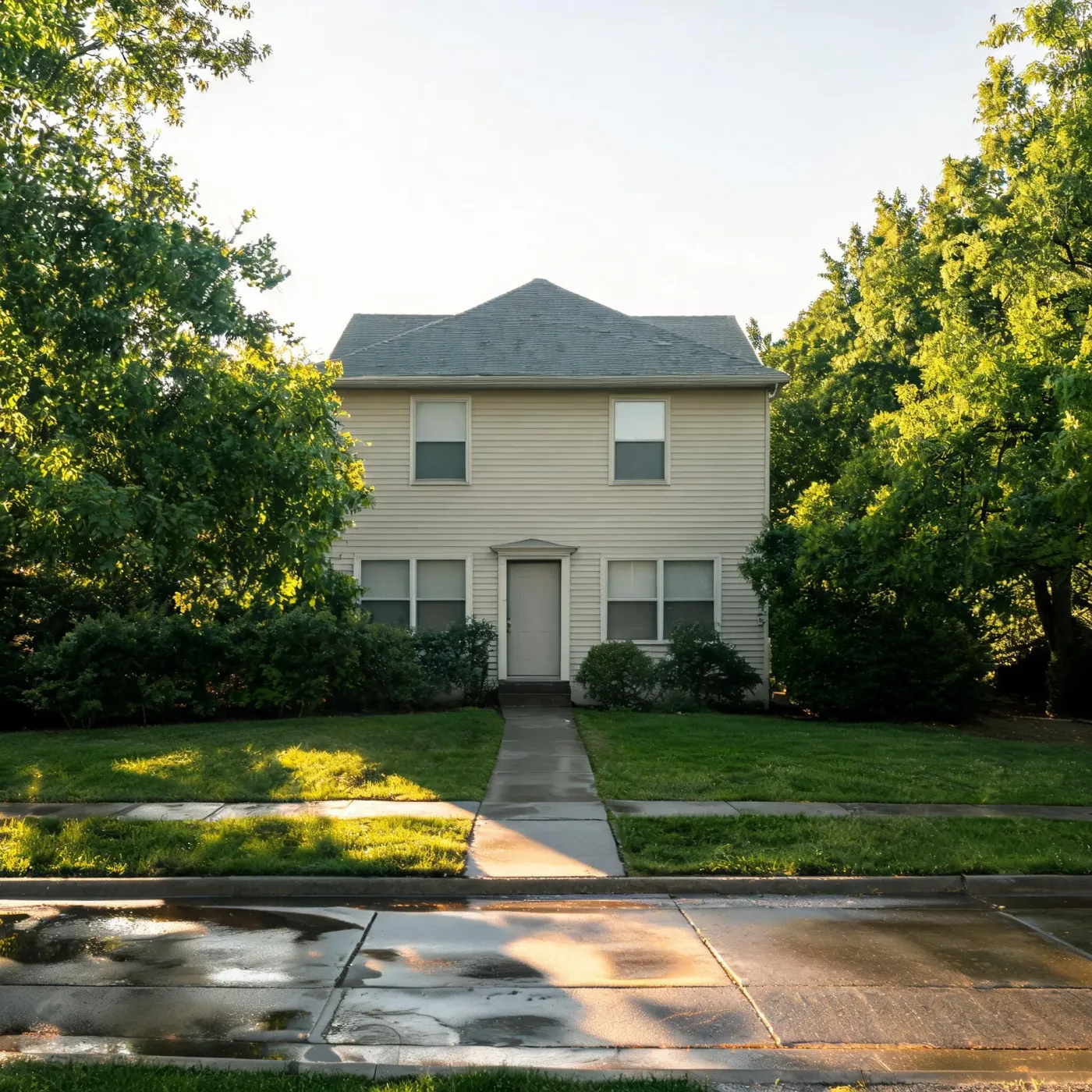
Summer here is part of why winter catches people off guard. Pennsylvania summers run a dew point near 61°F, according to NOAA climate data, which is sticky but not extreme. The heat pump handles that load fine, moving heat out of the house without much strain. Winter asks something different of the same unit. It has to pull heat out of air that's cold instead of pushing it into air that's hot, and below freezing there's a lot less of it to pull. The equipment that coasted through a muggy July is the same equipment leaning on backup heat in January. If the bill jump feels sudden, it's because the two seasons work the machine in opposite ways.
NASA POWER T2MDEW county cells weighted by homes

A heat pump in Pennsylvania has to work through real cold, and that alone will raise a bill. But a unit that's low on refrigerant, running a bad defrost sensor, or fighting a dirty coil doesn't just work harder, it leans on backup heat more than it should, and that's where the bigger jump comes from. The difference between a normal cold-weather bill and one that makes you stop and look twice usually comes down to whether the heat pump is running the way it was built to.
Figuring out which one you've got means someone looking at the unit itself, not guessing from the thermostat. If you'd rather skip calling around and explaining the same thing to a few different contractors, you can get matched with one who works on heat pumps in your area and have them reach out to you directly. You'll still want to know what you're asking about, and now you do.

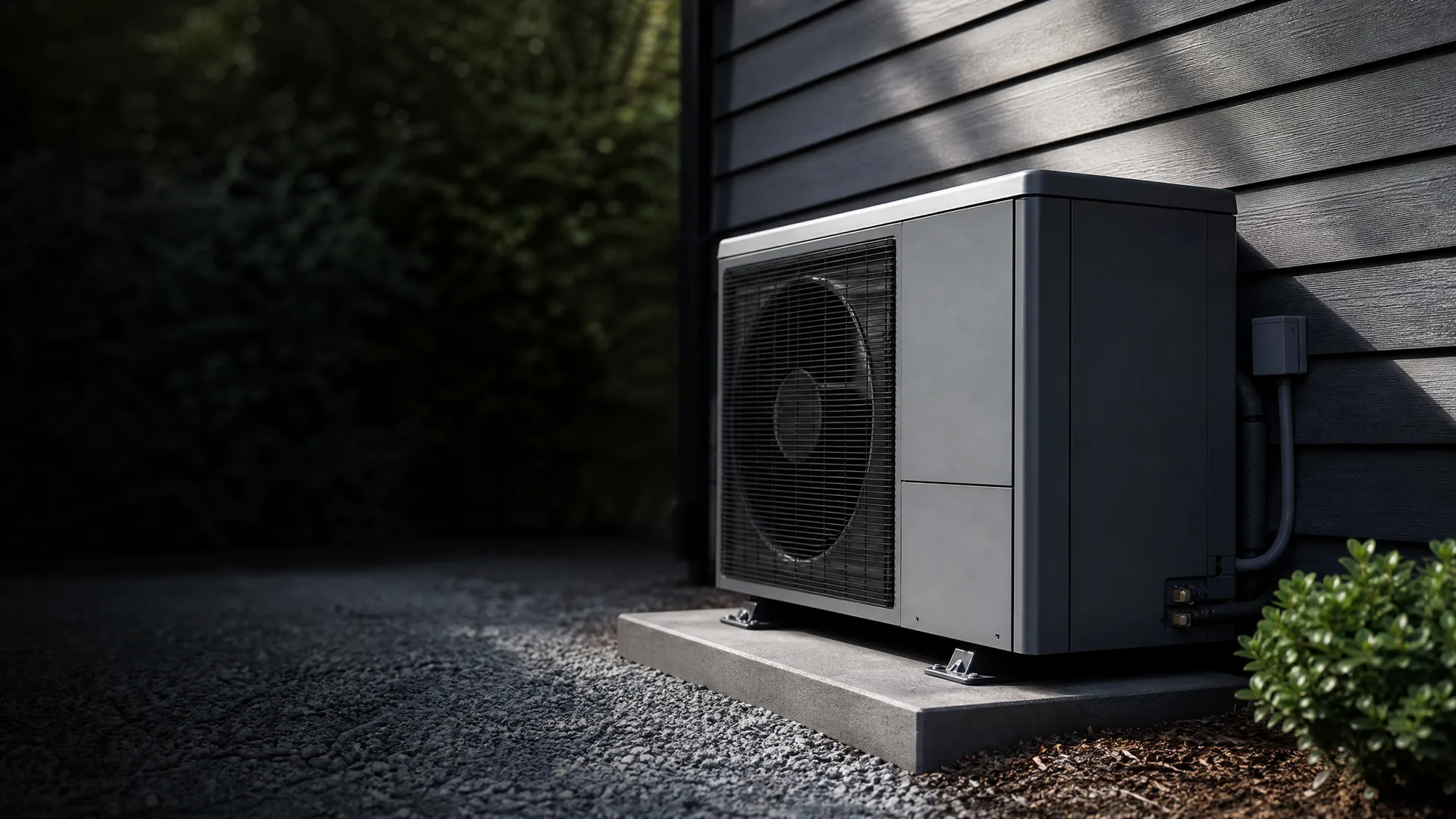
Get your heat pump to the right pro