Why your heat pump has ice on it in a Pennsylvania winter

Step 1 of 3: Equipment

A little frost on the outdoor unit in winter is normal. Your heat pump pulls heat out of the cold air outside, and the coil gets cold enough that moisture in the air freezes on it, same as frost on a car windshield. It runs a defrost cycle every so often to melt that off, and you may see steam coming off the unit when it does. That's fine. What's not fine is a thick coat of ice covering the coil or climbing up the sides of the cabinet. That usually means the defrost cycle isn't kicking in, or the unit isn't producing enough heat to melt the frost it does build up, often because of a low refrigerant charge, a failed defrost sensor or control board, or a fan that isn't moving air the way it should. Left alone through a Pennsylvania winter, that ice keeps the system from pulling heat from the air at all, and it can push you back onto backup heat strips that run up your electric bill fast.

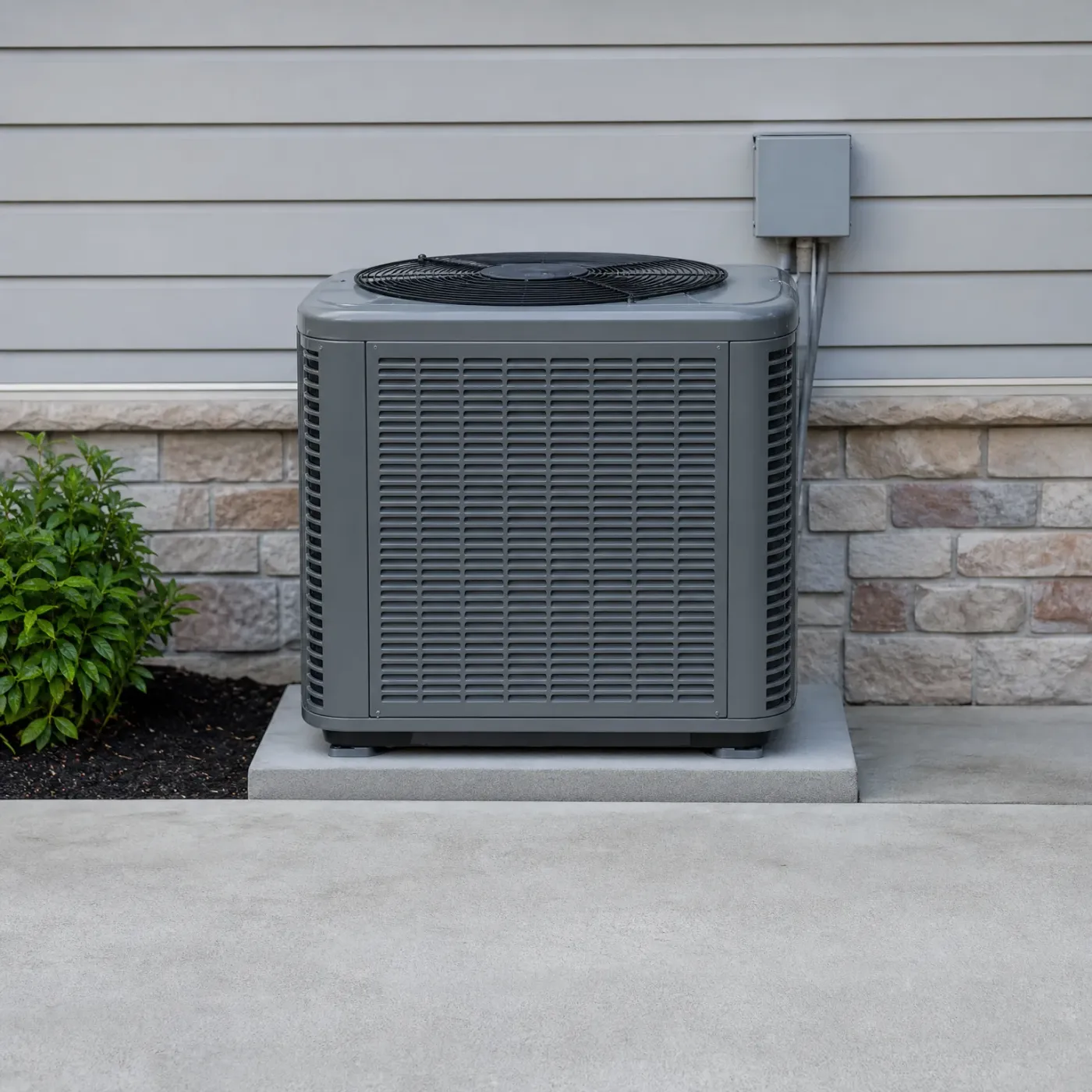
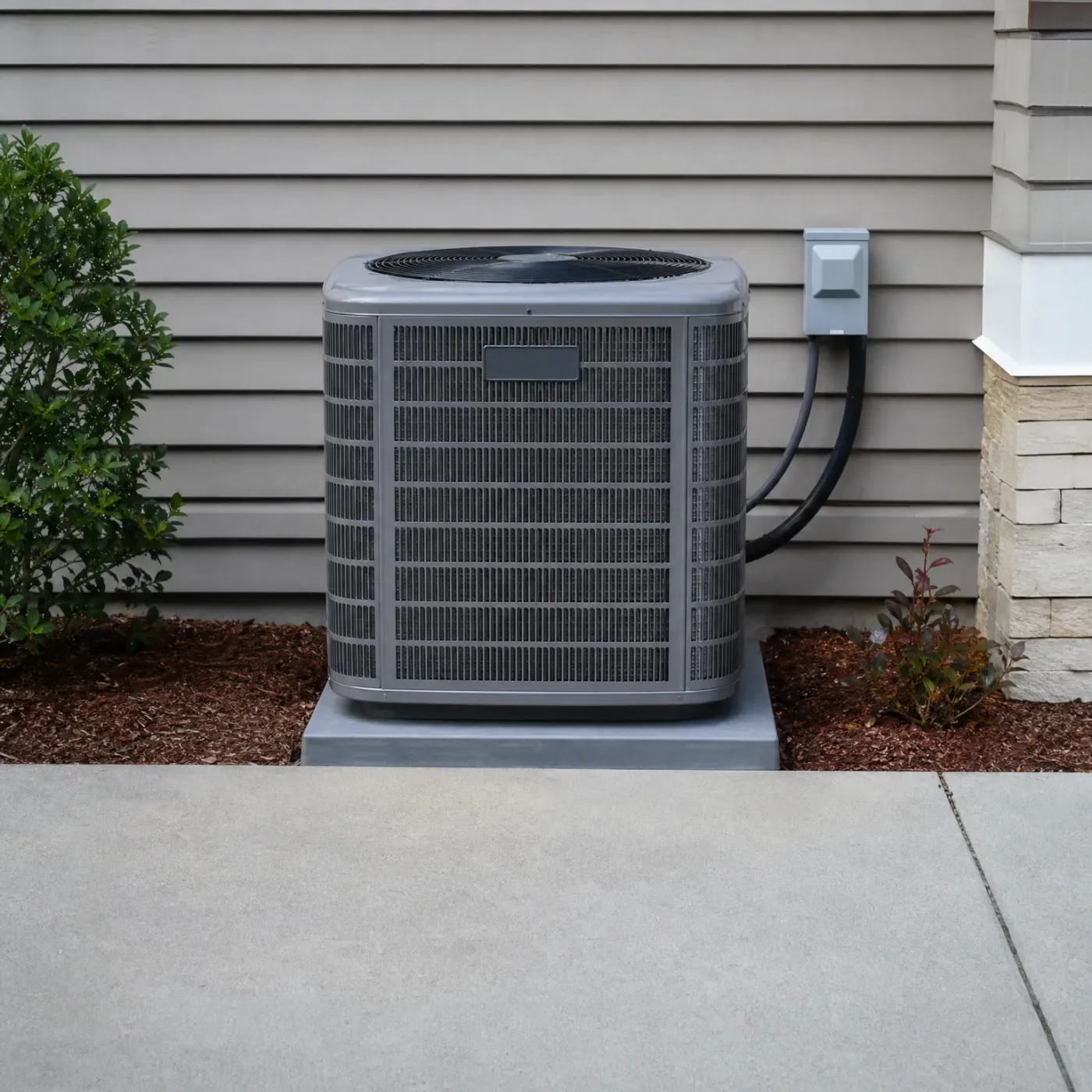
A gray outdoor condenser unit sits on a concrete pad against a house wall with horizontal siding above a stone veneer base, with an electrical disconnect box and conduit on the wall and a leafy shrub in mulch to the left.

Normal defrost frost

A thin, even coat of frost on the cabinet or coil, gone within an hour or so. You might hear the unit pause, a whoosh of air, maybe some steam. That's the defrost cycle doing its job. No puddle growing underneath, no ice creeping into the fan.
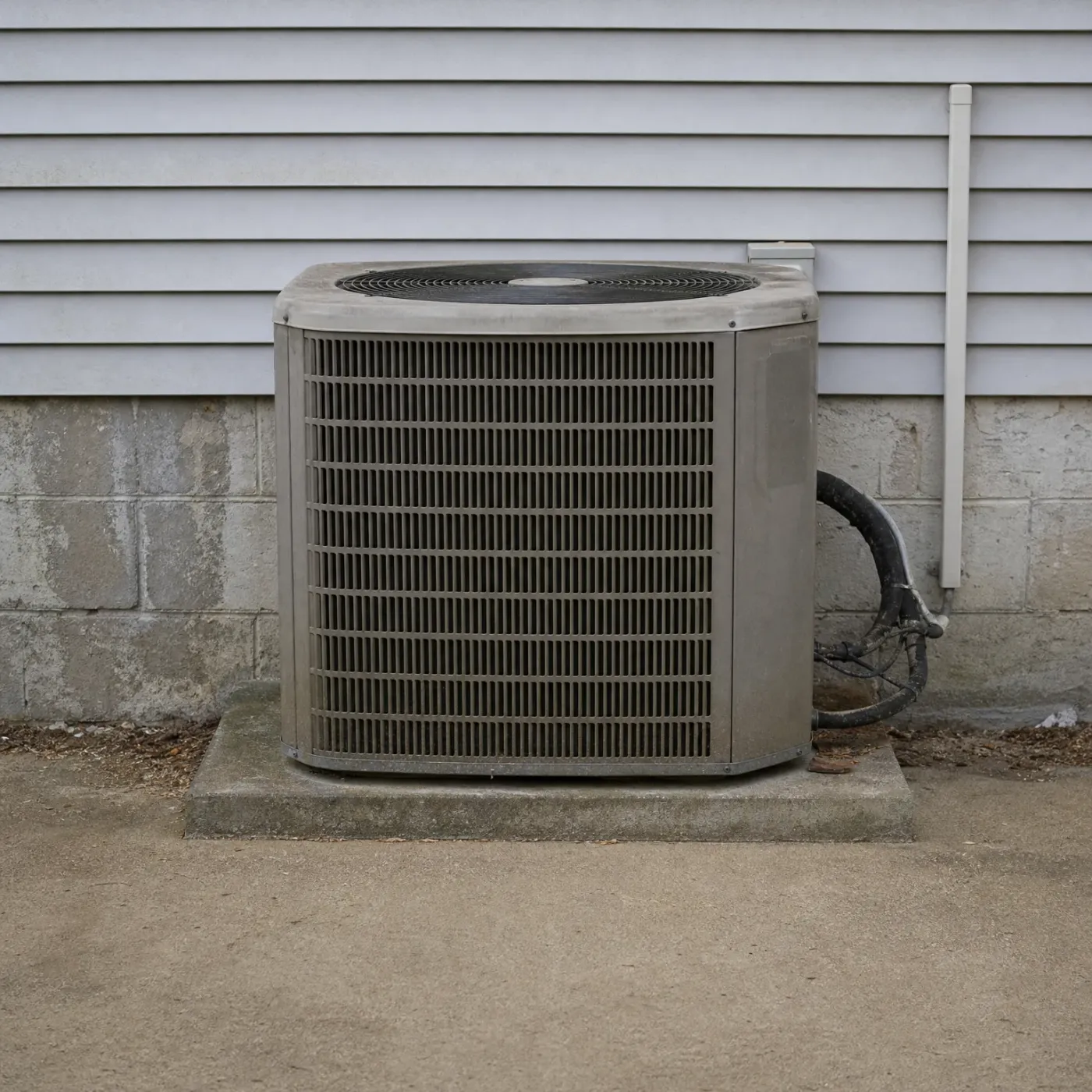
An outdoor air conditioner condenser unit on a concrete pad beside a house with horizontal siding above a concrete block foundation, with insulated refrigerant lines and a vertical white pipe on the wall.

Ice that means trouble

A thick, solid layer of ice, or ice built up on the refrigerant lines along the foundation, not just the coil. It doesn't melt off between cycles. The fan may be caked in or struggling to turn. That's a sign something inside needs a licensed technician to look at.

Is this just frost, or is your unit actually icing over

Walk out and look at it. If you're seeing a solid layer of ice over the coil, ice climbing up the refrigerant lines, or a sheet of it across the bottom that never seems to shrink even on a milder afternoon, that's not the normal defrost frost. You might notice the outdoor fan isn't turning, or the unit's been running nonstop without ever cycling off. Inside, the house may feel like it's not quite keeping up, or you're hearing the system run longer than usual to get the same warmth. Left alone, a heat pump that keeps icing over instead of clearing itself will struggle to pull heat from the air at all, and in Pennsylvania's cold, that means the backup heat kicks in more, and your electric bill climbs with it.

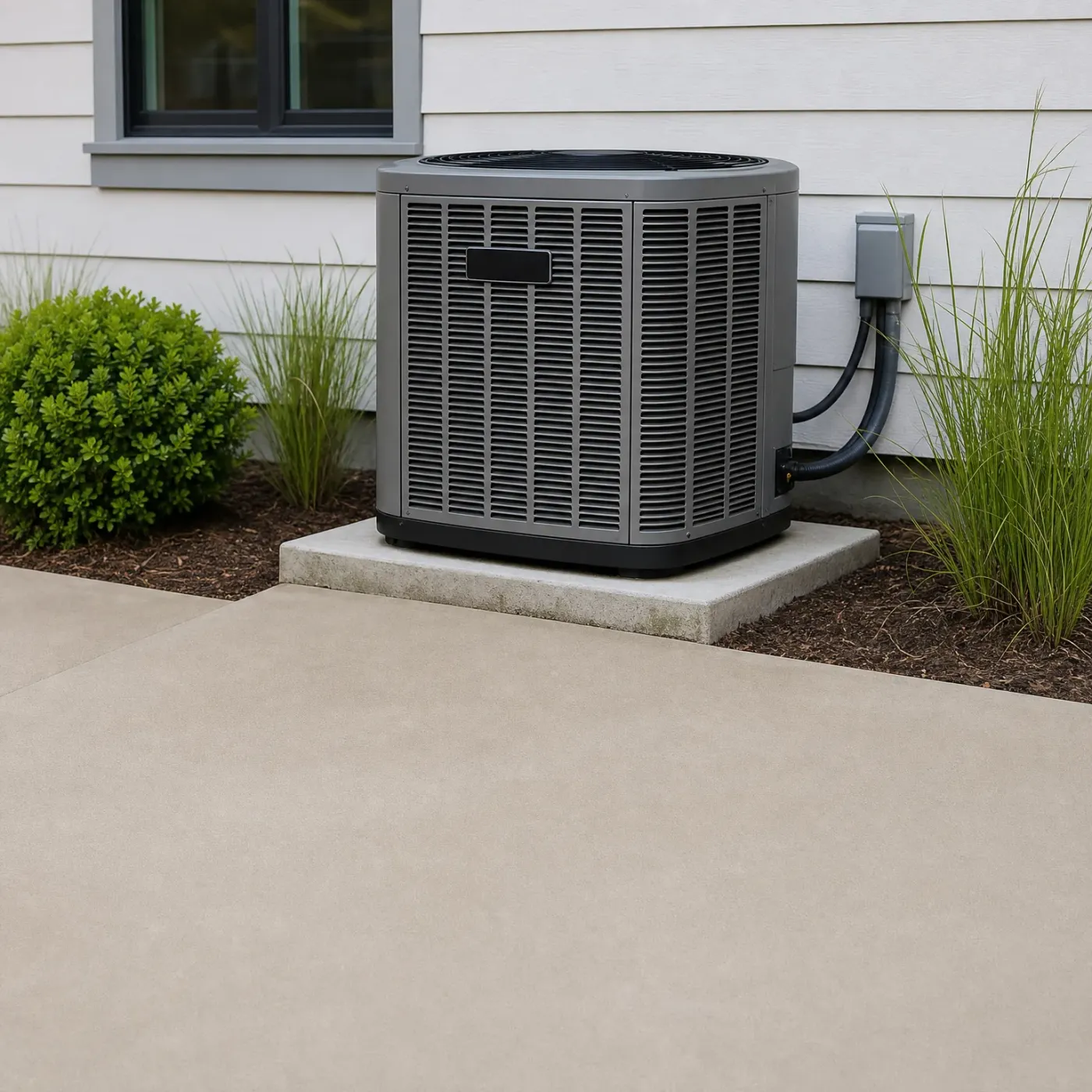
A gray outdoor condenser unit sits on a concrete pad beside a house with horizontal lap siding, with a wall-mounted disconnect box and refrigerant lines, mulched beds and a shrub nearby, and a concrete walkway in the foreground.

Running clean

This is what a heat pump should look like through a Pennsylvania winter. The cabinet is clear, the coil is visible, and nothing is built up around the base. Frost comes and goes with the defrost cycle, and the ground around the pad stays dry.

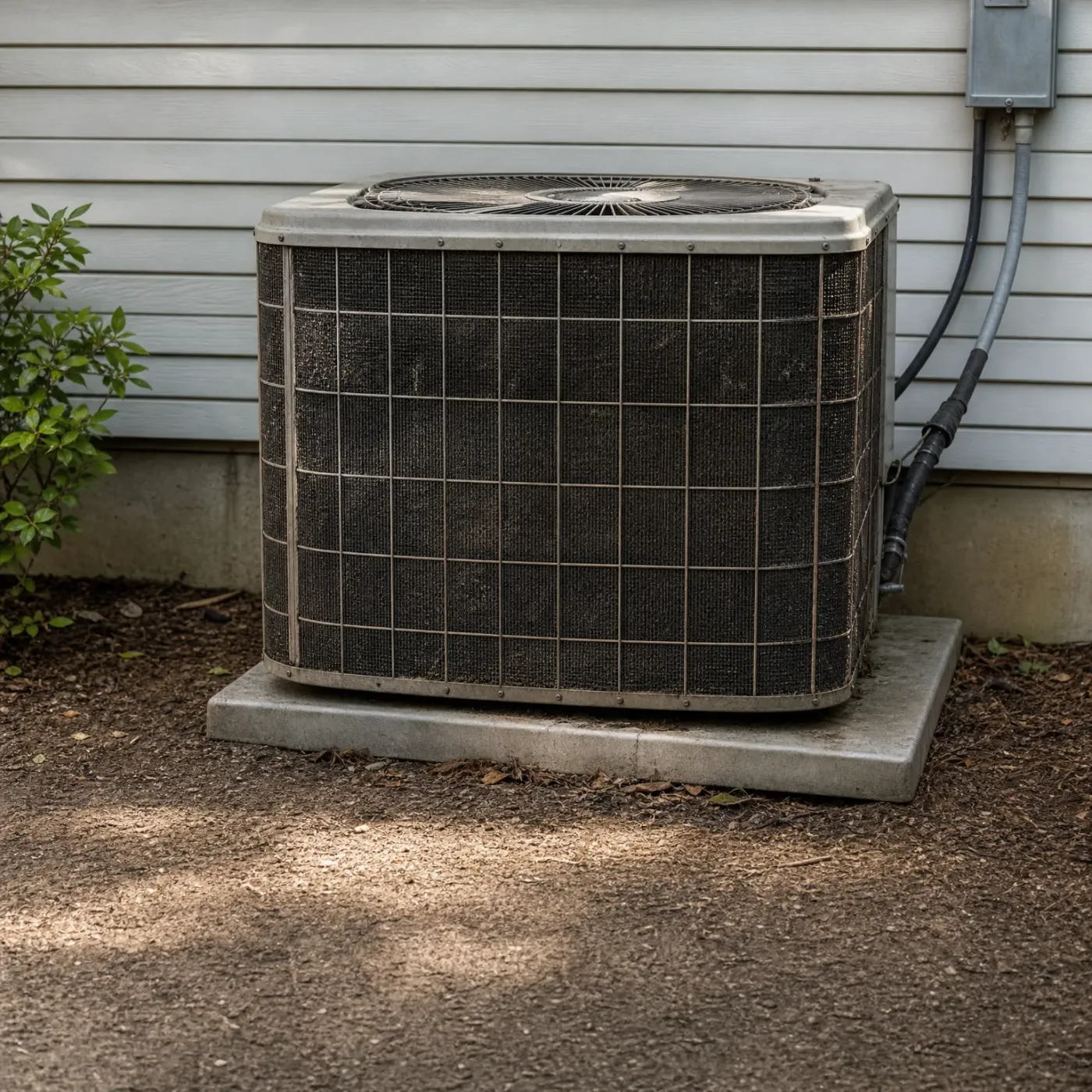
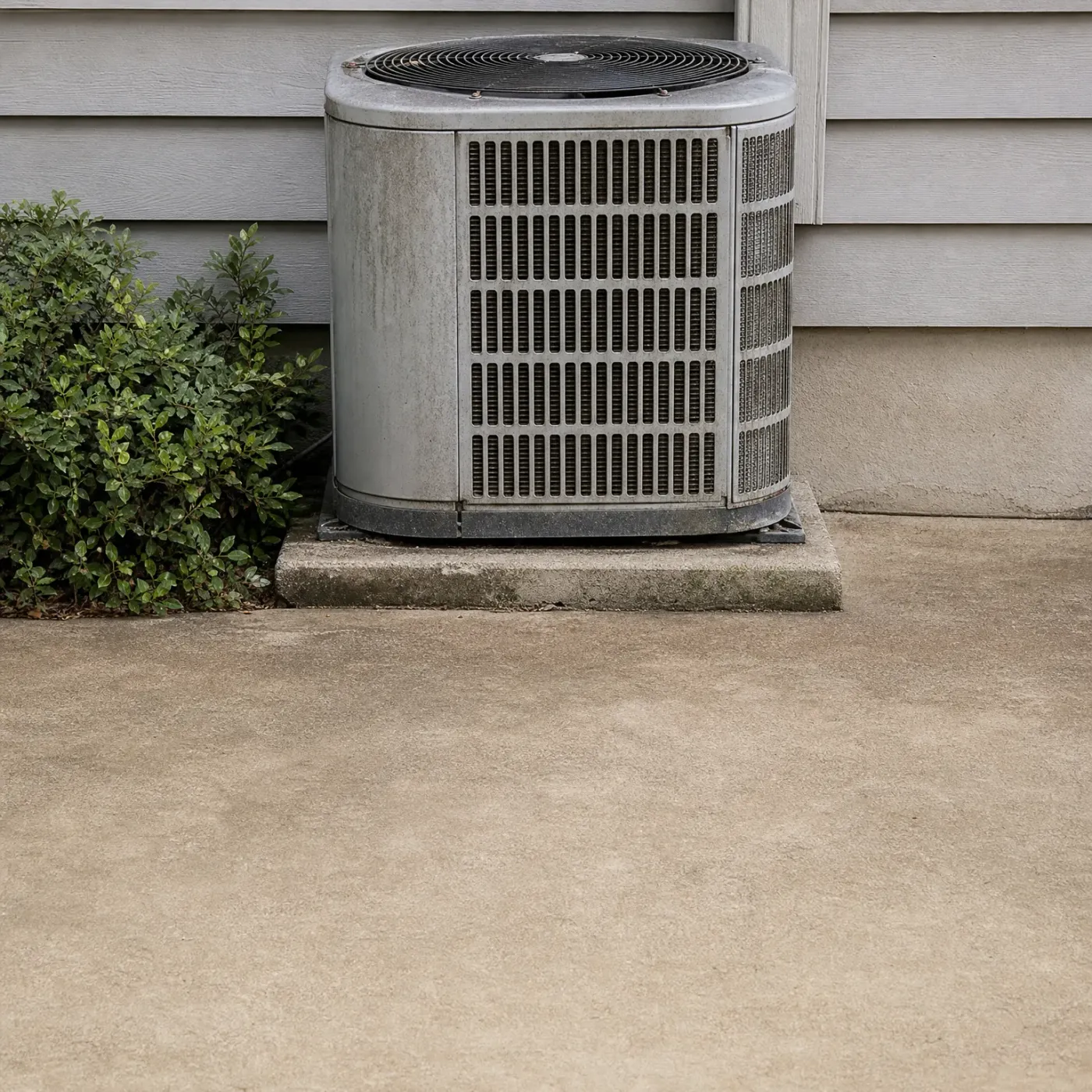
An outdoor air conditioning condenser unit with dusty coils sits on a concrete pad against light horizontal siding, with an electrical disconnect box and refrigerant lines on the wall and a shrub and mulch at left.

Iced over

This unit is caked, not frosted. Ice has worked down the refrigerant lines and across the cabinet, and the soil underneath stays wet from meltwater that never fully drains. A unit that looks like this usually isn't clearing itself on the next defrost cycle.

A gray-haired bearded man in a dark knit sweater sits on a light gray sofa in a sunlit living room, looking to his left, with a framed artwork, a potted palm, and a curtained glass door behind him.
A middle-aged man in a dark green sweater sits on a light grey sofa looking toward a sunlit window, with a wooden shelving unit, lamp and potted plants in the background.
A man in a dark green sweater sits on a light grey sofa in a sunlit living room, looking to his left, with a shelving unit, houseplants, framed art and a large window behind him.
A gray-haired bearded man in a dark green sweater sits on a light gray sofa in a sunlit living room with a potted plant, framed picture, and dark shelving in the background.

30 minutes, maybe less

That's roughly how long a normal defrost cycle takes to clear frost off the coil. Ice that's still there after that, or coming back fast, means something's wrong.

Send it today

A locked rotor won't turn

Heavy ice around the base or the fan can jam the motor. Running a unit like that in Pennsylvania's cold risks burning it out instead of just icing over.

Send it today

Call Someone Now, or Wait It Out

Keep running it

  • Ice around the base or up the lines usually means a problem with defrost control, not a cracked part, and a contractor can often fix it in one visit.
  • The compressor and coil are typically the most expensive parts in the unit, and they're often fine even when the outside is caked in ice.
  • A failing defrost sensor or reversing valve costs far less to replace than the whole outdoor unit.
  • If the unit is only a few years old, repair keeps you from paying twice, once for parts and labor now and again for a full system down the road.
  • Running on borrowed time still beats no heat at all while you wait on a installer to free up a slot for a full swap.

Shut it down and call

  • A locked rotor from ice around the fan can burn out the fan motor if the unit keeps trying to turn against it.
  • Ice creeping up the refrigerant lines points to a low charge or a stuck valve, and running the system low on refrigerant can damage the compressor.
  • If the same spot ices over every few days no matter what gets cleared, that's a repeat problem, not a one-time glitch, and it needs a licensed tech to find why.
  • A unit that won't finish its own defrost cycle anymore is telling you the control board or sensor has already failed, not that it's about to.
  • Letting it run iced over through a Pennsylvania winter risks a harder, costlier repair by the time anyone looks at it.
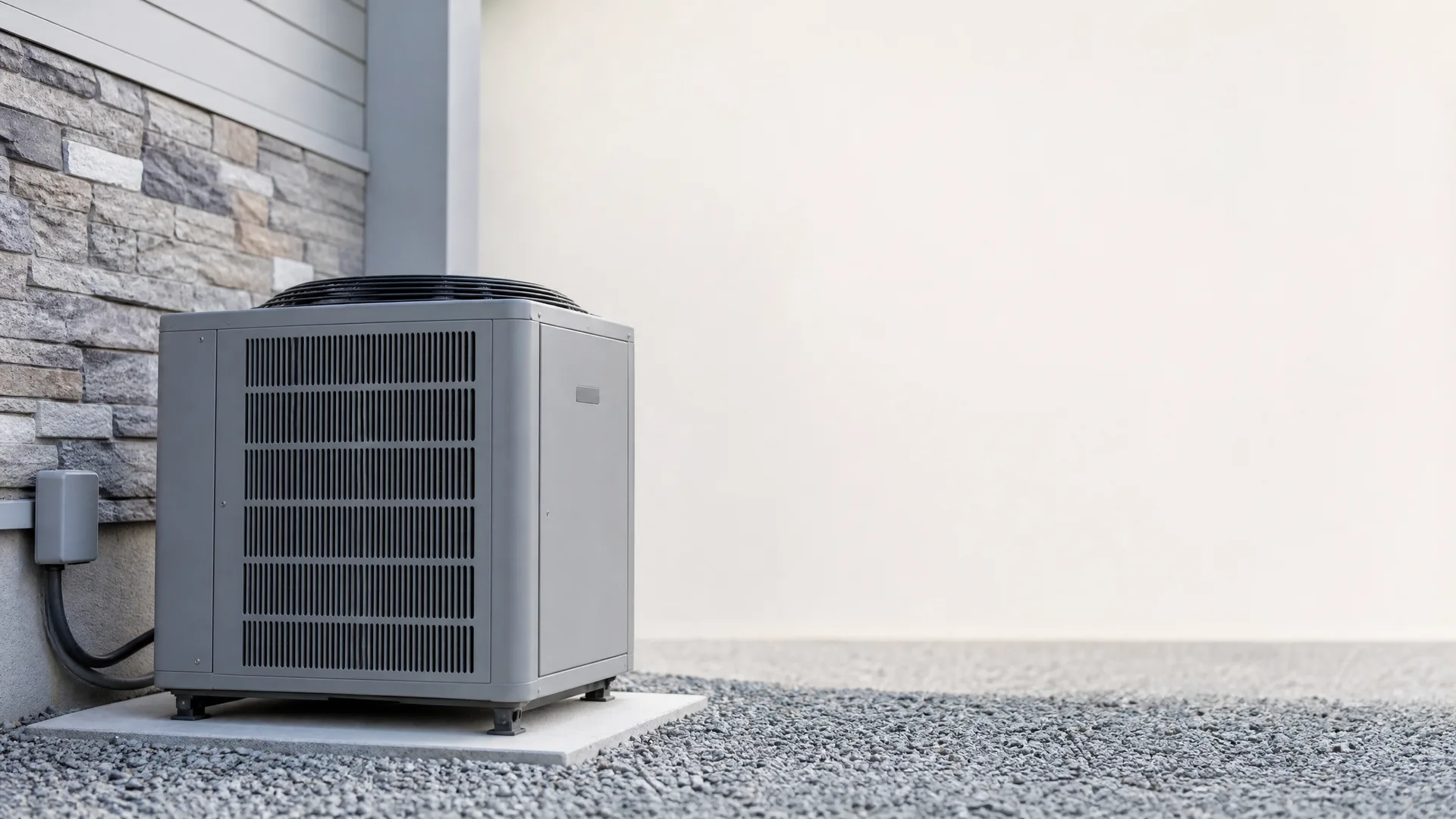
A gray outdoor condenser unit on a concrete pad beside a house with stacked stone and horizontal siding, surrounded by gray gravel and a plain light wall.

Letting it run while iced

A heat pump that's icing over, not just frosting, can still limp along for a while. The fan keeps spinning, the compressor keeps working, but it's pulling heat through a coil half buried in ice. It'll run longer to put out less warmth, and the parts doing the extra work are the ones that cost the most to replace. Pennsylvania winters are long enough that a few weeks of this adds up on the parts and on the power bill.

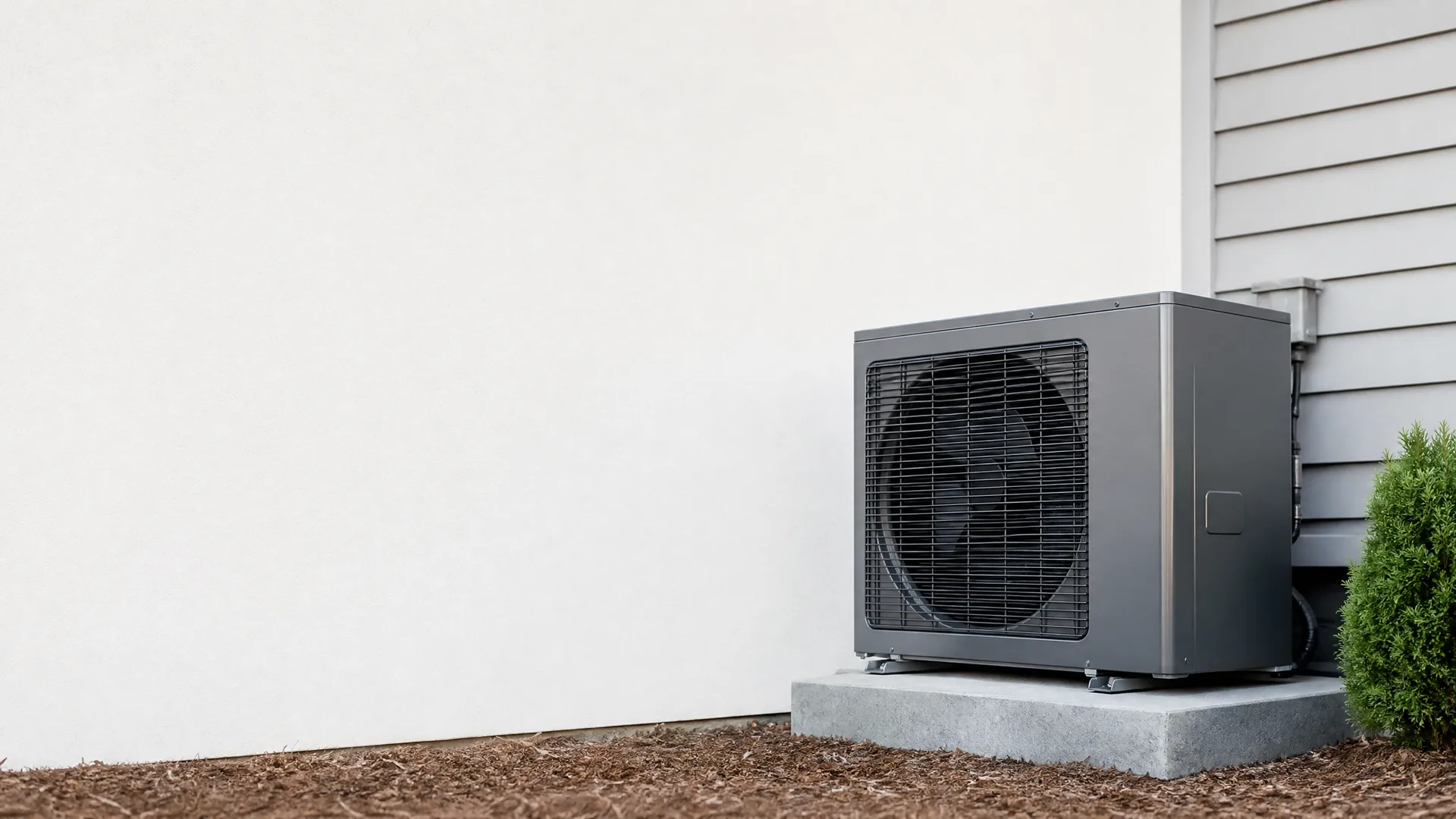
A dark gray outdoor heat pump unit sits on a concrete pad beside a white stucco wall and lap-sided house corner, with mulch and a small shrub in the foreground.

Getting the defrost checked

A contractor who works on heat pumps all winter has usually seen this exact problem before: a defrost control board that's stopped telling the unit when to run its cycle, a sensor reading wrong, or a reversing valve stuck in the wrong position. Most of the time it's one part, not a rebuild. Catching it while the compressor and coil are still intact is a lot less than catching it after they've failed from running iced over for weeks.

Power costs 19.29 cents per kilowatt-hour statewide

When a heat pump ices over and has to work through it, it draws more power to do the same job, and at 19.29 cents a kilowatt-hour that shows up fast on your bill. A unit running clean through defrost costs a lot less to keep up with.

EIA-861 2025 statewide residential average

Call a contractor now, while it's just icing

Wait, and the coil can't pull heat from the air at all. The unit runs flat out doing nothing, the compressor strains against ice it was never built to push through, and a same-day fix turns into a full replacement.

A woman with shoulder-length graying brown hair in a cream knit cardigan sits in a dark armchair indoors, looking off to the side with a slight smile, with a shelf, window and houseplant blurred behind her.
A woman with her hair in a bun holds a sleeping boy against her shoulder, both wrapped in a thick cream knit blanket on a couch in a dim room with a lit lamp, potted plants and a shelf behind them.

Hand off the heat pump problem

Your request stays with one local pro.

No fee to send it, and nothing to sign.

  1. Outdoor coil temperature drops low enough that moisture in the air freezes on it.

  2. A sensor on the coil reads the temperature and tells the control board.

  3. The reversing valve switches and sends hot refrigerant backward through the outdoor coil.

  4. The outdoor fan shuts off so heat isn't blown away before it melts the ice.

A gray outdoor condenser unit on a concrete pad beside a light-colored horizontal-siding house, with a disconnect box and refrigerant line on the wall, ornamental grasses and a shrub in mulch nearby, and a concrete patio in the foreground.
A heat pump sitting in a mulched bed with a clear disconnect box close by and nothing blocking the coil.
An outdoor air conditioning condenser unit on a concrete pad beside a house with horizontal lap siding, with a green shrub to the left and a wide concrete slab in the foreground.
The same kind of unit crowded against bare vinyl siding on a slab of concrete, with no room for air to move around it.
A single-story house with light gray horizontal siding, dark gray shingled gables, black shutters and a dark front door, fronted by a mulched bed of small shrubs and a large lawn under a clear blue sky.

Humidity is what loads up the coil to begin with. Summers in Pennsylvania run a dew point around 61°F, an average held over June, July and August by NOAA's weather data, which is heavy enough that your heat pump pulls a lot of moisture out of the air just running the AC side. That moisture doesn't disappear once the weather turns cold. It's part of why the coil frosts the way it does in winter and why defrost cycles have real work to do. A unit that's already run hard through a wet summer goes into heating season carrying that same coil, same refrigerant charge, same defrost controls, into the months when ice becomes a problem instead of routine frost.

NASA POWER T2MDEW county cells weighted by homes

Why does my heat pump have ice on it but still runs the defrost cycle?

You've watched it go through a defrost cycle, the fan stops, you hear the whoosh, maybe steam rises off the coil, and the unit seems to be doing what it's supposed to. But when it's done, the ice is still there, or most of it is. It's easy to assume that because the cycle ran, the system is working fine, but that's not always what's happening.

The defrost cycle is running, but it isn't finishing the job

A defrost cycle starting doesn't mean it's clearing the coil. The reversing valve switches, hot refrigerant runs backward through the outdoor coil, and that's usually enough to melt a normal coat of frost in half an hour or less. If the valve is sticking, or the sensor that tells the control board when to end the cycle is reading wrong, the system can shut it off too early, over and over, while ice keeps building between tries. From the yard it looks like the unit is working the way it should. Inside, it's running a cycle that never gets far enough to matter. That's a defrost control problem, not a sign the whole unit is failing, and it's the kind of thing a contractor can usually track down and fix in one visit.

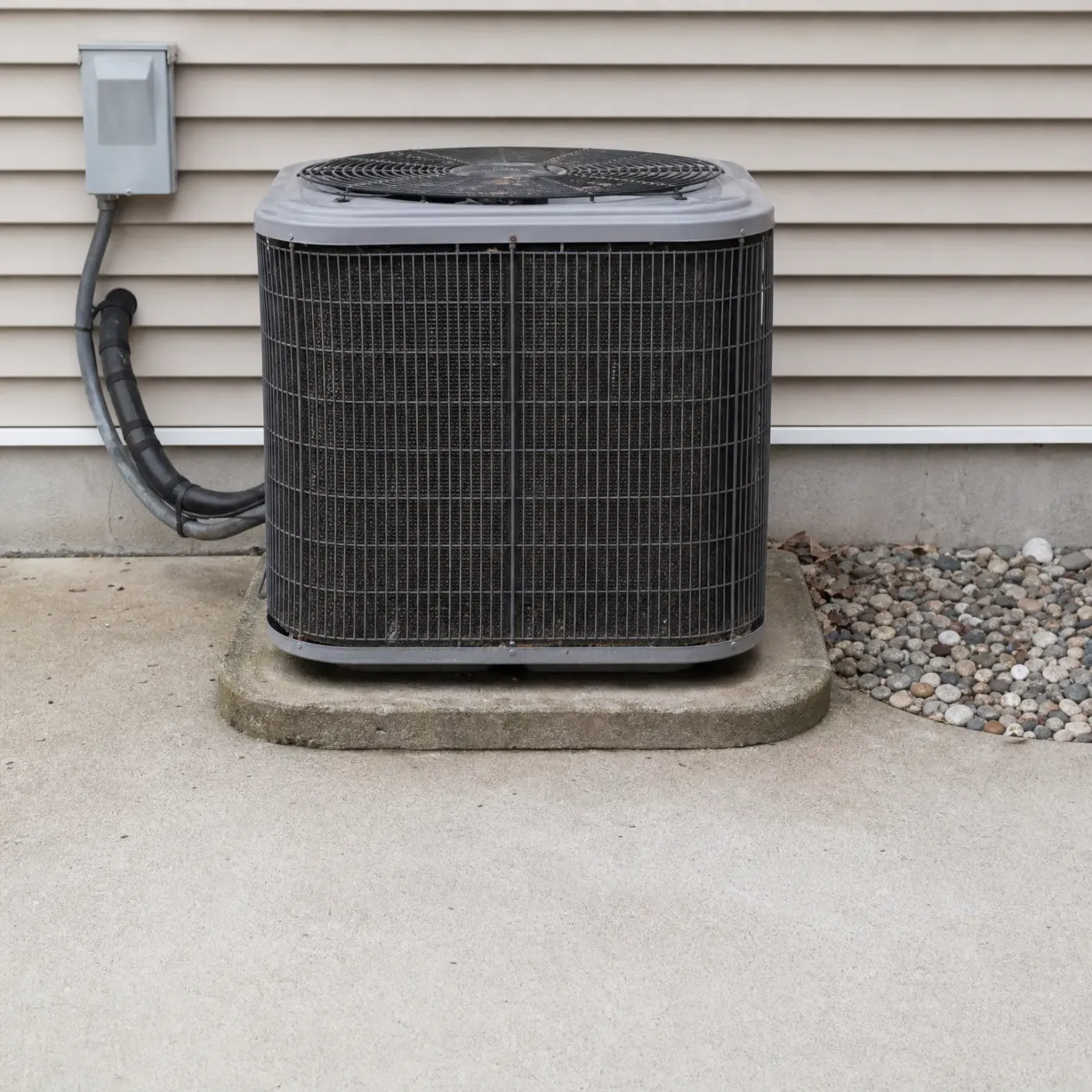
An outdoor air conditioner condenser unit on a concrete pad beside a house with beige vinyl siding, with a gray electrical disconnect box and insulated refrigerant lines on the wall and river rock to the right.
Before you get your heat pump repair
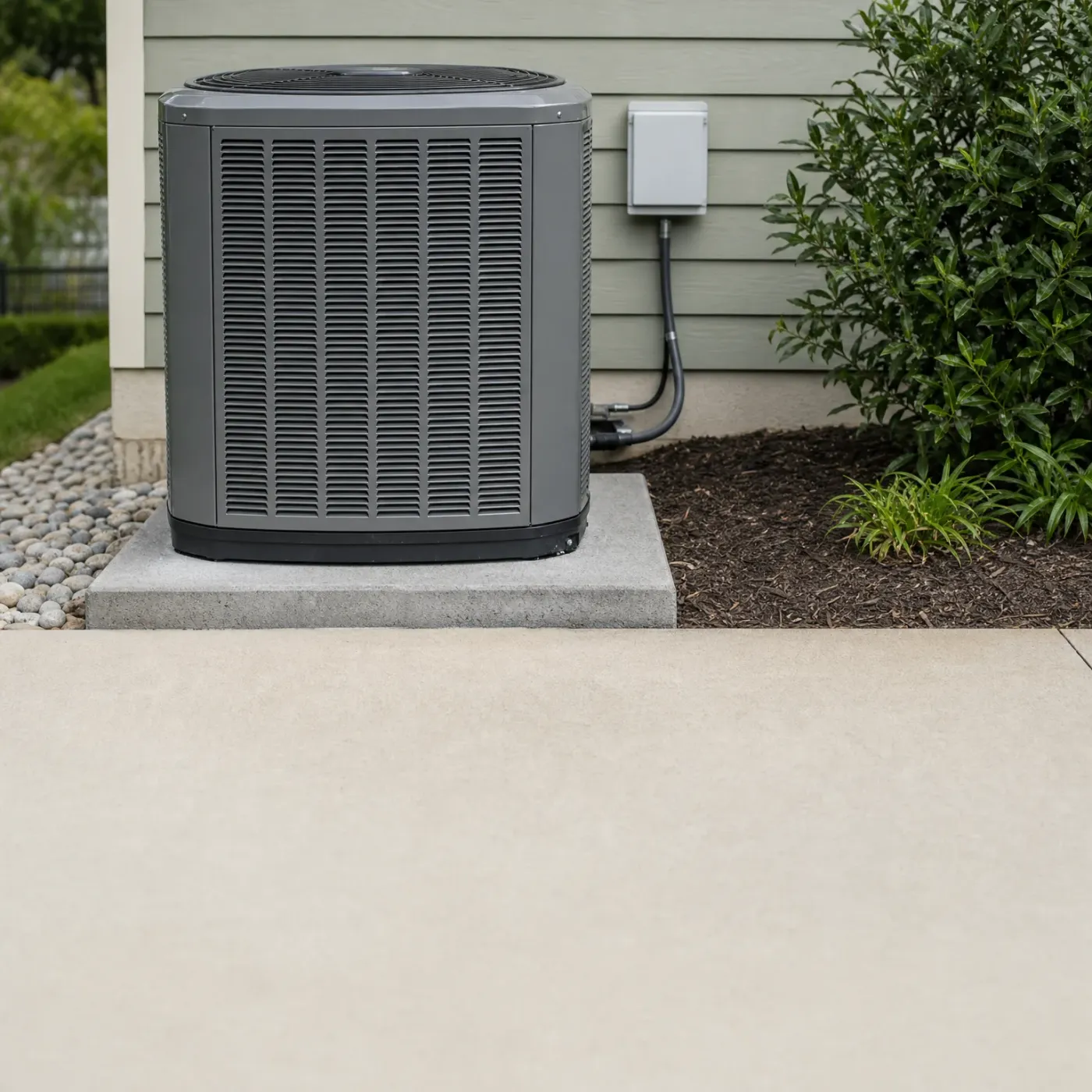
A gray outdoor condenser unit on a concrete pad beside a light green lap-sided house, with a wall-mounted electrical disconnect box, mulch bed with shrubs, river rock, and a paved walkway in the foreground.
After you get your heat pump repair

Where Things Stand Now

  • Frost that clears within a normal defrost cycle is fine; ice that builds up around the base or climbs the lines means something in the defrost control needs attention.
  • Left alone through a Pennsylvania winter, an icing unit draws more power to do less heating and can push a compressor toward damage it won't recover from.
  • A contractor who works on heat pumps all winter in this area has likely seen the same failure on a dozen other units already this season.
  • Catching it while it's still icing, not yet locked solid, is usually a single visit instead of a full replacement.
  • Your request goes to one licensed, local contractor, not a handful of companies competing for the job.
  • Once the ice is gone and the defrost cycle runs clean, the unit is back to pulling heat the way it's supposed to.

Frost that comes and goes with the defrost cycle was never the problem. Ice that stays, that builds around the base or works its way up the lines, is the thing worth getting looked at before it gets worse. That's the whole answer this page set out to give you.

What happens next matters more than the diagnosis. A heat pump that's icing over in January doesn't wait well. The longer it runs like that, the harder the compressor works for less heat, and compressors don't come back once they've been pushed that far. Catching it early, while it's still just icing and not locked under a solid sheet, is usually a repair a contractor can finish in one trip.

Who shows up for that trip matters too. Heat pumps in Pennsylvania go through defrost cycles all winter long, and a contractor working this area has likely already seen this season's version of your problem on someone else's unit. That's not a guess about who'll call you back, it's what the equipment and the climate here make likely. When you send a request through this page, it goes to one licensed, local contractor, not out to a pile of companies all chasing the same lead. One call, one qualified person looking at your unit, not a string of competing bids landing on your phone the same afternoon.

Once that visit happens and the defrost control is doing its job again, the ice stops coming back, and the unit goes back to pulling heat out of the cold air the way it's built to.

Kitchen corner with cream upper cabinets, oak lower cabinets, white marble-look countertop, beige tile backsplash, a ceramic vase of greenery, a wooden cutting board and bowl, and a black-framed window at right.
Interior corner of a room with a white-framed window and wide sill, beige walls with panel molding, a wooden cabinet holding a ceramic vase with a green leafy plant, and blurred shrubs and trees outside.
A wood-framed armchair with beige cushions and a woven lumbar pillow sits in a corner beside a large window overlooking green trees, with a tall ceramic vase holding leafy branches on the left and plaster walls and wood flooring.
Interior corner with a white-framed window above a sill, beige walls with baseboard molding, a greige shaker-style cabinet with brass knobs and a potted plant on top, light wood flooring and a woven jute rug.
A dark-framed six-pane window with white trim and sill set in gray horizontal lap siding, with hydrangea shrubs below and a white column and shingled roof section at left.

Done looking for a heat pump pro

Your request goes to one pro, not a list of companies.

Get one local pro

Sending the form costs nothing.