 Request a pro
Why your heat pump keeps short cycling in Pennsylvania
A local pro who knows heat pumps gets your details and gets in touch.
A heat pump that turns on and off every few minutes isn't resting between cycles. It's struggling to finish one. In a Pennsylvania winter, that struggle shows up fast, because the unit is working harder just to keep up with the cold outside.
Short cycling wears on the parts that are expensive to replace: the compressor, the reversing valve, the board that controls the whole sequence. Every restart draws a jolt of power to get the compressor moving again, and with electric rates what they are here, that adds up on a bill you're already watching closely in January and February.
It's not always the same cause twice. A frozen outdoor coil behaves differently than a stuck reversing valve or a thermostat sensor reading the room wrong. Low refrigerant shows different symptoms than a filter clogged enough to choke airflow. Figuring out which one you have means someone actually looking at your system, not guessing from a list of possibilities.
That's where a local contractor matters. Someone who works on heat pumps through a full Pennsylvania winter has seen which parts give out first in weather like this, and what usually causes short cycling in a system your age, in a house like yours. That's different from a technician who mostly works on furnaces and sees a heat pump twice a season.
When you ask for help through this page, you're matched with one contractor who serves your area, licensed to do the work and familiar with the equipment homeowners here actually run. Not a handful of companies competing for your callback, just the one who fits your situation, reaching out to you directly to look at what's going on.
Below, you'll find what typically causes a heat pump to short cycle and how to narrow it down before anyone comes out. But if you'd rather skip straight to having someone look at it, that's what the button above is for.
A heat pump that short cycles is turning on, running a few minutes, and shutting off before it finishes a full heating or cooling run. Most often it's because the system is overheating or overcooling past its set point too fast, which happens when a thermostat is reading the room wrong, a filter is clogged enough to choke airflow, or the refrigerant charge is low. In winter here, a frozen outdoor coil can trip the same shutdown, since the unit senses trouble and cuts out rather than keep forcing air through ice. A dirty flame sensor or ignitor isn't the cause here since a heat pump has neither. Short cycling wears on the compressor every time it restarts, and it means the rooms you're trying to heat or cool never quite get there. The parts involved, the thermostat, the coil, the refrigerant lines, need a technician to check in person, since guessing at which one is misbehaving from inside the house isn't possible.




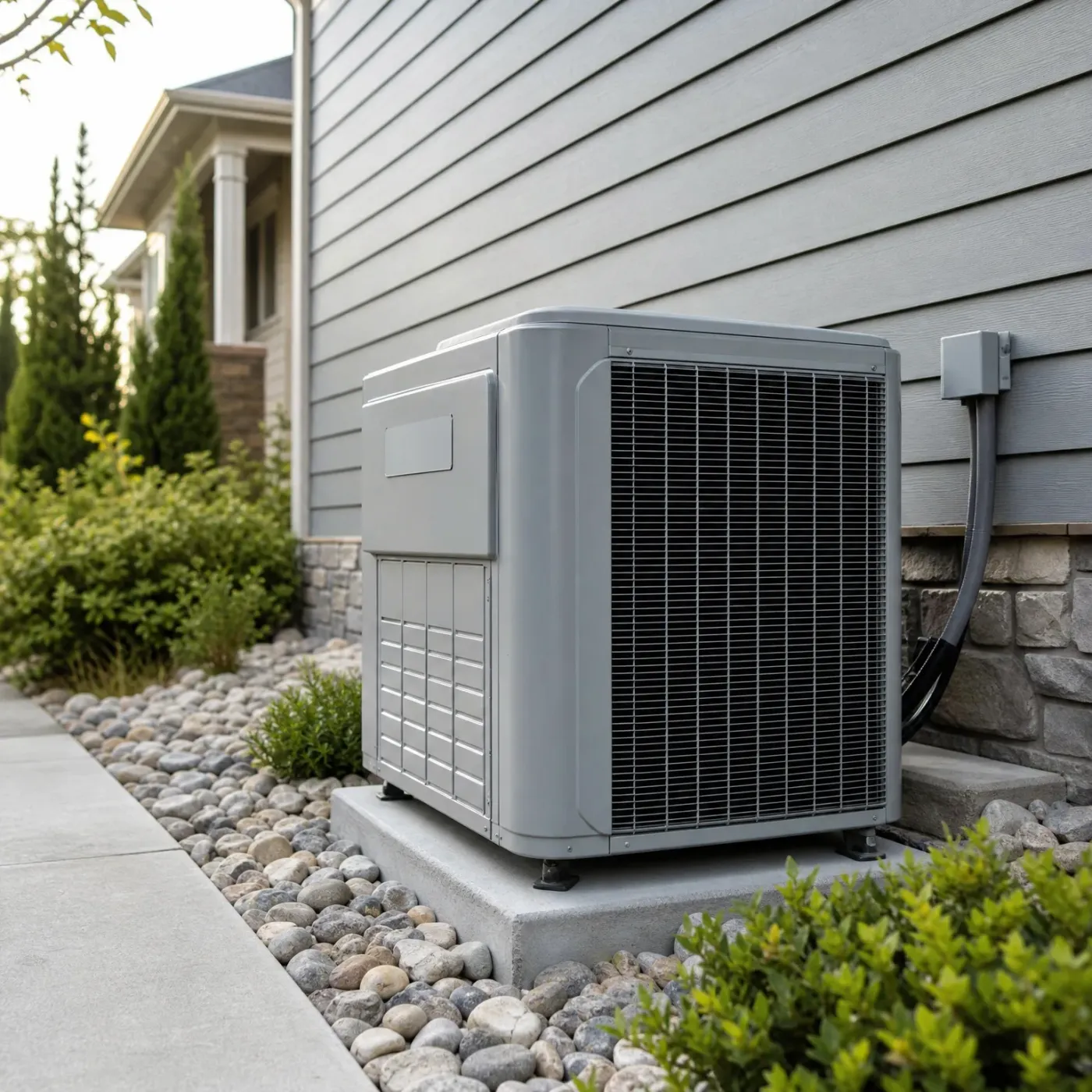
The right pro for this job
Your request goes to one pro, not a list of companies.
Tell a local repair pro what your heat pump is doing.
There's no charge for the request.
Short Cycling vs. Normal Cycling
Short Cycling
- The unit shuts off within a few minutes, then kicks back on again shortly after, over and over through the day.
- Rooms end up uneven, because the system never runs long enough to push air through the whole house.
- The outdoor unit and indoor air handler both wear faster, since the compressor takes the most strain at startup.
- Your electric bill climbs even though the heat pump never seems to catch up to the thermostat setting.
- A frozen outdoor coil or a stuck flame sensor on the backup heat strip can trigger this pattern in cold weather.
- Filters clog fast when a system short cycles, because airflow restrictions that would be minor on a normal run get hit over and over.
Normal Cycling
- The heat pump runs for a stretch of 10 to 20 minutes, then rests for a while before the thermostat calls for it again.
- Air comes out of the vents warm and steady for the whole run, not in short bursts.
- Rooms stay even because the system has time to move enough air to reach every register.
- The compressor starts less often, which is the part of the unit most expensive to replace.
- A thermostat set a few degrees warmer than usual, like during a cold snap, naturally extends run time without causing harm.
- Electric use tracks with the outdoor temperature instead of spiking for no clear reason.
A Pennsylvania summer holds a dew point around 61°F, per NOAA averages for June through July through August. That's heavy, sticky air for a heat pump to wring moisture out of. A system that's already short cycling doesn't get the runtime it needs to pull that humidity down, so the air comes out cooled but still damp. You'll notice it as a house that feels clammy even with the thermostat satisfied, floors that feel sticky underfoot, and a unit that seems to run constantly without the air ever feeling dry. The short cycling isn't just a comfort issue at that point. It's working against the one job summer here asks it to do.
NASA POWER T2MDEW county cells weighted by homes
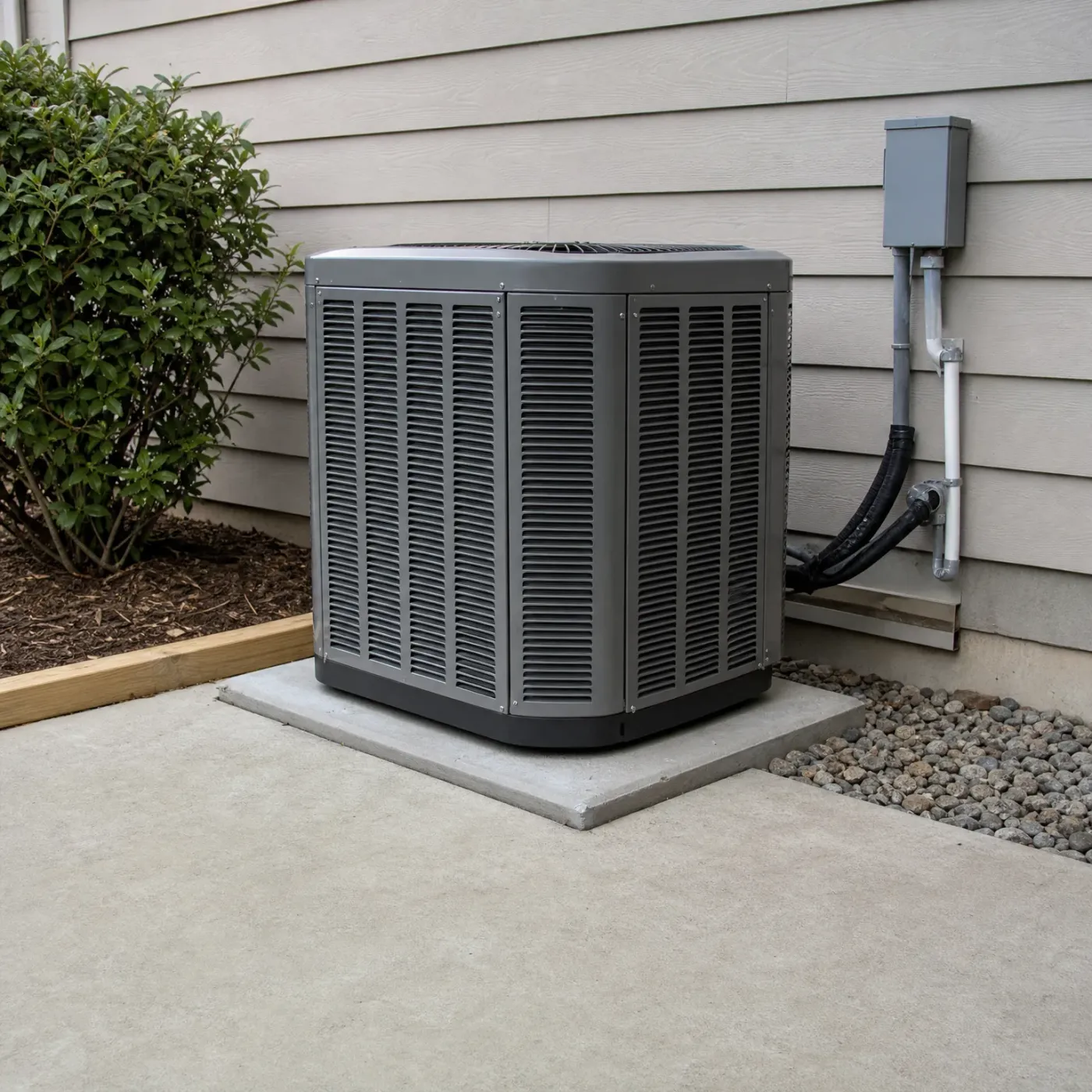
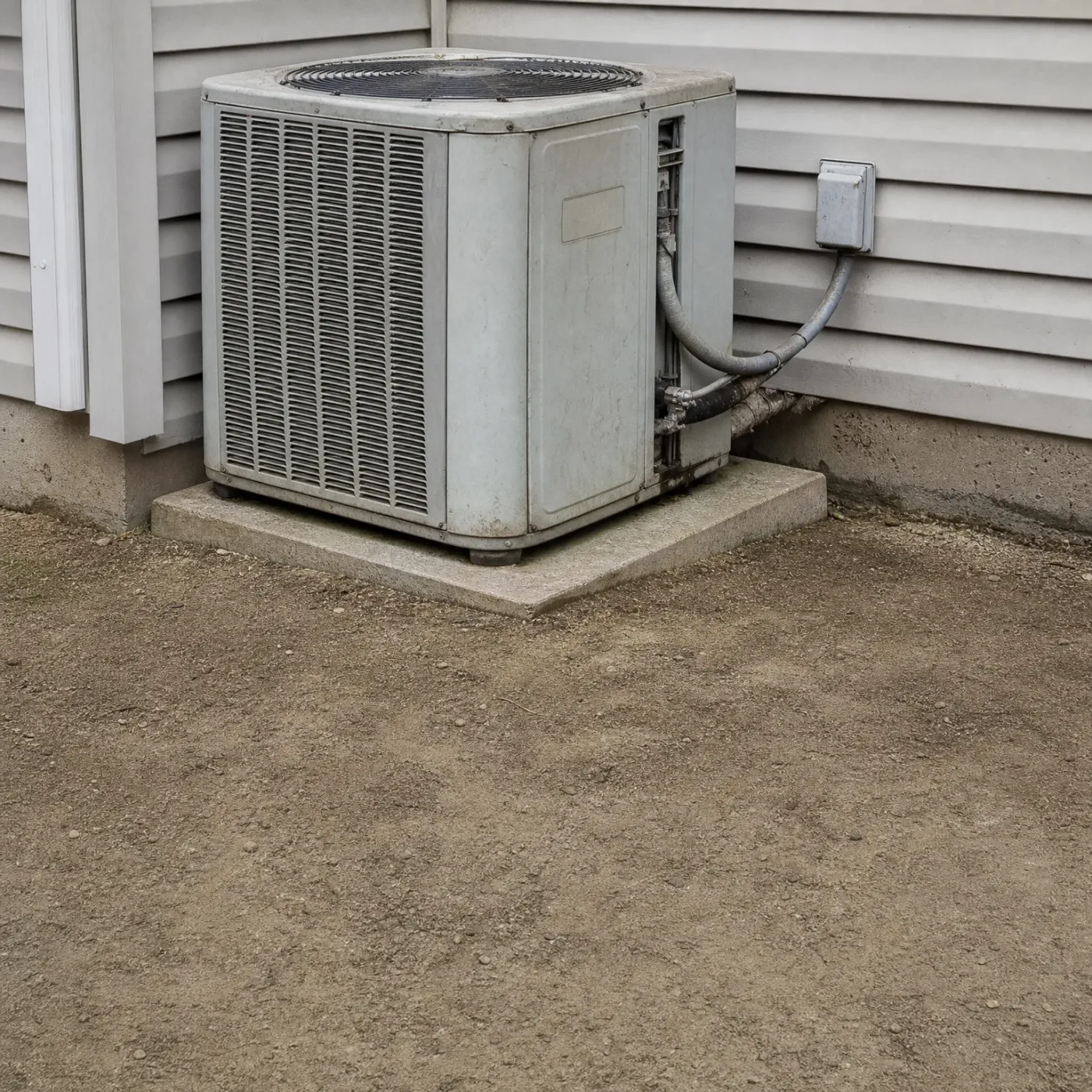



Short cycling doesn't fix itself
A heat pump that keeps shutting off early will keep doing it until something inside gets fixed or replaced. It won't hold a room at temperature, and with power costs what they are here, that start-stop pattern adds up on the bill whether it's the thermostat, the refrigerant charge, or a part wearing out. Winter here will keep pushing the unit to work, and every short cycle is a run it didn't finish.
A licensed contractor near you who works on heat pumps all year, through Pennsylvania winters and sticky summers alike, has likely seen this exact pattern before and knows where to look first. Asking for help here connects you with one contractor local to you, matched to what your system is doing, so you're not explaining your situation to five different companies. Someone who already knows this equipment reaches out to you directly, so you can get back to a house that holds its temperature without the unit fighting itself every few minutes.

Matched to your heat pump job
The pro who reaches out is licensed in Pennsylvania.