

Sounds that match normal defrost
A clean outdoor unit with clear coil fins moves air the way it should. You might hear the hiss and gurgle of a defrost cycle, maybe a whoosh as it switches back to heating. Nothing grinding, nothing loose.
Say what's going on with your heat pump, and a pro who works on them reaches out.
Find my proThat noise is likely your heat pump defrosting itself. Pennsylvania winters put frost on the outdoor coil, and the system has to run a cycle in reverse every so often to melt it off, which can sound like hissing, gurgling, or even a brief whoosh of what seems like steam. A clicking or humming at startup is usually just the reversing valve switching directions. These sounds are normal on a cold night and not a sign anything is wrong. What is worth paying attention to is a new sound that keeps repeating, or one paired with the unit running constantly without blowing warm air. That can mean the defrost cycle isn't ending when it should, or the coil is icing up faster than the system can clear it. Left alone, that makes the unit work harder in the cold than it needs to, and pushes your electric bill up without actually heating your house any better.




Clunking or cracking is a different sound than the hiss and gurgle of a normal defrost cycle, and it's the one that makes people wonder if something inside the unit has come loose or broken. In a Pennsylvania winter, with the outdoor unit working hard through cold snaps, it's worth knowing which sounds mean the system is just doing its job and which mean a part needs a look.
A cracking sound often comes from ice breaking loose on the outdoor coil as the defrost cycle finishes and the fan kicks back on, knocking chunks of ice against the housing. That's normal on a cold Pennsylvania day. A loud clunk at the start or end of defrost is more often the reversing valve switching the refrigerant flow, which can bang against its housing as it shifts. If the clunking happens every cycle, gets louder, or the outdoor fan sounds like it's grinding or straining, that points to a worn part rather than ice, and it's worth having a contractor check it before a cold stretch leaves you without heat.
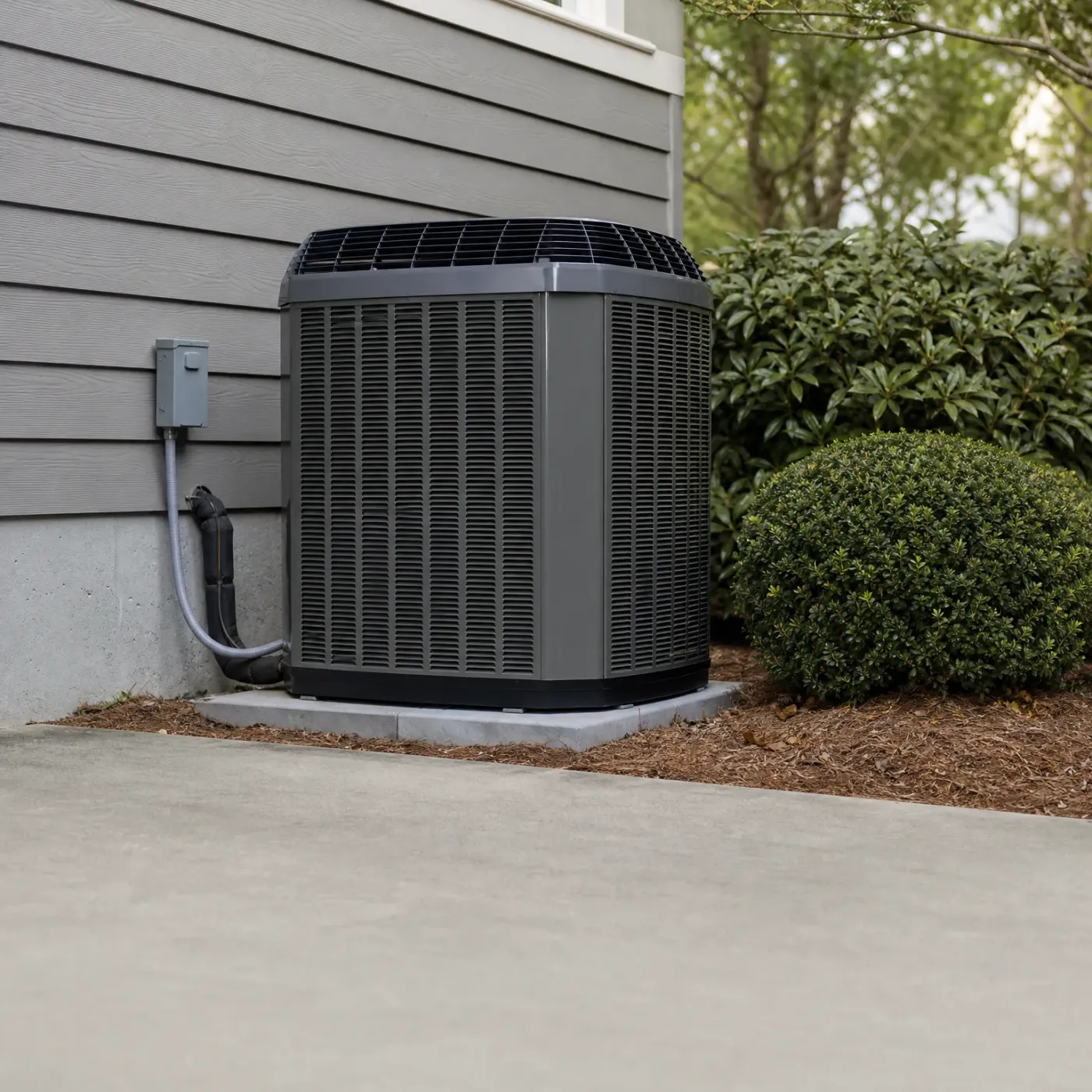
A clean outdoor unit with clear coil fins moves air the way it should. You might hear the hiss and gurgle of a defrost cycle, maybe a whoosh as it switches back to heating. Nothing grinding, nothing loose.
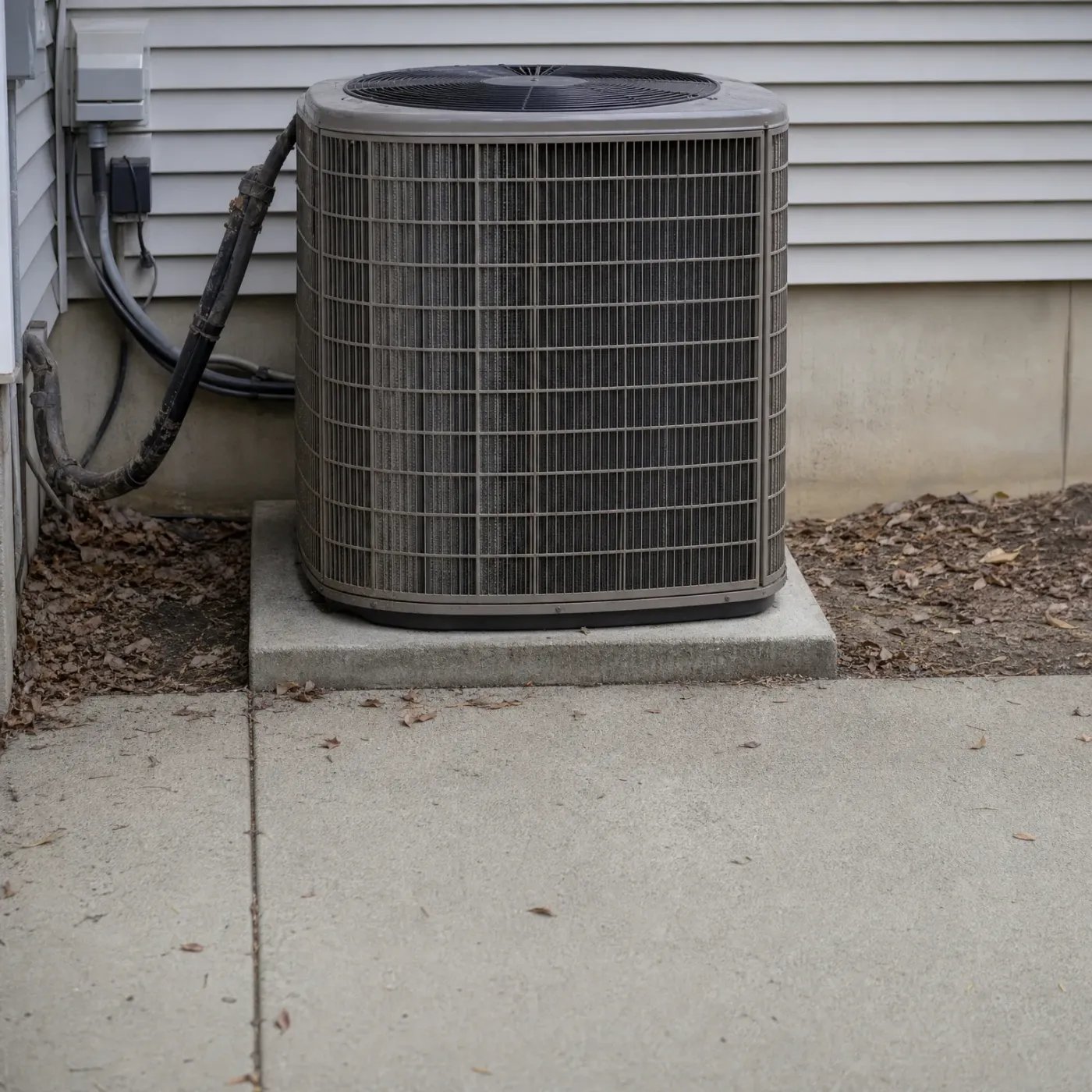
Dirt packed into the coil fins and leaves piled against the base make the unit work harder to move air. That strain can turn an ordinary defrost into banging or cracking, and it's worth having a contractor look at before a part gives out.
Go out and look at the unit. If it's buried in snow or packed with ice on the sides, that's worth clearing, because the coil needs open air to pull heat from. If you see ice that isn't melting off during the day, or hear the clunking instead of the hiss and gurgle, that's not something to wait out through the rest of winter. A heat pump running iced over or straining against a stuck part loses efficiency fast, and on Pennsylvania power rates that shows up on the bill before it shows up as a breakdown. Left alone, the strain tends to land on the compressor, which is the expensive part to replace.
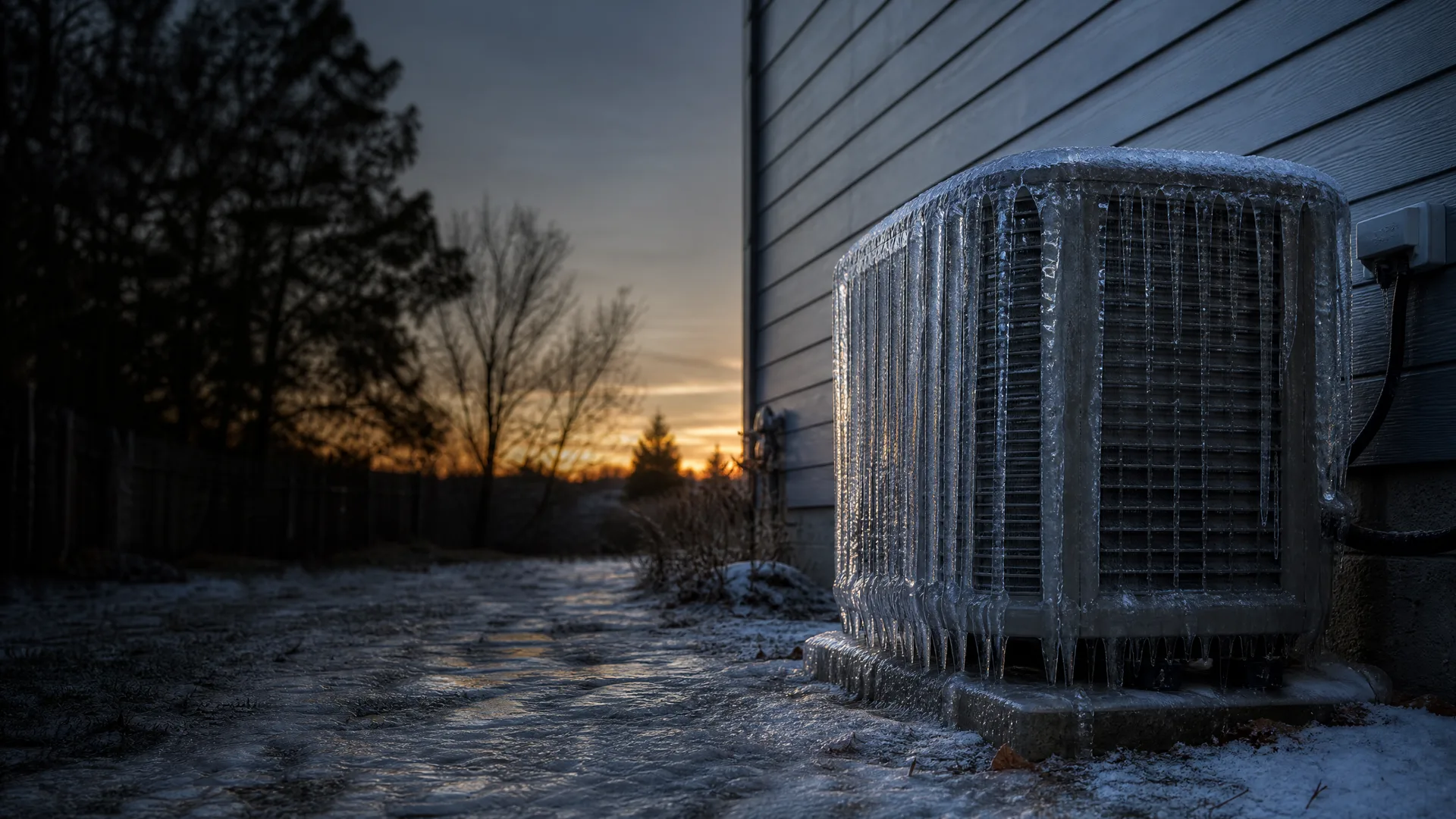
You go out before work, still dark, and the outdoor unit is sitting there wrapped in ice, thick on the sides, down around the base where it met the frozen ground. Not the thin white coating that melts off in a defrost cycle. A solid shell. The fan is quiet. No hiss, no gurgle, nothing switching back and forth. Just ice and cold air sitting in the side yard while the house behind you is getting colder by the hour. You crouch down to look at the coil and can't see fins through it, only ice. You go back inside, already thinking about who you can get out here to look at this before the day gets away from you, and you fill out the form standing in the kitchen in your coat.
A heat pump running all winter in Pennsylvania works harder than one in a place with mild winters, and that work shows up as noise sooner or later. Gas furnace owners never hear any of this, which is part of why a clunk or a grinding sound catches you off guard the first time. Electric heat isn't cheap here, so a heat pump that's straining, icing wrong, or cycling more than it should is also a heat pump costing you more to run. Figuring out whether what you're hearing is the unit defrosting normally or a motor bearing giving out takes someone who's heard both. You don't have to be the one who decides that standing in the cold at six in the morning. Send the request and let a contractor who knows these units sort out what it is and what, if anything, needs fixing before it gets worse.
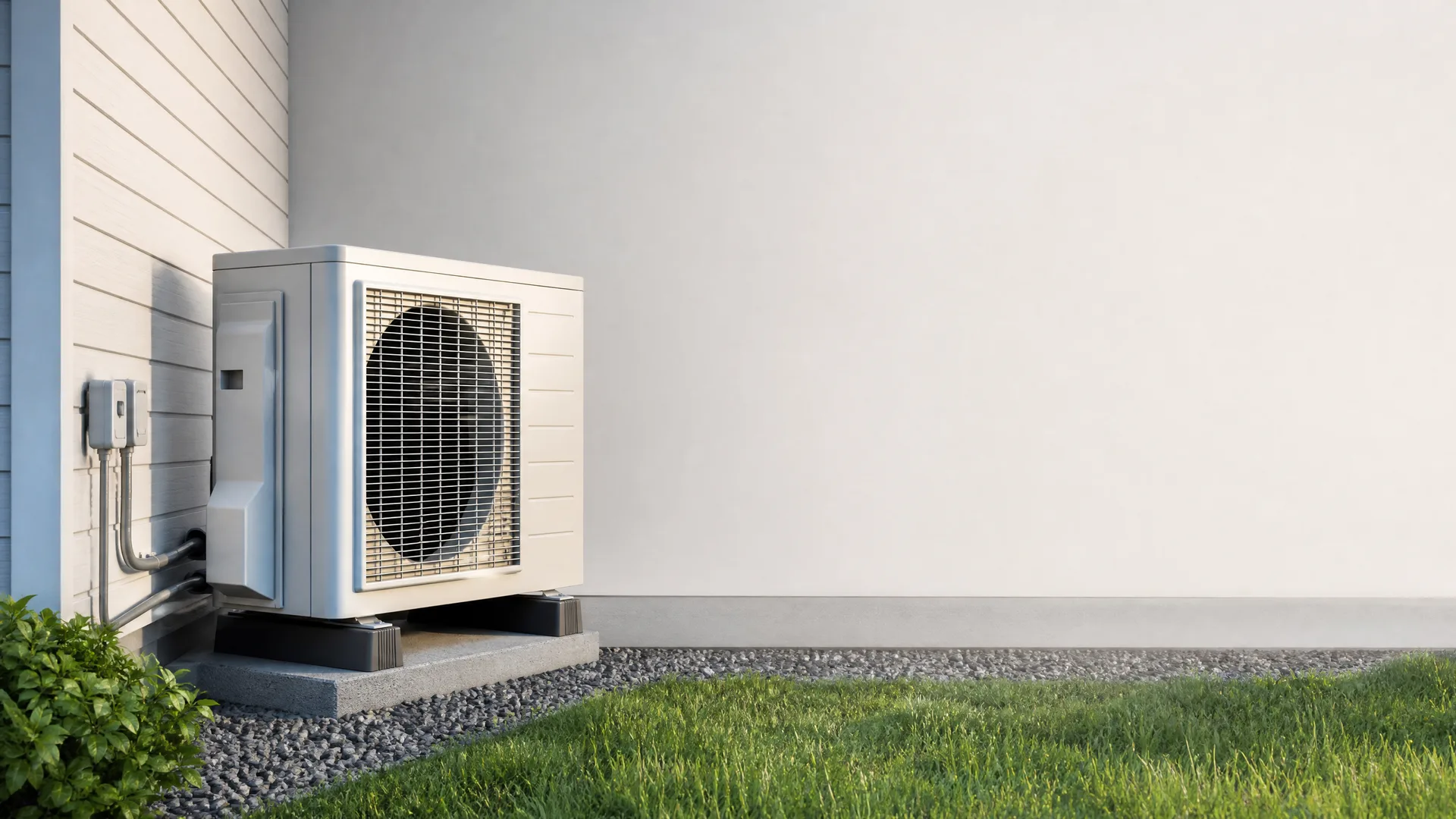
Every defrost cycle starts with a reversing valve switching the flow of refrigerant so the outdoor coil gets hot instead of the indoor coil. That valve is a metal body with a sliding core inside it, and when the core shifts, you can hear it, a clunk or a thunk right as the cycle changes. It happens on every heat pump, not just older ones. The sound carries more in cold air, which is why it seems louder in January than it did in October.
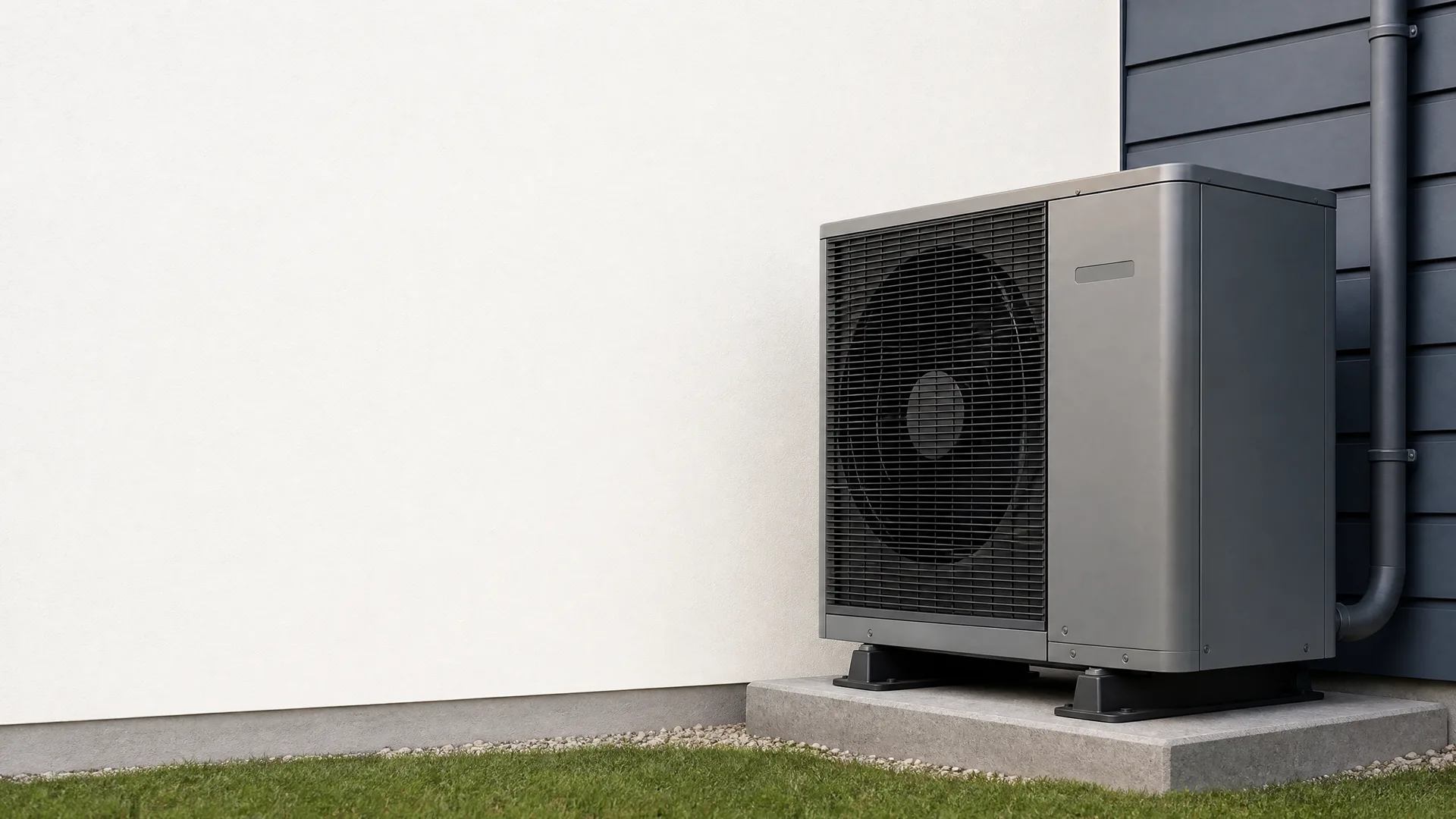
A heat pump pulls heat out of outdoor air even when that air is near or below freezing, and the moisture in it lands on the coil as frost. Below about 40 degrees, frost builds fast enough that the system may run a defrost cycle every 30 to 90 minutes during a cold stretch. Each cycle means the reversing valve switches twice, once in and once back. That's a lot of switching over a Pennsylvania winter, and a lot of chances to hear it.
At 19.29 cents per kilowatt-hour, every extra cycle your heat pump runs costs you something you can see on the bill. A unit fighting ice or a stuck valve draws more power to do the same job, so a noise you let go on all winter is money leaving with it.
EIA-861 2025 statewide residential average
A heat pump in Pennsylvania is going to make noise in winter. That much is normal. The question was never whether it makes sound, it's which sound, because the defrost cycle that clears frost off the outdoor coil has its own voice, hissing and gurgling, with a whoosh when it switches back. That's the system doing its job. Clunking, grinding, or ice that builds into a solid shell around the base instead of melting off each cycle is a different story, and it usually traces back to the reversing valve or the fan motor struggling to do what the defrost cycle needs from them. You can tell a lot just by going outside and looking. Snow piled against the unit or ice packed around the sides is yours to clear, and doing that before anything else is worth the five minutes. If the ice keeps coming back no matter how often you clear it, or if the sound underneath it is grinding instead of hissing, the defrost cycle isn't finishing what it started. That matters beyond the noise. At 19.29 cents per kilowatt-hour, a unit fighting ice or stuck on a bad valve is pulling more power to produce the same heat, and that difference shows up on the bill whether or not you ever go check on it. The sound you're hearing right now, tonight, already tells you which of these you're dealing with.


Matched to your heat pump job
After you send the request, you're done searching.
