





Why your heat pump runs nonstop in a Pennsylvania winter

Describe your heat pump job, and a local pro who handles it gets in touch.

Get a heat pump pro

Why does my heat pump run nonstop in cold weather?

You've noticed the outdoor unit never shuts off once temperatures drop, and the system seems to run around the clock without the house ever feeling fully warm. You're not sure if that's normal or a sign something needs attention before it turns into a bigger repair.

It's likely running long cycles to keep up, which is normal until it isn't

A heat pump pulls heat from outside air, and the colder it gets, the less heat there is to pull. Below about 35 to 40 degrees, the system has to run longer, sometimes nearly nonstop, just to hold the temperature you've set. On a hard Pennsylvania night in January, that alone can be normal. What's not normal is the house still feeling cool, or the unit running nonstop on a milder day in the 40s. That points to something else, low refrigerant, a failing defrost cycle, or a backup heat strip not kicking in when it should. Catching that early, before the compressor is working harder than it needs to, is usually a smaller repair than waiting until the system can't keep up at all.

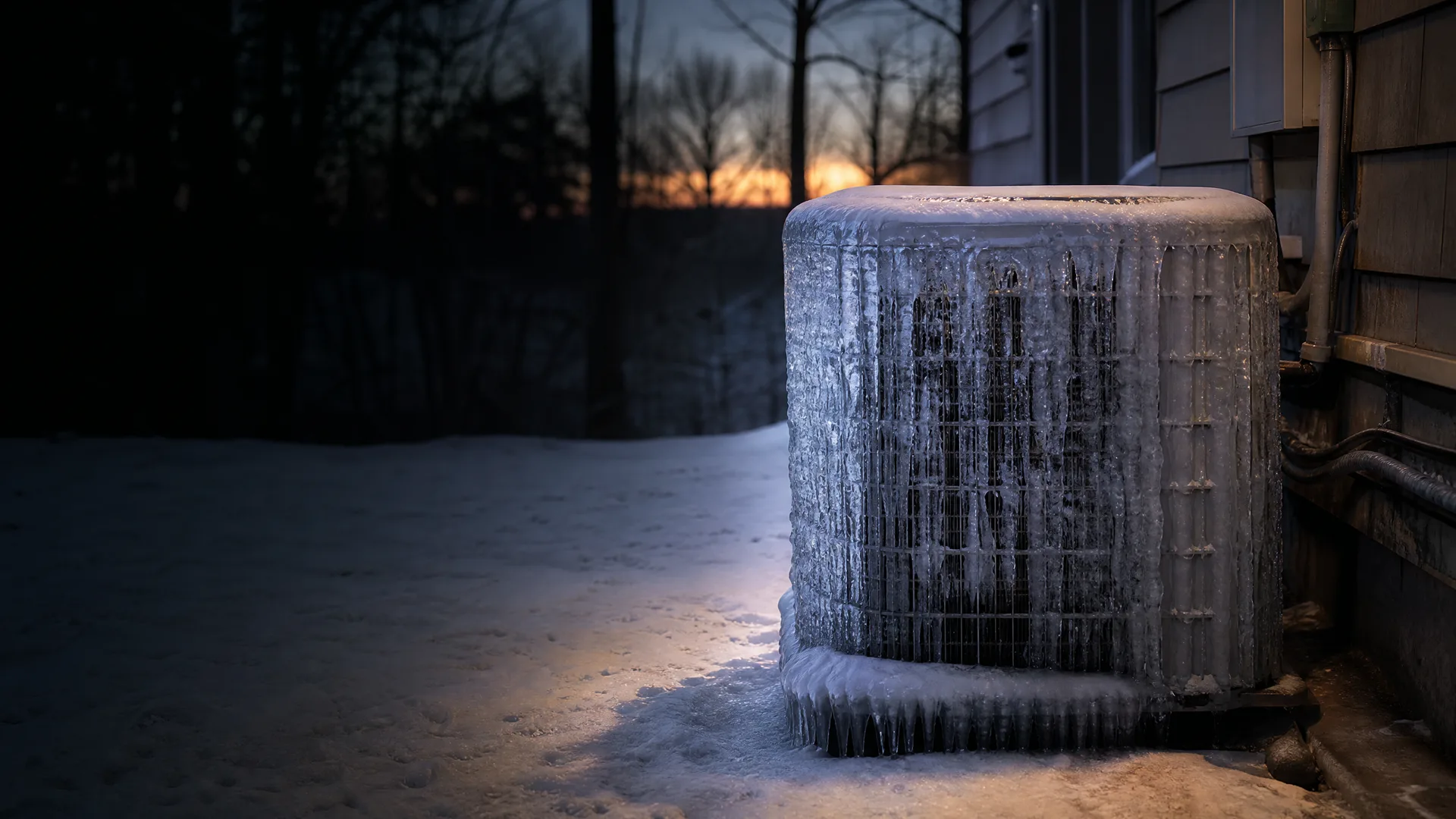
An outdoor condenser unit encased in thick ice stands on snow beside a house with horizontal siding and exterior pipes, with bare trees and a sunset glow in the background.

You go out for the paper a little after six and the sky is just starting to gray. The side yard is quiet, the grass stiff with frost. Your heat pump sits against the fence, and under the dawn light you can see it before you're close enough to touch it: ice packed thick over the coils, white and solid, climbing up past the vents. It's been running most of the night, you know that much from lying awake hearing it. No steam, no defrost cycle kicking in. Just the fan humming against a block of ice, pushing nothing into the house that would call itself heat.

Normal Strain or a Real Problem

Running nonstop is normal

  • Below about 35 degrees, a heat pump pulls less heat from the outside air per minute, so it has to run longer to keep up with the house.
  • A defrost cycle kicks in every so often to melt frost off the outdoor coil, which can make the unit look like it never stops.
  • If the house holds a steady temperature and the air coming out of the vents feels warm, long run times alone aren't a problem.
  • Some older heat pumps were sized for mild Pennsylvania days and were never meant to carry the house alone once it drops into the teens.
  • A heat pump paired with a gas furnace as backup should hand off to the furnace in the coldest stretches, so nonstop running past that point is worth a second look.

Running nonstop and losing ground

  • If the house keeps losing a degree or two no matter how long the system runs, something is keeping it from moving enough heat.
  • A low refrigerant charge makes the unit work constantly while delivering less warmth than it should.
  • Ice that builds up and doesn't clear after a defrost cycle points to a failed defrost control or a fan that isn't moving air across the coil.
  • A dirty filter or blocked return restricts airflow, so the system runs longer to push the same amount of heat through the house.
  • If the backup gas furnace never kicks in during a cold snap, the switchover controls may not be working.
A woman in a cream cowl-neck sweater sits by a window with snow outside, in a dimly lit living room with a sofa, lit lamp, mirror, candles and a fireplace.
A woman in a gray turtleneck sweater sits beside a large window looking out at snow-covered evergreen trees, in a dimly lit living room with a lit fireplace, lamps, couch and houseplant.
A woman in a cream turtleneck sweater stands beside a large window with snow-covered ground and bare trees outside, in a dimly lit living room with lamps, a sofa and framed art.
A woman in a grey cowl-neck sweater stands indoors near a window, looking out at falling snow, with a lamp, framed picture and couch in the warmly lit room behind her.

A heat pump pro near you

Describe what your heat pump is doing once, in one form.

Sending the form costs nothing.

Why it struggles below freezing

A heat pump moves heat from the outside air into your house. As the air outside gets colder, there's less heat in it to pull, so the system has to move more air across the coil to collect the same amount of warmth. That's why it runs longer stretches once Pennsylvania temperatures drop into the 20s and teens. The compressor isn't broken by running this way. It's doing more work for less return, which is exactly what a colder night demands of it.

When gas backup should kick in

Plenty of Pennsylvania homes pair a heat pump with a gas furnace for the coldest stretches, since gas heats here are common and the heat pump alone can fall behind once it's cold enough. If your system is set up this way, there should be a point where the furnace takes over, or at least helps out, instead of leaving the heat pump to run on its own all night. If you're not sure your setup has backup heat, or it's not switching over, that's worth having a contractor check.

Power costs 19.29 cents per kilowatt-hour statewide

At 19.29 cents per kilowatt-hour, every extra hour your heat pump runs below freezing shows up on the bill fast. A unit that's low on refrigerant or struggling to defrost properly has to run even longer to keep the house warm, so a small problem costs you more every single day it goes unfixed.

EIA-861 2025 statewide residential average

A heat pump that runs long on a cold Pennsylvania morning is doing its job. One that runs long and still leaves the house cool, or that ices over and doesn't clear itself, is telling you something is off, maybe low refrigerant, a defrost control that isn't switching, or a coil that can't shed frost the way it should. You already know the type of problem worth catching before it turns into a bigger repair or a January breakdown. Tracking that down yourself means finding a contractor who works on heat pumps, calling a few, explaining the icing and the runtime each time you call, then sitting with quotes trying to tell them apart. Matching with a contractor who already handles this equipment skips that part. You describe it once, and the call back is from someone ready to look at your system, not someone hearing about it for the first time. The running itself isn't the problem. Whether it's running for a normal reason or a broken one is what's worth knowing before the cold sets in harder.

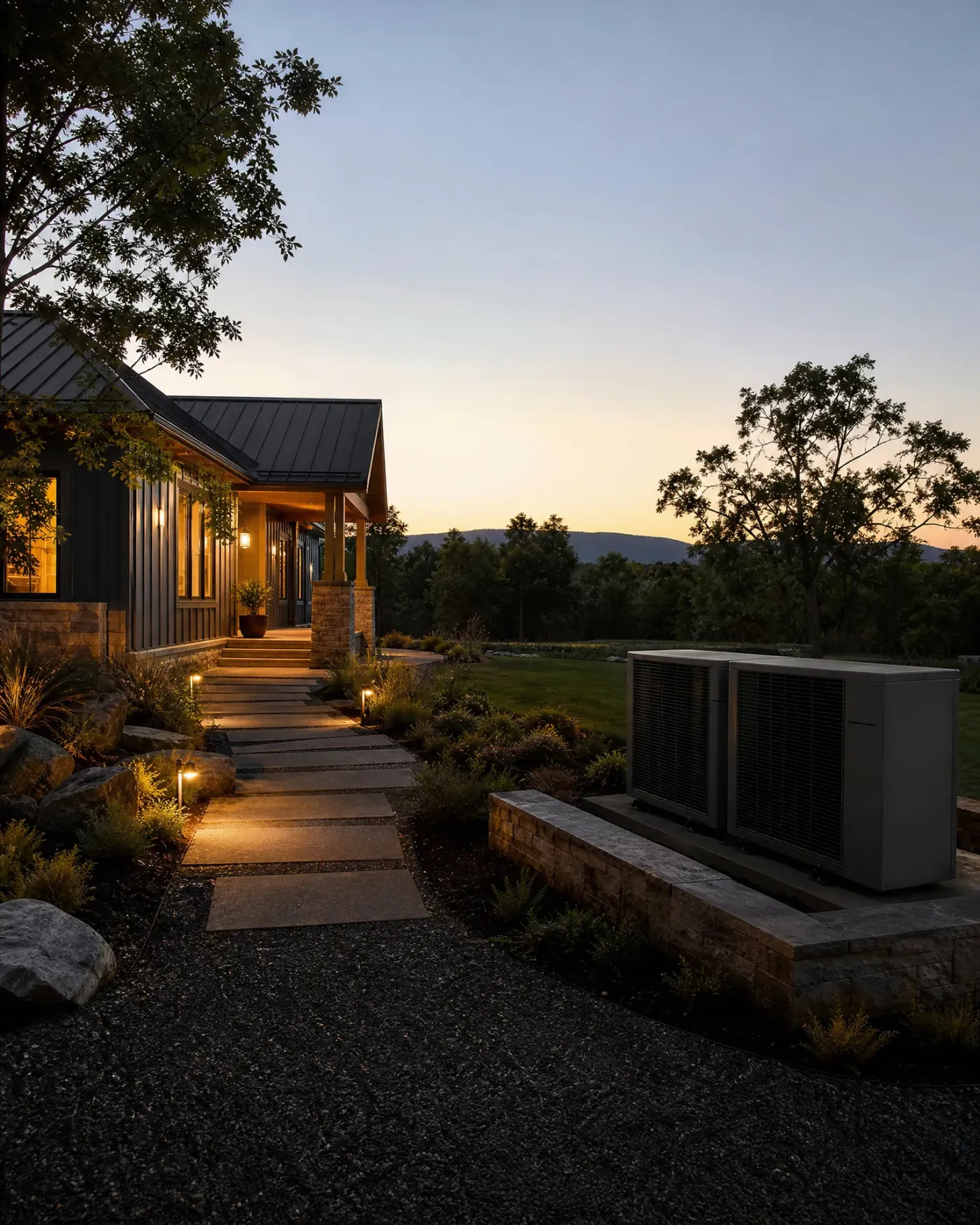
At dusk, a dark board-and-batten house with a standing-seam metal roof and lit entry walkway of stone pavers, with two large outdoor heat pump units on a stone-walled pad at right and trees and hills in the background.

Heat Pump Repair

A local pro for your heat pump repair

Step 1 of 3: Equipment
  • A ceramic vase holding leafy green branches and a shallow wooden bowl sit on a wooden window ledge beside a sunlit window, with a cream upholstered chair and knit throw in the foreground.
    • Tell a local repair pro what your heat pump is doing.
  • Sunlit living room corner with a beige upholstered sofa, a round wooden side table holding a ceramic vase of olive branches, linen curtains at a window, a floor vent in the baseboard, and a woven jute rug on hardwood flooring.
    • Send the request today and let a heat pump pro reach out to you.
    • Get the heat pump repair search off your mind today.
  • A wooden side table with a single drawer holds a shallow carved wood bowl and a white ceramic vase of green eucalyptus stems, beside a window and an upholstered chair draped with a cream knit throw.
    • Describe your heat pump job once, to one pro.
    • Fill out one short form instead of calling around.
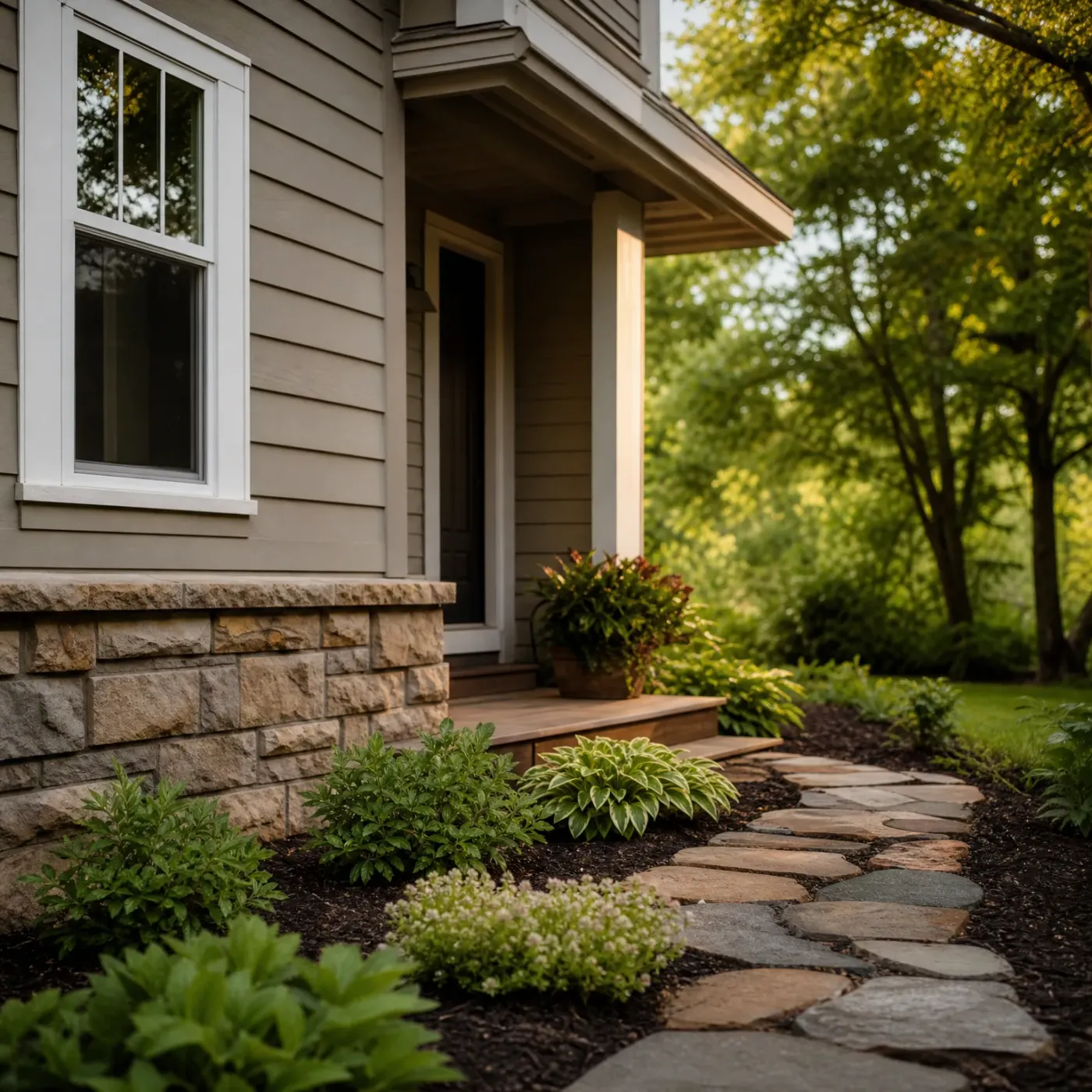
  • Corner of a house with horizontal siding, a white-framed window and stone veneer base, beside a covered entry with wooden steps, a potted plant, mulched beds of green shrubs and a flagstone path.
    • Only one pro gets your request, so you hear from one company.
    • Your request stays with one local pro.