Tell us about the job
Takes about a minute. No obligation.
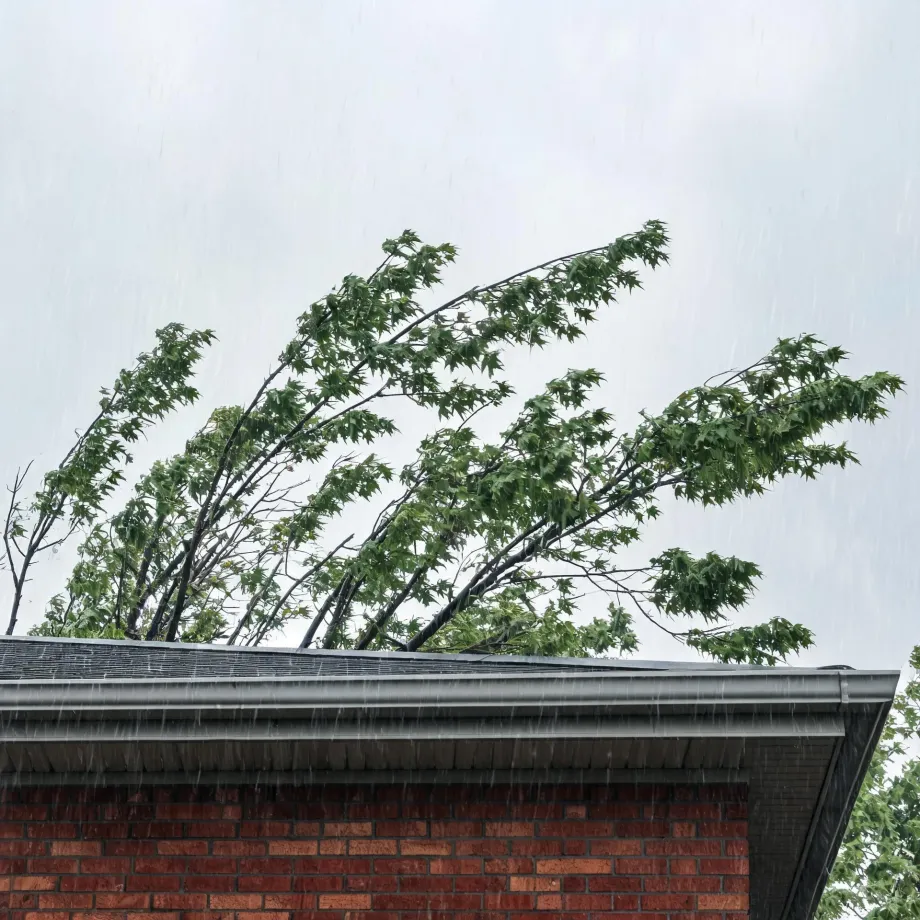
A contractor quoting a heat pump installation in Union County is not sizing against a relentless outdoor load. 61 severe weather events were recorded in Union County, Pennsylvania between 2015 and 2024. At that rate, severe weather is an event here rather than a steady operating condition, which means the decisions that determine how well an installed system performs are about the house itself: how it is built, how leaky it runs, and whether the equipment is matched to what the structure actually demands on an ordinary day.
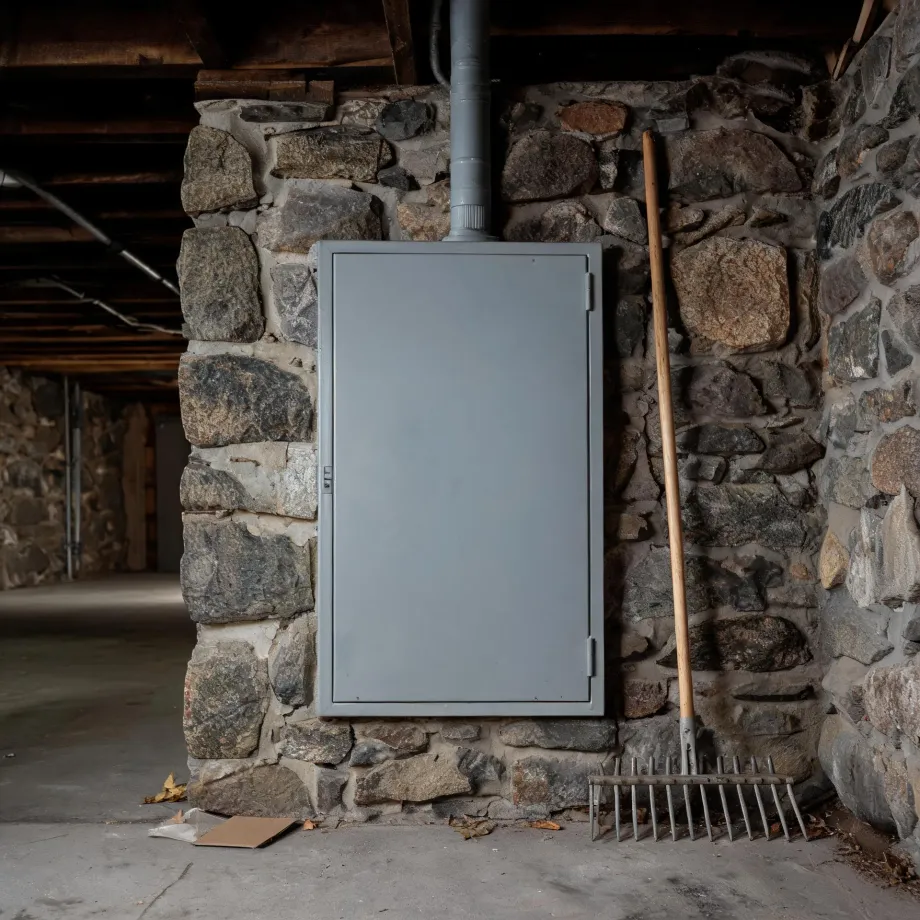
Existing ductwork in a house this old was laid out for a different kind of system, and a heat pump moves air at lower temperatures and higher volumes than what those runs were designed for. Half the homes in Union County, Pennsylvania were built in 1974 or earlier (2020-2024 ACS 5-year). A contractor here checks whether the ducts can carry that air volume before anything else gets priced, because undersized or leaking runs undercut the efficiency of whatever equipment goes in. The electrical panel gets the same look: older service was not planned around the draw a heat pump puts on it. Both questions get answered at the house, not from a spec sheet.
What Gets Installed With a New Heat Pump
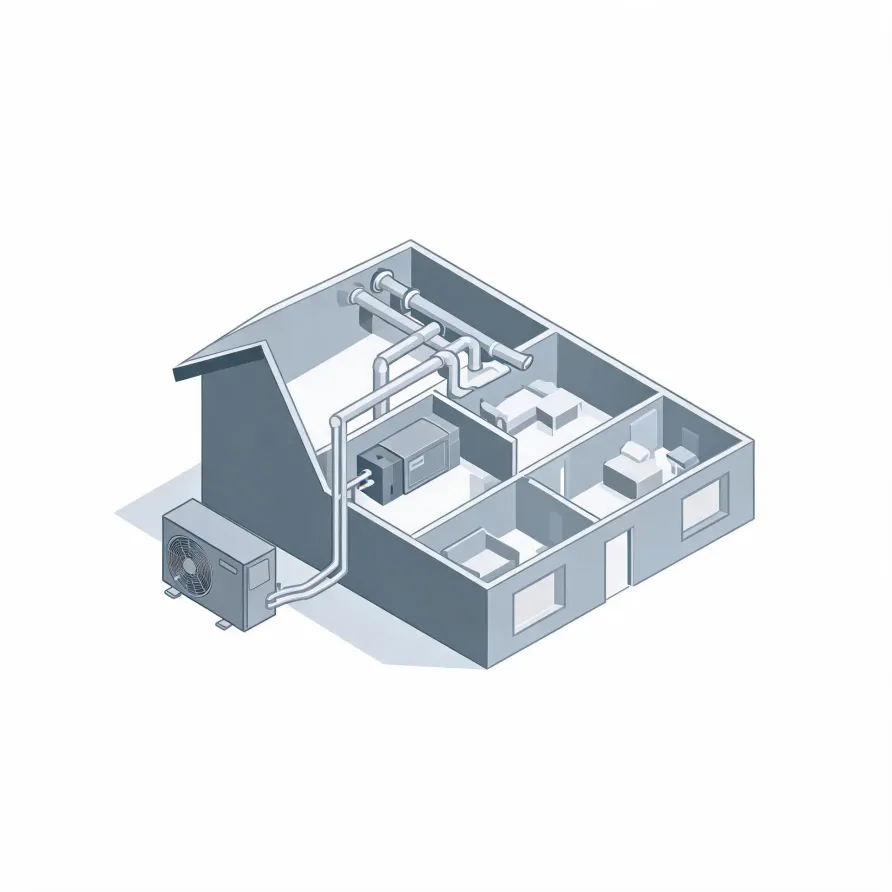
The outdoor unit is the piece most homeowners see first. It sits outside the house on a pad or wall bracket and holds the compressor and the condenser coil, which are the components that move heat between the refrigerant and the outside air. Inside the house, the air handler mounts in a utility space, closet, or attic and circulates conditioned air through the home.
A refrigerant line set runs between the two units, carrying refrigerant through insulated copper tubing that passes through the wall. The thermostat goes on an interior wall and gives the homeowner control over the system. Some installations also include a supplemental electric resistance element inside the air handler to cover heating demand on the coldest days.
The drawing shows a typical layout, and a licensed contractor determines exactly what applies to your house.
Find a contractor in Union CountyUnion County, Pennsylvania, by the numbers
61 severe weather events were recorded in Union County, Pennsylvania between 2015 and 2024.
NOAA National Centers for Environmental Information, Storm Events Database, bulk CSV export, events 2015-01-01 through 2024-12-31.Half the homes in Union County, Pennsylvania were built in 1974 or earlier (2020-2024 ACS 5-year).
U.S. Census Bureau, 2020-2024 American Community Survey 5-Year EstimatesUnion County, Pennsylvania holds 16,205 housing units (2020-2024 ACS 5-year).
U.S. Census Bureau, 2020-2024 American Community Survey 5-Year EstimatesOwners occupy 72.3% of the occupied homes in Union County, Pennsylvania (2020-2024 ACS 5-year).
U.S. Census Bureau, 2020-2024 American Community Survey 5-Year EstimatesRules and Standards Behind Heat Pump Installation in Union County, Pennsylvania3 sourced rules and standards
Licensing Rules for Union County, Pennsylvania
Pennsylvania names the trade in its own definition: installing central heating or air conditioning is a home improvement under the Act, whether or not the equipment is affixed — so an HVAC installation is work the registration requirement reaches.
A Pennsylvania registration displaces the local one: no political subdivision may require a home improvement contractor to register, license or pay a fee on top of it, though building permits and local code enforcement still apply.
Pennsylvania requires home improvement contractor registration rather than a licence: nobody may hold themselves out as a contractor, or perform any home improvement, without first registering with the Bureau of Consumer Protection.
Severe Weather Events in Union County
Heating and cooling equipment in Union County works against whatever the local climate throws at it, and that workload shapes how a system should be sized and specified. A heat pump chosen and installed for this area has to hold up under real local conditions, which is why weather history belongs on a page about installation.
61 severe weather events, 2015–2024. Source: NOAA National Centers for Environmental Information, Storm Events Database.